How to exercise during pregnancy safely: Evidence-based guidance for staying active
Exercise during pregnancy is safe for most people with uncomplicated pregnancies and can support physical health, mood, mobility, and recovery after birth. Current guidance generally recommends moderate activity, while emphasizing individualized advice for anyone with medical or pregnancy-related complications. 1
How much exercise is appropriate
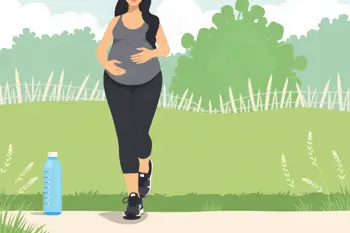
Most healthy pregnant people should aim for at least 150 minutes of moderate-intensity aerobic activity each week. The total can be distributed across several days, such as 30 minutes on five days, or divided into shorter sessions of about 10 minutes when longer workouts are difficult. People who were inactive before pregnancy can begin gradually and build toward this level. 2
Moderate intensity means breathing and heart rate increase, but conversation remains possible. The talk test is more useful than a universal heart-rate ceiling: a person should generally be able to talk normally but not sing comfortably. This approach accommodates differences in fitness, age, pregnancy stage, temperature, and activity type. 6
Suitable activities during pregnancy
Walking, swimming, stationary cycling, low-impact aerobics, and pregnancy-modified strength training are commonly identified as suitable options when medically appropriate. Swimming can reduce the feeling of body weight, while stationary cycling avoids the balance demands associated with riding outdoors. The appropriate choice depends on symptoms, previous experience, fitness level, and advice from an obstetric clinician or midwife. 1
Strength training can remain part of a pregnancy routine, but controlled movements and steady breathing are important. Loads, range of motion, and exercise positions may need adjustment as the abdomen grows. Pelvic-floor exercises are also commonly included in pregnancy activity guidance. Exercise should feel manageable rather than competitive, and unfamiliar routines should be introduced progressively. 5
Safety adjustments as pregnancy progresses
Pregnancy changes balance, posture, joint comfort, energy, and tolerance for heat. A previously familiar workout may therefore require slower movement, lower impact, longer rest periods, or a different position. Hydration and gradual progression are repeatedly emphasized in patient guidance, particularly for people beginning activity after a period of inactivity. 7
After the first trimester, prolonged exercise while lying flat on the back should generally be avoided because that position may reduce blood flow and cause lightheadedness. Side-lying, seated, standing, inclined, or hands-and-knees modifications can be considered when appropriate. A clinician or qualified prenatal exercise professional can help adapt exercises to changing comfort and medical needs. 5
Activities and conditions requiring caution
Activities with a substantial risk of falling, abdominal impact, or collision should be avoided or specifically reviewed with a healthcare professional. Examples include contact sports, horseback riding, downhill skiing, and similar activities. Outdoor cycling may also present fall and traffic hazards that are not present with stationary cycling. The central concern is not exertion alone, but the potential for trauma or loss of balance. 5
Exercise may require restriction or individualized planning when pregnancy complications or certain health conditions are present. Examples identified in clinical guidance include vaginal bleeding, leaking amniotic fluid, preterm labor, uterine contractions, decreased fetal activity, cervical problems, heart disease, high blood pressure, significant shortness of breath, dizziness, or an unusually rapid heart rate. 1
Potential benefits and limits of the evidence
Regular activity can reduce discomfort and support management of some prenatal conditions. Research and clinical reporting associate exercise with lower risks of gestational diabetes, high blood pressure or preeclampsia, and postpartum depression. Other reported outcomes include healthier weight gain, a lower likelihood of cesarean delivery in some groups, and improved recovery after birth. These are associations and do not guarantee a particular outcome. 3
A 2025 review concluded that moderate exercise generally benefits mothers and babies in uncomplicated pregnancies without reported harm to maternal or fetal health. The review also noted that studies vary in exercise type, duration, and outcome measurement, making comparisons difficult. Evidence about higher-intensity exercise continues to develop, so findings involving athletes or highly active people should not automatically be applied to every pregnancy. 8
Warning signs and medical guidance
Exercise should stop and medical advice should be sought for warning signs such as vaginal bleeding, fluid leakage, regular painful contractions, chest pain, severe shortness of breath, dizziness, headache, or calf pain or swelling. These symptoms can have causes unrelated to exercise, but they warrant professional assessment rather than being treated as ordinary workout discomfort. 8
A healthcare provider should be consulted before starting or continuing a program when there is a history of preterm delivery, anemia, heart or lung disease, high blood pressure, ongoing bleeding, placenta-related complications, or other pregnancy concerns. The provider can determine whether activity is appropriate, identify intensity limits, and recommend modifications based on trimester, symptoms, and pregnancy status. 2
Sources
- Johns Hopkins Medicine, Exercise During Pregnancy: https://www.hopkinsmedicine.org/health/wellness-and-prevention/exercise-during-pregnancy
- MotherToBaby, Exercise: https://mothertobaby.org/fact-sheets/exercise-pregnancy/
- Cedars-Sinai, Why Should You Exercise During Pregnancy?: https://www.cedars-sinai.org/stories-and-insights/healthy-living/exercise-during-pregnancy
- BMC Pregnancy and Childbirth, Effects of exercise during pregnancy on maternal and newborn outcomes: https://link.springer.com/article/10.1186/s12884-025-08285-6
- American College of Obstetricians and Gynecologists, Physical Activity and Exercise During Pregnancy and the Postpartum Period: https://www.acog.org/clinical/clinical-guidance/committee-opinion/articles/2020/04/physical-activity-and-exercise-during-pregnancy-and-the-postpartum-period
- NHS, Exercise in pregnancy: https://www.nhs.uk/pregnancy/keeping-well/exercise/
- MedlinePlus, Exercise during pregnancy: https://medlineplus.gov/ency/patientinstructions/000603.htm
- March of Dimes, Exercise during pregnancy: https://www.marchofdimes.org/find-support/topics/pregnancy/exercise-during-pregnancy
Authored by 24Trendz team