Effective ways to manage muscle tension naturally: Evidence-based guidance
Effective ways to manage muscle tension naturally include gentle stretching, massage, heat, hydration, breathing exercises, and regular movement. Muscle tightness may follow prolonged sitting, stress, repetitive activity, or strenuous exercise, and most uncomplicated cases can often be managed with conservative measures. 1
Understanding common causes of muscle tension
Muscle tightness is commonly associated with limited movement, prolonged sitting, stress, overuse, and vigorous physical activity. A person may notice stiffness in the neck and upper back after desk work, soreness after yard work, or cramping in the calves, feet, arms, or abdomen. Tightness can come and go and is usually not a serious concern when it is mild, short-lived, and not accompanied by other symptoms. 1
The nervous system can also contribute to tension. Stress may increase physiological arousal and encourage sustained muscle contraction, while poor posture and repetitive movement can keep particular muscle groups under repeated load. Regular changes in position, relaxed breathing, and moderate activity address both the physical and stress-related factors that can maintain discomfort. 6
Gentle stretching and regular movement
Gentle, consistent stretching can improve flexibility and range of motion, which may help reduce the sensation of tightness over time. Stretches should be slow and controlled, without bouncing or forcing a joint beyond a comfortable range. Mild pulling is different from sharp pain, and a stretch should be stopped if symptoms worsen, spread, or produce numbness. 2 3
Frequent movement can be more useful than one intense stretching session, particularly when tension is related to inactivity. Short walking periods, posture changes, and gentle mobility exercises can interrupt long periods of sitting and support normal muscle function. Moderate regular physical activity is also recommended to reduce the effects associated with prolonged inactivity, although activity should be adjusted when a new injury is suspected. 11
Using heat, cold, massage, and mobility work
Heat may relax tight muscles and improve comfort by making the area feel less stiff. A warm bath, warm towel, or covered heat pack can be used as part of a relaxation routine, with care taken to avoid burns. Cold is generally more appropriate when a recent injury involves pain or swelling. The choice therefore depends on whether the main problem is ongoing stiffness or an acute irritated area. 4
Massage and self-massage may provide short-term relief for some types of muscle soreness and musculoskeletal discomfort, although results vary by condition. Gentle pressure, foam rolling, and controlled mobility work should not cause sharp pain or leave symptoms progressively worse. These methods are supportive measures rather than substitutes for assessment when tension is persistent, recurrent, or linked to weakness or neurological symptoms. 5 12
Breathing, mindfulness, yoga, and progressive relaxation
Slow, controlled breathing and mindfulness practices can reduce stress-related physical arousal, a response that may contribute to muscle tension. A simple approach is to breathe comfortably and emphasize a slower, longer exhalation while consciously lowering the shoulders and unclenching the jaw. These techniques are most relevant when tension increases during work pressure, anxiety, anger, or difficulty settling before sleep. 6
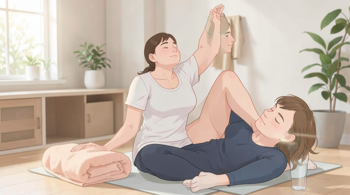
Progressive muscle relaxation uses a repeated sequence of gentle tensing and releasing. The person breathes in while tensing one area for a few seconds, breathes out while releasing it, and then moves through areas such as the hands, arms, legs, stomach, shoulders, neck, and face. Painful areas can be skipped. Yoga combines physical postures, breathing techniques, and meditation, making it another option for addressing both perceived tension and stress. 7 8
Hydration and food-based nutritional support
Hydration, adequate sleep, and balanced nutrition support normal muscle function, particularly during periods of exercise or heat exposure. Foods containing magnesium include leafy greens, seeds, nuts, and whole grains. Magnesium is involved in nerve and muscle function and influences the processes that control contraction and relaxation, but supplements have not been proven to relieve cramps for everyone. 9
Food-based approaches are generally more appropriate than treating supplements as automatic solutions. Magnesium supplements can cause gastrointestinal effects, including diarrhea, and may interact with medicines or be unsuitable for people with particular health conditions. Tart cherry juice has been studied for exercise-related muscle damage and soreness, while evidence for chamomile and other natural products remains limited. “Natural” does not mean risk-free, so clinical advice is appropriate before supplementation. 9 10
Safety limits and when to seek medical care
Natural management should remain within comfortable limits. Stretching, exercise, massage, or heat should be discontinued if sharp pain, numbness, worsening symptoms, or unusual weakness develops. A new injury with swelling may require a different approach from ordinary stiffness, and repeated cramps may have causes that cannot be addressed through relaxation techniques alone. 3 4
Medical evaluation is warranted when muscle pain or tightness is severe, persistent, recurrent, or accompanied by weakness, swelling, fever, numbness, dark urine, chest pain, or difficulty breathing. These features can indicate a problem requiring diagnosis rather than home care. A clinician can review exercise patterns, posture, medicines, hydration, nutrition, and other possible contributors before recommending treatment. 12
Practical comparison of natural approaches
| Approach | Most relevant use | Important limitation |
|---|---|---|
| Gentle stretching | Flexibility and ordinary stiffness | Do not bounce, force, or stretch through sharp pain |
| Heat | Ongoing tightness and comfort | Use cautiously to prevent burns |
| Cold | Some recent injuries with pain or swelling | Less suited to chronic stiffness |
| Massage | Short-term soreness or tension relief | Benefits vary by condition |
| Progressive relaxation | Stress-related physical tension | Skip painful body areas |
| Magnesium-rich foods | General nutritional support | Supplement evidence is mixed and side effects are possible |
The strongest practical strategy is usually a combination of regular movement, gentle stretching, appropriate heat or cold, relaxation breathing, sleep, hydration, and ergonomic adjustments. Tracking when tension occurs can help identify links with sitting, exercise, stress, or repetitive tasks. If symptoms continue despite these measures, the pattern itself is useful information for a healthcare professional. 1 11
Sources
- Hinge Health, “Muscle Tightness: Definition, Causes, and Treatment”
- Mayo Clinic, “Stretching”
- National Health Service, “How to stretch after exercising”
- MedlinePlus, “Heat and cold treatment”
- National Center for Complementary and Integrative Health, “Massage Therapy: What You Need to Know”
- American Psychological Association, “Stress effects on the body”
- NHS inform, “Progressive muscle relaxation”
- National Center for Complementary and Integrative Health, “Yoga”
- Verywell Health, “11 Natural Muscle Relaxers”
- Healthline, “The 7 Best Natural Muscle Relaxers”
- Centers for Disease Control and Prevention, “Adding Physical Activity”
- Cleveland Clinic, “Muscle Pain”
Authored by 24Trendz team