What you need to know about liver cancer symptoms: A clinical guide to warning signs and evaluation
Liver cancer symptoms may include abdominal pain, swelling, yellowing of the skin or eyes, easy bruising or bleeding, and unintentional weight loss, although many people have no clear symptoms in the early stages. The signs described below can also occur with hepatitis, cirrhosis, fatty liver disease, gallbladder problems, or other digestive conditions, so symptoms alone cannot establish a diagnosis. 1
Why early liver cancer can be difficult to recognize
Primary liver cancer begins in the liver, most commonly in cells called hepatocytes. The liver has substantial functional reserve, meaning a tumor may develop without producing obvious changes at first. Penn Medicine notes that early disease typically does not have clear-cut signs, while Yale Medicine lists abdominal pain, abdominal swelling, jaundice, easy bruising or bleeding, and unintended weight loss among symptoms that may appear as the condition progresses. 2 3
- Some people report no noticeable symptoms initially.
- Early symptoms may be mild, general, or mistaken for indigestion.
- Persistent or worsening changes warrant medical assessment, particularly when liver disease is already known.
Common abdominal and appetite-related symptoms
Symptoms often involve the upper abdomen, especially the area beneath the right ribs where the liver is located. Possible changes include sharp pain, tenderness, a general upset-stomach sensation, bloating, abdominal swelling, reduced appetite, nausea, vomiting, and feeling full after eating only a small amount. Unexplained weight loss is another important reported symptom, particularly when it occurs alongside appetite loss or continuing abdominal discomfort. 4 5
- Upper-right abdominal pain or pressure
- Abdominal fullness, bloating, or swelling
- Reduced appetite or early satiety
- Nausea or vomiting
- Unintentional weight loss
Jaundice, urine, and stool changes
Jaundice causes the skin and whites of the eyes to appear yellow when bilirubin is not processed or cleared normally. It may occur with dark-colored urine and pale or chalky stools when bile flow is impaired. These findings are not specific to cancer, but they can indicate impaired liver or bile-duct function and should be assessed in context with other symptoms, medical history, and test results. 6 7
- Yellowing of the skin or eyes
- Dark urine
- Pale or discolored stools
- Itching linked to bile-related changes in the body
Signs of broader liver dysfunction
As liver function is affected, symptoms may extend beyond localized abdominal complaints. Fatigue, general weakness, swelling in the abdomen, and swelling in the legs can occur. Fluid accumulation in the abdomen is called ascites. Easy bruising or bleeding may also be reported because the liver contributes to the production of proteins involved in blood clotting. A hard area or enlarged liver may sometimes be detected during a physical examination. 8 9
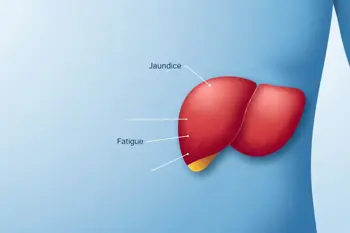
- Persistent tiredness or reduced physical energy
- Abdominal fluid buildup or increasing abdominal size
- Swelling in the legs or other areas
- Easy bruising or bleeding
- A palpable lump or enlarged liver in some examinations
Risk factors that change the significance of symptoms
The same symptom can have different significance depending on a person’s underlying liver health. Chronic hepatitis B or hepatitis C, cirrhosis, and other forms of long-term liver disease are established risk factors. Heavy alcohol use and progressive fatty liver disease can also contribute to risk, particularly when fatty liver develops inflammation and scarring. Regular follow-up is especially relevant for people with cirrhosis, chronic hepatitis, or other recognized liver conditions because early cancer may remain silent. 10 2
- Chronic hepatitis B or C infection
- Cirrhosis or progressive liver scarring
- Long-term liver disease
- Heavy alcohol use
- Fatty liver disease with inflammation or scarring
How clinicians evaluate possible liver cancer
Symptoms do not confirm liver cancer because they overlap with hepatitis, cirrhosis, gallbladder disease, fatty liver disease, and other digestive disorders. Evaluation may combine a medical history and physical examination with blood tests and imaging such as ultrasound, computed tomography, or magnetic resonance imaging. In some circumstances, a biopsy is used to examine a tissue sample. The suspected cancer type, stage, and remaining liver function guide subsequent clinical decisions. 3 4
| Evaluation method | General role |
|---|---|
| Medical history and examination | Assesses symptoms, liver disease history, swelling, tenderness, or enlargement. |
| Blood tests | Provides information relevant to liver function and overall health. |
| Ultrasound, CT, or MRI | Produces internal images that may identify an abnormal growth. |
| Biopsy in selected cases | Examines a small tissue sample under a microscope. |
When persistent symptoms deserve attention
Ongoing, worsening, or unexplained abdominal pain, appetite loss, weight loss, fatigue, swelling, jaundice, or stool and urine changes should be discussed with a qualified clinician. The need for evaluation is particularly important when symptoms occur in someone with cirrhosis, chronic hepatitis, or another chronic liver condition. Regular surveillance for higher-risk individuals matters because liver cancer may produce few or no symptoms until it has progressed. 1 5
- Symptoms that persist should not be attributed automatically to cancer or dismissed without assessment.
- People with recognized liver disease may need scheduled monitoring.
- Only clinical evaluation and appropriate testing can distinguish cancer from other liver conditions.
Sources
- Yale Medicine, Liver Cancer
- Penn Medicine, Liver Cancer: Symptoms and Causes
- American Cancer Society, Liver Cancer Signs and Symptoms
- Mayo Clinic, Liver Cancer Symptoms and Causes
- Cleveland Clinic, Liver Cancer
- Johns Hopkins Medicine, Liver Cancer
- National Cancer Institute, Adult Liver Treatment
- NHS, Liver Cancer Symptoms
- Centers for Disease Control and Prevention, Liver Cancer
- Memorial Sloan Kettering Cancer Center, Liver Cancer Symptoms
Authored by 24Trendz team