Warning signs that may indicate thyroid disease: Clinical perspectives on gland dysfunction and early detection
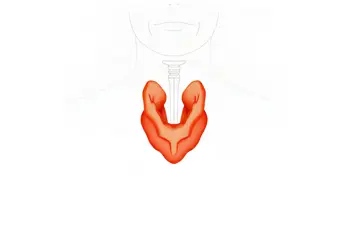
The thyroid gland, a small, butterfly-shaped organ located at the base of the neck, serves as a primary regulator for numerous metabolic processes within the human body 2. Because this gland influences everything from heart rate and digestive speed to cognitive function and body temperature, its dysfunction can produce a wide array of symptoms that are frequently misinterpreted as indicators of stress or natural aging 1, 5. With an estimated 20 million Americans living with some form of thyroid disease, understanding the warning signs that signal a need for medical evaluation is essential for long-term health management 3, 4.
Understanding the Role of the Thyroid Gland
The thyroid functions as the body's primary metabolic battery, secreting hormones such as thyroxine (T4) and triiodothyronine (T3) that modulate energy consumption at the cellular level 1, 4. When these hormone levels remain stable, physical and mental processes function in synchronization 1. However, even minor fluctuations in hormone production can disrupt this balance, leading to systemic issues that impact physical endurance, mood, and thermoregulation 1. Because symptoms are often broad and non-specific, many individuals remain unaware of their condition for extended periods 8.
Hyperthyroidism and Hypothyroidism: Defining the Imbalance
Thyroid disease is categorized primarily by the quantity of hormones produced by the gland 2. Hyperthyroidism describes an overactive state in which the gland dispatches excessive hormones, effectively shifting the body's metabolism into an accelerated state 2. Conversely, hypothyroidism occurs when the thyroid fails to produce sufficient hormones, causing metabolic functions to slow down significantly 2, 3. While these two conditions present with distinct physiological markers, both types of dysfunction are considered highly treatable once accurately identified by clinical testing 5, 6.
Common Indicators of Hypothyroidism
Hypothyroidism is the more common of the two conditions, particularly among women and older adults 5, 7. Because it lowers the overall energy output of the body, patients frequently report persistent fatigue, lethargy, and a sensation of exhaustion that remains unaffected by rest 2, 3. Other diagnostic indicators often include unexplained weight gain, difficulty losing weight, and a marked intolerance to cold temperatures 2, 3. Dermatological and cognitive changes, such as dry skin, hair thinning, and difficulty concentrating or maintaining mental clarity, are also frequently cited during clinical assessments 2, 6.
Common Indicators of Hyperthyroidism
Hyperthyroidism, characterized by an overabundance of thyroid hormones, typically manifests through symptoms of metabolic overdrive 2. Individuals may experience unexplained weight loss despite normal or increased caloric intake, alongside physical signs such as hand tremors, muscle weakness, and a rapid or irregular heartbeat 2, 6. Unlike those with hypothyroidism, people with hyperthyroidism often report heat intolerance and excessive sweating 2. Behavioral changes are also observed, with many patients reporting heightened states of anxiety, nervousness, or irritability, which can sometimes be confused with primary psychiatric or stress-related conditions 2, 6.
Physical Signs and Structural Changes
Beyond systemic metabolic symptoms, structural changes to the thyroid gland itself can serve as a primary warning sign 7. A goiter, which is a visible swelling or enlargement of the thyroid gland at the base of the neck, may indicate an underlying autoimmune condition or the presence of nodules 7, 8. Patients might experience sensations of fullness in the neck, difficulty swallowing, or hoarseness in their voice 7. While not every nodule signifies cancer, any visible or palpable lump in the neck region requires prompt medical examination to rule out structural pathology 7.
Diagnostic Considerations and Medical Evaluation
Given that thyroid symptoms frequently overlap with other health concerns like menopause, depression, or general fatigue, clinical diagnosis relies on standardized blood testing rather than symptom observation alone 5, 6. The primary diagnostic tool is the thyroid-stimulating hormone (TSH) test 6, 8. An elevated TSH level generally suggests an underactive thyroid, while a low TSH level often points toward an overactive thyroid 6. Patients experiencing persistent symptoms should consult a primary care physician or an endocrinologist to discuss these markers, as untreated thyroid dysfunction can lead to long-term health complications involving bone density and cardiovascular function 3, 5, 6.
Sources
- The Well by Northwell: How to Know If You Have a Thyroid Problem
- Ochsner Health: What Are the Early Warning Signs of Thyroid Problems?
- UChicago Medicine AdventHealth: Thyroid Disease Warning Signs
- NewYork-Presbyterian: What Are the Signs and Symptoms of Thyroid Disease?
- AARP: What Are the Warning Signs of a Thyroid Disorder?
- Prevention: Doctors Explain Signs You May Have a Thyroid Problem
- Prevention: 17 Sneaky Signs of Thyroid Disease Doctors Want You to Know
- Acibadem Hospitals Group: Thyroid Symptoms: Causes, Conditions, When To See A Doctor
- Merck Manual Professional Edition: Hypothyroidism
Authored by 24Trendz team