Warning signs of hypothyroidism: A comprehensive review of clinical indicators and diagnostic pathways
Hypothyroidism, commonly referred to as an underactive thyroid, occurs when the thyroid gland fails to synthesize and secrete adequate levels of thyroid hormones to support the body's metabolic requirements 1. Because thyroid hormones serve as the primary regulators of energy usage, temperature maintenance, and cellular function throughout the body, a deficiency can manifest in a broad array of systemic symptoms 2. These warning signs often emerge gradually over several years, making them frequently difficult to distinguish from general aging or stress-related fatigue 3.
Understanding the Metabolic Impact of Thyroid Hormone Deficiency
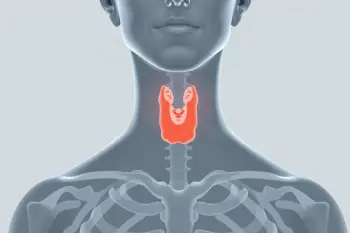
The thyroid gland is a butterfly-shaped organ located at the base of the neck that dictates the speed of the body's chemical functions, collectively known as the metabolic rate 4. When the gland produces insufficient amounts of T4 (thyroxine) and T3 (triiodothyronine), the overall pace of bodily systems begins to diminish 5. This physiological slowdown is why patients often report a general sensation of moving through the day more slowly than they did previously 6. Because this condition is estimated to affect approximately 12% of the U.S. population during their lifetime, recognizing these subtle changes is a critical component of endocrine health awareness 7.
Metabolic shifts often present as unexplained weight gain, which is typically attributed to a decrease in the body's ability to burn calories effectively 8. While patients may not experience a dramatic or sudden surge in weight, a steady, gradual increase is a frequent observation 9. Furthermore, because the thyroid regulates internal heat production, a hallmark sign of the condition is an increased sensitivity to cold, where an individual may feel chilled even in temperatures that others find comfortable 10. This cold intolerance often persists regardless of the external environment or the amount of clothing worn 11.
Common Clinical Manifestations and Physical Changes
The physical warning signs of an underactive thyroid are often diverse, as the hormones are required for the health of tissues ranging from the skin to the muscular system 12. Many individuals report persistent fatigue that is not alleviated by adequate sleep, serving as a primary indicator that the body’s energy production is compromised 13. This state of chronic tiredness is frequently accompanied by a range of skin and hair changes, including dryness, brittleness, and an increase in hair shedding 14. Thinning of the outer third of the eyebrows is also a clinically observed sign associated with the condition 15.
Musculoskeletal symptoms are also prevalent among those with undiagnosed hypothyroidism. Patients frequently document muscle weakness, aches, tenderness, and general stiffness, which can sometimes be misidentified as orthopedic issues 16. Digestion is similarly affected by the slowing of metabolic motility, often resulting in chronic constipation 17. Additionally, the condition can cause visible physical changes such as facial puffiness, particularly around the eyes, and a noticeably hoarse voice due to the thickening of soft tissues in the throat area 18.
Cognitive and Neurological Indicators
Beyond physical ailments, hypothyroidism is known to affect cognitive performance and mood regulation. Many patients report experiencing brain fog, which includes difficulty with memory, impaired concentration, and a generally low mood that may reach the clinical threshold for depression 19. These cognitive symptoms develop alongside physical ones and can often impact an individual's professional and personal life, yet they are rarely immediately linked to thyroid function without targeted investigation 20.
In more severe cases, or if the condition remains untreated for an extended duration, patients may notice a decrease in the speed of their speech and a reduced sense of smell or taste 21. The heart is also impacted, as hypothyroidism can lead to bradycardia, a condition where the heart rate slows significantly below the typical resting range 22. These neurological and cardiovascular signs emphasize the critical role of thyroid hormones in maintaining homeostasis across disparate biological systems 23.
Reproductive and Hormonal Health Considerations
Hypothyroidism carries specific implications for reproductive health, particularly in women. The condition is associated with irregular or unusually heavy menstrual cycles, which can serve as an early warning sign for those of reproductive age 24. Because proper hormone levels are essential for fertility, untreated hypothyroidism is recognized as a potential cause of infertility or adverse pregnancy outcomes 25. The higher prevalence of thyroid disease in women, which is five to eight times higher than in men, necessitates a higher degree of vigilance regarding these specific reproductive symptoms 26.
| Symptom Category | Specific Indicators |
|---|---|
| Metabolic | Unexplained weight gain, cold intolerance |
| Physical | Dry skin, brittle hair, facial puffiness |
| Musculoskeletal | Muscle aches, stiffness, weakness |
| Cognitive/Mood | Depression, memory issues, brain fog |
| Gastrointestinal | Chronic constipation |
| Reproductive | Irregular or heavy menstrual cycles |
Diagnostic Protocols and Regulatory Oversight
The definitive diagnosis of hypothyroidism is never based on symptoms alone, as these clinical indicators often overlap with other conditions 27. Instead, healthcare professionals rely on standardized blood tests to evaluate thyroid function. The primary diagnostic markers are Thyroid-Stimulating Hormone (TSH) and Free T4 levels 28. A high TSH level combined with a low Free T4 level typically confirms primary hypothyroidism, indicating that the thyroid gland itself is not responding to the pituitary gland's signals 29.
It is important to note that Hashimoto thyroiditis, an autoimmune condition where the immune system attacks the thyroid gland, is the most common cause of hypothyroidism in the United States 30. Because of the potential for long-term health complications such as elevated cholesterol and heart disease, early identification through appropriate blood testing is considered the standard of care 31. Once diagnosed, treatment usually involves hormone replacement therapy, which requires consistent follow-up testing to monitor and adjust the dosage, ensuring that thyroid hormone levels are maintained within a safe, physiological range 32.
Clinical Risks of Untreated Hypothyroidism
Leaving an underactive thyroid untreated presents significant health risks over time. Beyond the immediate impact on quality of life, prolonged hormone deficiency can lead to cardiovascular issues and the development of a goiter, which is a visible enlargement of the thyroid gland resulting from persistent stimulation 33. In rare and extreme cases, severe hypothyroidism known as myxedema can become life-threatening, requiring immediate medical intervention 34. Regular monitoring of thyroid levels in individuals identified as at-risk is therefore essential for preventing these long-term complications and maintaining overall metabolic health 35.
Sources
- Mayo Clinic: Hypothyroidism (underactive thyroid) - Symptoms and causes
- Penn Medicine: Hypothyroidism Symptoms and Causes
- Acibadem Health Point: Symptoms of Hypothyroidism
- Merck Manual Consumer Version: Hypothyroidism
- Atlantic Health: How to know if you have an underactive thyroid gland
- Vyta.co: Hypothyroidism Symptoms: What an Underactive Thyroid Feels Like
- Ochsner Health: What Are the Early Warning Signs of Thyroid Problems?
- Hartford HealthCare: 6 Signs of an Underactive Thyroid
- National Institute of Diabetes and Digestive and Kidney Diseases: Hashimoto's Disease
- Cleveland Clinic: Hypothyroidism Overview
- MedlinePlus: Hypothyroidism Symptoms and Diagnosis
- WebMD: Hypothyroidism and Physical Changes
- Johns Hopkins Medicine: Hypothyroidism Cognitive and Mood Symptoms
- Harvard Health Publishing: Hypothyroidism Musculoskeletal Impacts
- Office on Women's Health: Thyroid Disease and Reproductive Health
- American Thyroid Association: Diagnosis and Treatment of Hypothyroidism
- Endocrine Society: Thyroid Hormone and Cholesterol Levels
Authored by 24Trendz team