Effective ways to manage premenstrual symptoms naturally: Evidence, safety, and practical guidance
Effective ways to manage premenstrual symptoms naturally include regular exercise, balanced meals, adequate sleep, stress-management practices, and carefully evaluated nutritional support. Premenstrual syndrome, or PMS, commonly appears during the week or two before menstruation and may involve physical, emotional, and behavioral symptoms. Around 90% of women experience some symptoms, while approximately 20% to 40% report effects that influence daily life. 1
What the evidence says about self-management
A 2026 systematic review examined 39 randomized controlled trials involving 3,806 adults and 42 interventions. The research covered physical activity, nutrition, heat treatment, sleep, stress management, education, over-the-counter medicines, and combined approaches. Evidence was uneven, but physical activity, particularly yoga, repeatedly improved menstrual discomfort, exhaustion, and mood. Nutritional interventions were the most frequently studied category, although results varied across nutrients and study designs. 2
PMS is distinguished by its recurring timing. Symptoms generally develop during the luteal phase, the second half of the cycle, and decrease when menstruation begins. More severe symptoms that disrupt work, school, relationships, or ordinary functioning may indicate premenstrual dysphoric disorder, or PMDD. Prevalence estimates vary, with PMDD commonly reported at approximately 2% to 5%, so symptom severity and functional impact matter more than a single symptom alone. 3
Exercise and movement
Regular aerobic activity is one of the most consistently recommended nonmedication approaches for PMS. Physical activity may help with mood changes, fatigue, and general discomfort, while yoga has shown repeated improvements across discomfort, exhaustion, and mood in randomized research. Exercise should be considered a recurring routine rather than a measure used only during the few difficult days before menstruation, because the reviewed interventions evaluated ongoing patterns of activity. 4
Yoga can also combine movement with breathing and relaxation, which may be relevant when irritability, anxiety, or tension accompany physical symptoms. The available evidence does not establish one universally effective exercise type, intensity, or schedule for every person. A practical approach is to monitor symptoms while maintaining a tolerable, regular activity pattern and to adjust for pain, fatigue, injuries, pregnancy, or other health conditions that affect exercise safety. 5
Food choices, salt, caffeine, and alcohol
A balanced eating pattern emphasizing vegetables, fruits, whole grains, and complex carbohydrates is commonly recommended for symptom management. A 2026 nutrition review found that diets higher in ultra-processed foods, refined carbohydrates, and saturated fats were more frequently associated with greater symptom severity, while healthier dietary patterns were linked with a lower symptom burden. The review also described possible benefits from calcium, vitamin D, zinc, iron, and omega-3 fatty acids, but emphasized that findings remain heterogeneous. 6
Reducing salt may lessen fluid retention and bloating, while limiting caffeine and alcohol may support sleep, breast comfort, irritability, and mood. These changes are not guaranteed to relieve symptoms, and individual responses differ. Dietary restriction can also create nutritional problems if it becomes excessive, particularly for people with a history of disordered eating, iron deficiency, restricted diets, or medical conditions requiring individualized nutrition guidance. 7
Sleep and stress management
Adequate sleep is included in guidance from major health organizations because sleep disruption can compound fatigue, irritability, and emotional symptoms. Consistent sleep routines, relaxation exercises, meditation, and stress-management practices are commonly identified as self-care measures. The available material supports these approaches as components of symptom control, but it does not establish that one relaxation technique works for everyone or that lifestyle measures can replace clinical treatment for severe symptoms. 8
Cognitive behavioral therapy may be useful when PMS includes persistent negative thoughts, anxiety, irritability, or behavior changes. Its role is particularly relevant when symptoms affect coping, relationships, or daily functioning. Stress reduction is best viewed as an ongoing maintenance practice, since symptoms recur across cycles and improvements may require consistent application. If low mood, panic, insomnia, or distress occurs outside the premenstrual window, another condition may need evaluation rather than being attributed solely to PMS. 9
Supplements and herbal products
Calcium has some of the clearest supplement evidence. A multicenter randomized placebo-controlled trial involving 466 women reported that 1,200 milligrams of elemental calcium daily reduced total symptom scores by about 48% over three cycles, compared with roughly 30% with placebo. A Cochrane review also found that calcium may improve overall PMS and several individual symptoms, while noting limitations in the evidence. Supplement amounts should be discussed with a healthcare professional, especially when kidney disease, pregnancy, or medication use is involved. 10
Vitamin B6, magnesium, and chasteberry, also known as Vitex agnus-castus, have been studied, but the strength and consistency of evidence differ. Some reports indicate potential benefits for mood or anxiety, yet herbal products can interact with medicines and may vary in formulation and quality. “Natural” does not mean risk-free, and supplements should not be combined casually or used at high doses. Professional review is especially important when using hormonal contraception, psychiatric medicines, anticoagulants, or fertility-related treatment. 11
Tracking symptoms and recognizing warning signs
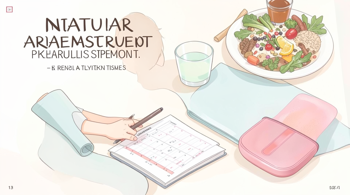
A daily symptom diary maintained across at least two menstrual cycles can document timing, severity, bleeding dates, sleep, diet, and functional effects. Prospective recording helps identify whether symptoms reliably occur before menstruation and improve afterward, which supports assessment for PMS or PMDD. It can also reveal symptoms that continue throughout the cycle, suggesting that depression, anxiety, thyroid disease, anemia, migraine, or another condition may require separate consideration. 12
Professional assessment is appropriate when symptoms consistently interfere with work, relationships, school, sleep, or self-care, or when lifestyle measures provide inadequate relief. PMDD is a recognized medical condition, not a character weakness, and natural strategies may be complementary rather than sufficient. Thoughts of self-harm, feeling unsafe, or severe emotional distress require urgent support through local emergency services, a crisis service, or a trusted healthcare professional. 13
Building a realistic management plan
A sustainable plan usually begins with one or two measurable changes, such as regular aerobic activity, a balanced meal pattern, lower salt intake, consistent sleep, or a brief daily relaxation practice. Tracking can show which symptoms change and whether benefits persist over successive cycles. Because trial evidence used different interventions and outcomes, no single natural method can be presented as universally effective. The most defensible approach is individualized monitoring combined with clinical advice when symptoms are persistent or severe. 14
Maintenance is important because PMS is cyclical, and stopping an effective routine may allow symptoms to return. Supplement use also requires periodic review of dose, interactions, side effects, and whether the product is addressing a documented need. Health claims for herbal and nutritional products are not equivalent to evidence from well-designed randomized trials. Clear symptom records, realistic expectations, and attention to safety provide a stronger basis for decisions than broad claims made about untested PMS blends. 15
Sources
- Jean Hailes, “PMS, PMDD and you”
- BMC Women’s Health, “Self-management strategies for menstrual cycle symptoms: a systematic review”
- Konuralp Tıp Dergisi, “Approach to Premenstrual Syndrome and Premenstrual Dysphoric Disorder from the Perspective of Family Medicine”
- American College of Obstetricians and Gynecologists, “Premenstrual Syndrome”
- Office on Women’s Health, “Premenstrual Syndrome”
- Journal of Clinical Medicine, “Premenstrual Syndrome and Nutritional Factors: A Narrative Review of Current Evidence and Clinical Implications”
- NHS, “Pre-menstrual syndrome”
- MedlinePlus, “Premenstrual syndrome”
- Mayo Clinic, “Premenstrual syndrome: Diagnosis and treatment”
- Cochrane, “Calcium for premenstrual syndrome”
- Mayo Clinic, “Premenstrual syndrome: Diagnosis and treatment”
- NCBI Bookshelf, “Premenstrual Syndrome and Premenstrual Dysphoric Disorder”
- Acibadem International, “Premenstrual Syndrome and PMDD: Symptoms and Treatment Options”
- Johns Hopkins Medicine, “Premenstrual Syndrome”
- Cleveland Clinic, “Premenstrual Syndrome”
Authored by 24Trendz team