Understand Treatment Options for Hypertension: A Comprehensive Review of Clinical Guidelines and Management Strategies
High blood pressure, or hypertension, is recognized as a primary modifiable risk factor for cardiovascular disease, necessitating systematic evaluation and management to prevent long-term complications 3. In 2025, the American College of Cardiology and the American Heart Association released updated guidelines providing a framework for the detection, evaluation, and treatment of hypertension in adults 1. These guidelines emphasize a risk-based, patient-centered approach, reflecting a collaborative effort across multiple medical specialties to improve clinical outcomes 8.
Defining Hypertension and Clinical Classification
Hypertension is clinically defined as blood pressure that is consistently at or above 130/80 mmHg 8. The classification system currently utilized categorizes blood pressure into distinct tiers to guide clinical decision-making: normal (less than 120/80 mmHg), elevated (120-129/80 mmHg), stage 1 hypertension (130-139/80-89 mmHg), and stage 2 hypertension (140/90 mmHg or higher) 6. A hypertensive crisis, which requires immediate clinical attention, is categorized by levels exceeding 180/120 mmHg 6.
Diagnosis is facilitated by accurate, consistent measurement. The 2025 guidelines have integrated the AHA PREVENT calculator, which estimates cardiovascular risk by incorporating factors such as renal function, social determinants of health, and statin usage, while excluding race as a variable 6. This shift represents a transition toward a more nuanced understanding of individual risk profiles compared to earlier predictive models 7.
Foundational Lifestyle Modifications
Lifestyle intervention remains the primary therapeutic recommendation for all adults with elevated blood pressure or confirmed hypertension 6. Clinical evidence supports several nonpharmacological strategies to effectively lower systolic and diastolic readings. For individuals with stage 1 hypertension and a 10-year cardiovascular risk score below 7.5%, lifestyle modifications are typically recommended for a duration of three to six months before re-evaluating the necessity of pharmacological intervention 6.
Core lifestyle strategies include the following:
- Adopting a Dietary Approaches to Stop Hypertension (DASH) eating pattern 6.
- Restricting dietary sodium intake to less than 1,500 mg per day 6.
- Engaging in at least 150 minutes of moderate-intensity aerobic physical activity per week 6.
- Achieving and maintaining a healthy body weight 7.
- Limiting alcohol consumption and maintaining tobacco cessation 7.
Pharmacological Management Overview
When lifestyle modifications are insufficient to reach blood pressure targets, antihypertensive medications are introduced 7. The selection of medication is informed by the degree of blood pressure elevation, the presence of comorbidities such as diabetes or chronic kidney disease, and individual patient factors 3. First-line classes of antihypertensive agents are well-established in current medical literature 4.
Commonly utilized first-line medication classes include:
| Medication Class | Primary Mechanism |
|---|---|
| Thiazide-type Diuretics | Promotes sodium and water excretion to lower blood volume. |
| ACE Inhibitors | Inhibits the angiotensin-converting enzyme to relax blood vessels. |
| Angiotensin Receptor Blockers (ARBs) | Blocks angiotensin II receptors to facilitate vasodilation. |
| Calcium Channel Blockers | Prevents calcium from entering vascular smooth muscle cells. |
It is clinically noted that ACE inhibitors and ARBs should not be combined in the same treatment regimen, and these agents require careful management or avoidance during pregnancy due to safety considerations 3.
Strategies for Complex and Resistant Cases
A significant portion of the patient population, particularly those aged 70 or older, may require a combination of two or more antihypertensive medications to achieve target blood pressure levels 4. Resistant hypertension, defined as blood pressure that remains above goal despite the use of multiple medications, necessitates a comprehensive evaluation 7. Clinicians may investigate medication adherence, secondary causes of hypertension, or the presence of interfering substances during this process 7.
In cases of persistent resistance, clinicians may consider the addition of specific medication classes, such as mineralocorticoid receptor antagonists, or innovative adjunctive options like renal denervation for strictly selected patients 7. Managing such cases requires a team-based approach, prioritizing the coordination of care to ensure that medications are tailored to the patient’s specific health issues and lifestyle requirements 7.
Monitoring and Longitudinal Care
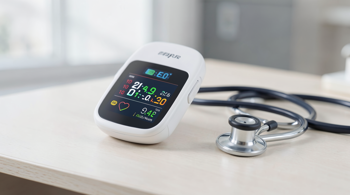
Home blood pressure monitoring is an essential tool in contemporary hypertension management, providing critical data that helps clinicians distinguish between clinical hypertension and other phenomena, such as white-coat hypertension 7. Monitoring facilitates the tracking of treatment responses over time, allowing for more precise medication titration 3.
Ongoing maintenance involves periodic reviews of the treatment plan to ensure blood pressure remains within individualized goal ranges 3. As medication acts to manage rather than cure hypertension, consistent long-term adherence is necessary, as blood pressure levels typically rise if therapy is discontinued 7. Patients are encouraged to engage with their healthcare teams to establish sustainable monitoring habits and to ensure that therapy continues to meet their evolving health needs 7.
Clinical Limitations and Regulatory Perspectives
While pharmacological and lifestyle interventions are robust, they are subject to limitations. Current guidelines acknowledge gaps in evidence and the necessity for future research into specialized treatment paths for specific patient populations, including those with neurological disorders or those requiring surgical interventions 7. Regulatory and clinical standards continue to evolve, moving away from universal protocols toward more granular risk-based assessments 7.
Furthermore, while the use of antihypertensive medications is a routine component of primary care, they are not without complexity. The high prevalence of hypertension means that over 200 different medication formulations are currently available, each with distinct pharmacological properties and potential side effects 4. Therefore, the selection process remains a deeply individualized clinical exercise that balances therapeutic benefits against the potential for adverse effects, patient tolerance, and the reality of complex multi-drug regimens 4.
Sources
- Medscape, 2025 AHA/ACC Guideline Summary: Prevention, Detection, Evaluation, and Management of High Blood Pressure in Adults.
- NCBI Bookshelf, Hypertension in adults: diagnosis and management (NICE Clinical Guidelines).
- UpToDate, Hypertension in adults: Initial management.
- Harvard Health Publishing, Taming high blood pressure: How doctors find the right drug mix.
- Medscape Reference, Hypertension Treatment & Management.
- StatPearls, Antihypertensive Medications: Treatment & Management.
- Mount Sinai, High Blood Pressure Treatment Options.
- Springer Nature, Updates in the 2025 AHA/ACC Hypertension Guideline.
- CDC, About High Blood Pressure.
- Circulation, 2025 AHA/ACC Joint Committee on Clinical Practice Guidelines.
Authored by 24Trendz team