Top 5 Cardiac Rehabilitation Clinics: A Comparative Research Brief
How the Five Programs Were Selected
The phrase “Top 5 Cardiac Rehabilitation Clinics” can suggest a universal ranking, but the available research does not establish one standardized national league table. The five programs reviewed here are notable examples documented in provider or health-system reporting, with distinctions including multidisciplinary care, intensive rehabilitation, structured education, quality certification, or broad regional reach. Each program remains subject to local eligibility rules, referral processes, clinical staffing, and location-specific availability.
Cardiac rehabilitation is generally a medically supervised service combining exercise, education, counseling, and lifestyle management. The American Heart Association describes rehabilitation as a phased process that supports recovery and long-term cardiovascular risk reduction, while the supplied clinical reports describe programs serving people after heart attacks, surgery, angioplasty, valve procedures, heart failure, or other cardiac conditions. 8
- McLaren Cardiac Rehabilitation, Michigan
- Monument Health Cardiac Rehab, Rapid City, South Dakota
- Cardiovascular Institute of the South, Lafayette, Louisiana
- Memorial Health hospitals, Illinois
- UC Davis Health Cardiac Rehab, Sacramento, California
1. McLaren Cardiac Rehabilitation
McLaren provides cardiac rehabilitation for heart patients throughout Michigan, emphasizing education and practical knowledge intended to help patients return to productive daily lives. Its reported model uses coordinated care from experienced specialists, individualized treatment planning, monitored exercise, lifestyle education, and follow-up that can be adjusted as recovery progresses. The program describes three phases designed to match changing medical needs and recovery status. 1
The documented conditions and procedures covered by McLaren include angina, myocardial infarction, coronary bypass surgery, valve repair or replacement, angioplasty, stenting, heart failure, arrhythmia, heart transplantation, pacemaker or defibrillator implantation, and multiple risk factors such as hypertension, diabetes, elevated cholesterol, and smoking. This breadth may matter for patients whose rehabilitation needs extend beyond a single procedure, although individual eligibility must be determined by a care team.
2. Monument Health Cardiac Rehab
Monument Health’s Heart and Vascular Institute in Rapid City offers Pritikin Intensive Cardiac Rehab with a physician referral. The reported program combines personalized exercise, heart-healthy nutrition education, and stress and mental-wellness support. Monument states that its intensive model is one of only three Intensive Cardiac Rehab programs approved by Medicare, a designation that distinguishes it from conventional exercise-focused rehabilitation. 2
The program structure described by Monument includes up to 72 sessions, compared with a maximum of 36 sessions in traditional cardiac rehabilitation. The additional sessions focus on education, while exercise remains a central component. This format may provide more structured lifestyle instruction, but the larger session commitment creates practical issues involving transportation, scheduling, referral authorization, and sustained attendance. Medicare approval does not mean every patient or every service is automatically covered.
3. Cardiovascular Institute of the South
The Cardiovascular Institute of the South operates an intensive cardiac rehabilitation center in Lafayette for patients recovering from significant cardiac events or procedures. Its reported multidisciplinary team includes physicians, nurses, exercise physiologists, a registered dietitian, and a health coach. The program is described as lasting approximately three to four months and uses personalized care, monitored activity, nutrition counseling, stress management, and health education. 3
The Lafayette program specifically addresses recovery after heart attack, bypass surgery, stent placement, open-heart surgery, and congestive heart failure. Its stated clinical aims include improving circulation, endurance, and cardiac function while identifying modifiable risks associated with future events. Patients comparing this model with other clinics should examine exercise monitoring, emergency protocols, staff credentials, communication with the referring cardiologist, and the process for transitioning to long-term maintenance.
4. Memorial Health Hospitals
Four Memorial Health hospitals in Illinois, including Decatur Memorial Hospital, Lincoln Memorial Hospital, Springfield Memorial Hospital, and Taylorville Memorial Hospital, earned recertification from the American Association of Cardiovascular and Pulmonary Rehabilitation in 2025. The reported recognition covered inpatient and outpatient programs serving patients recovering from heart attacks and other conditions. Certification requires documentation of quality indicators, staff competencies, and program practices. 4
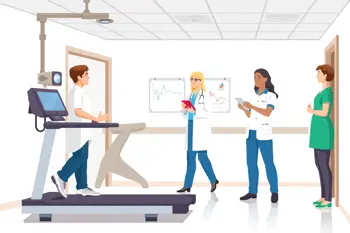
Memorial Health’s reported programs provide individualized attention and operate across multiple hospital locations, which may improve geographic access for some Illinois patients. However, a health system’s recognition does not guarantee identical schedules, staffing, equipment, or patient experience at every site. A patient may need to confirm whether a specific hospital offers inpatient rehabilitation, outpatient sessions, pulmonary services, or a particular exercise and education schedule.
5. UC Davis Health Cardiac Rehab
UC Davis Health describes a 12-week cardiac rehabilitation program in Sacramento that combines exercise and education sessions lasting up to 90 minutes. The reported care team includes heart doctors, exercise physiologists, nurses, dietitians, diabetes specialists, pharmacists, and psychology counselors. A patient example involved rehabilitation for angina after a positive nuclear scan, with structured care recommended as an approach to managing symptoms and reducing future risk. 5
The UC Davis account illustrates that rehabilitation may be recommended even when a patient is not immediately undergoing a stent procedure. Its multidisciplinary structure addresses physical conditioning alongside diabetes management, medications, nutrition, and psychological support. Patients should not interpret a published patient story as a clinical prediction. Suitability depends on diagnosis, medical stability, exercise tolerance, referral documentation, and the treating cardiologist’s assessment.
Eligibility, Oversight, and Practical Friction
Cardiac rehabilitation commonly requires a physician referral and an initial clinical evaluation, which may include assessment of cardiovascular capacity. Eligible conditions can include heart attack, bypass surgery, valve repair or replacement, angioplasty, heart failure, transplant recovery, and device implantation, but coverage and enrollment rules vary. The reported Intensive Cardiac Rehabilitation model at InterMountain Medical Clinic requires a provider referral and states that Medicare and most commercial insurers approve its 72-session structure. 6
Quality oversight is another important comparison point. East Alabama Medical Center reported earning AACVPR certification after documenting practices and meeting standards for evidence-based cardiovascular rehabilitation. Boone County Health Center reported both AACVPR certification history and a 2025 Nebraska Cardiovascular and Pulmonary Rehabilitation Network Program of the Year distinction. These recognitions indicate formal review, but they do not eliminate ordinary barriers such as travel distance, appointment capacity, copayments, transportation, work obligations, or incomplete referral records. 7
What Patients Should Compare
Choosing among cardiac rehabilitation clinics requires more than comparing hospital reputations. Relevant questions include whether sessions are center-based, intensive, home-supported, or hybrid; how exercise is monitored; which professionals participate; how nutrition and stress are addressed; and whether the program communicates progress to the cardiology team. Traditional cardiac rehabilitation may involve up to 36 exercise sessions, while intensive models can reach 72 combined exercise and education sessions, creating materially different time commitments.
Long-term maintenance is a central reality rather than a final administrative step. Rehabilitation programs teach exercise habits, risk-factor management, nutrition, and confidence, but continued adherence after the formal course depends on the patient’s health status, support system, transportation, and follow-up care. The reported evidence summary from Carda Health states that cardiac rehabilitation is associated with lower cardiovascular mortality and rehospitalization, while also noting that national participation remains below one in four eligible patients. 9
Sources
- McLaren Health Care, Cardiac Rehabilitation: https://www.mclaren.org/main/cardiac-rehabilitation
- Monument Health, Cardiac Rehab: https://monument.health/service/cardiac-rehab/
- Cardiovascular Institute of the South, Intensive Cardiac Rehab Center: https://www.cardio.com/locations/intensive-cardiac-rehab/
- NowDecatur.com, Memorial Health Hospitals Earn Elite Honor: https://nowdecatur.com/2026/02/05/memorial-health-hospitals-earn-elite-honor-for-cardiovascular-and-pulmonary-rehabilitation/
- UC Davis Health, Building Stronger Hearts: https://health.ucdavis.edu/internal-medicine/news/headlines/building-stronger-hearts-uc-davis-healths-cardiac-rehab/2026/02
- InterMountain Medical Clinic, Intensive Cardiac Rehabilitation: https://immclinic.com/portfolio-items/intensive-cardiac-rehabilitation-icr/
- East Alabama Health and Boone County Health Center, AACVPR and program recognition reports: https://www.eastalabamahealth.org/news-and-media/eamc-cardiac-rehabilitation-program-certified-industry-leader-0 ; https://boonecohealth.org/boone-county-health-center-named-2025-cardiac-rehab-program-of-the-year/
- American Heart Association, What Is Cardiac Rehabilitation: https://www.heart.org/en/health-topics/cardiac-rehab/what-is-cardiac-rehabilitation
- Carda Health, Best Cardiac Rehab Treatment 2026: https://www.cardahealth.com/post/best-cardiac-rehab-treatment-2026
Authored by 24Trendz team