Natural remedies for cold and flu: Evidence, limits, and safety guidance
Natural remedies for cold and flu often focus on practical relief from coughing, congestion, sore throat, fever, and fatigue. Available medical guidance supports rest, hydration, humidified air, and selected symptom measures, while emphasizing that home care does not cure the underlying viral infection.
What natural remedies can and cannot do
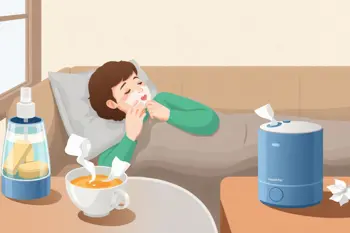
Common colds usually improve without disease-specific treatment, and supportive measures are intended to reduce discomfort while the immune system clears the infection. Rest, adequate fluid intake, humidified air, and saline nasal spray are commonly recommended approaches for easing symptoms rather than eliminating the virus. 1
Flu requires a more cautious assessment because influenza can lead to serious complications, particularly for people at higher risk. Prescription antiviral medicines may shorten illness and reduce complications when started early, so natural remedies should be viewed as complementary symptom care, not a substitute for medical evaluation when influenza is suspected. 2
Rest, fluids, steam, and saline care
Rest reduces the physical demands placed on someone recovering from respiratory illness, while fluids help address the loss associated with fever, inflammation, coughing, or reduced intake. Warm tea, hot water, and soup can make drinking and eating easier. Chicken noodle soup also provides fluid, protein, vegetables, and carbohydrates in a form that may be easier to tolerate during illness. 6
Humidified air, a warm shower, or bathroom steam may loosen secretions and make congested breathing feel more comfortable. Saline drops, sprays, or irrigation can help loosen mucus. Nasal-rinsing devices require distilled, sterile, or previously boiled water because untreated water can introduce serious infection risks. 5
Honey and warm drinks for cough relief
Honey may soothe an irritated throat by coating it and can reduce cough discomfort, especially at night. Medical references identify honey as an option for adults and children older than 1 year. It can be added to warm tea or water, although evidence supports symptom relief rather than a cure for the respiratory infection. 7
Honey must not be given to infants younger than 12 months because of the risk of infant botulism. Lemon and ginger are commonly added to warm beverages, but available clinical guidance describes limited evidence for immune-system benefits. Ginger may nevertheless help some people with nausea, making it a possible comfort measure when tolerated. 6
Zinc and vitamin C: modest effects and limitations
Zinc lozenges may modestly shorten the duration of a common cold when started soon after symptoms begin. The effect is not guaranteed, and side effects can include nausea and an unpleasant taste. Formulation and dose can vary, so label directions and professional advice matter, particularly for people taking medicines or managing chronic conditions. 3
Intranasal zinc products should be avoided because they have been associated with permanent or long-lasting loss of smell. Vitamin C taken regularly does not generally prevent colds in the general population, although research summarized by Harvard Health indicates it may produce a modest reduction in duration or symptom severity for some people. 8
Herbal remedies and the evidence gap
Elderberry is widely discussed as a possible cold or flu remedy, but evidence remains insufficient to establish that it reliably prevents or treats influenza. Studies and commercial preparations may differ in composition and quality, so a claim that an elderberry product provides dependable antiviral protection goes beyond the available evidence. 4
Ginger has a recognized role as a beverage ingredient and may help nausea, but the Baylor College of Medicine review notes limited data supporting claims about immune-system enhancement. Eucalyptus may feel helpful for airway comfort for people without an allergy, while medicated vapor ointments and humidifiers are described as symptom-relief options, not treatments that eradicate infection. 9
Safety boundaries and when to seek care
Antibiotics do not treat colds or influenza because these illnesses are caused by viruses rather than bacteria. Using them unnecessarily can expose a person to side effects without addressing the cause. Natural products also require caution because evidence, preparation quality, interactions, and appropriate use can vary, especially for children, pregnant people, older adults, and those with weakened immunity. 10
Medical assessment is particularly important for people at elevated risk of flu complications, because early antiviral treatment may be appropriate. Urgent care is warranted for trouble breathing, chest pain, confusion, severe dehydration, or symptoms that improve and then worsen. Testing for COVID-19 and influenza can help distinguish illnesses with different treatment considerations. 2
Sources
- Centers for Disease Control and Prevention, “About Common Cold”
- Centers for Disease Control and Prevention, “Flu Treatment”
- National Center for Complementary and Integrative Health, “Flu and Colds”
- National Center for Complementary and Integrative Health, “Elderberry”
- U.S. Food and Drug Administration, “Nasal Rinsing Devices: Is It Safe?”
- MedlinePlus, “Common Cold”
- Mayo Clinic, “Common Cold Remedies”
- Harvard Health Publishing, “Treating the Common Cold”
- Cleveland Clinic, “Home Remedies for Colds”
- Johns Hopkins Medicine, “Common Cold”
Authored by 24Trendz team