Natural remedies for arthritis: A clinical overview of non-pharmacological management strategies
When navigating the complexities of arthritis, individuals often seek complementary strategies to help manage persistent pain and joint stiffness. This report evaluates various non-pharmacological approaches, including lifestyle modifications, physical activity, and specific supplements, based on current clinical literature and research reviews 1. It is essential to recognize that while these methods may assist in improving functionality and reducing discomfort, they are generally intended to function as supportive measures rather than replacements for established medical treatments 2. Always consult a healthcare provider before initiating any new regimen to ensure safety and avoid potential interactions with existing medications 3.
The Foundation of Lifestyle Interventions
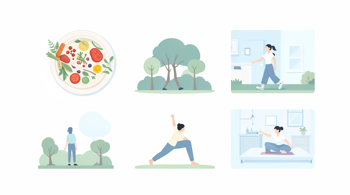
Management of chronic arthritis is often rooted in foundational lifestyle choices that address systemic inflammation and biomechanical stress. Research highlights that a predominantly plant-based, anti-inflammatory eating pattern, such as the Mediterranean diet, is associated with lower levels of systemic inflammation and reduced symptom severity 5, 14. Furthermore, weight management remains a critical intervention; even moderate weight reduction can significantly alleviate pressure on weight-bearing joints, with every pound lost potentially reducing knee pressure by approximately four pounds 3, 7. Behavioral changes targeting sleep hygiene are also gaining recognition, as poor sleep quality is clinically linked to heightened pain perception and increased inflammatory markers 5.
Physical Activity and Therapeutic Movement
Regular physical activity is widely regarded as one of the most effective non-drug interventions for maintaining joint integrity and functionality 5, 7. Guidelines typically suggest 150 to 300 minutes of moderate-intensity aerobic exercise per week, complemented by two sessions of strength training to support the muscles surrounding affected joints 1. Low-impact activities such as swimming, cycling, and brisk walking are frequently recommended to minimize joint stress 3, 7. Additionally, mind-body practices like Tai Chi and yoga have shown efficacy in improving mobility, balance, and pain scores for patients with various forms of arthritis 5, 16, 18.
Topical Applications and Physical Modalities
For localized symptom relief, patients often utilize physical modalities such as thermotherapy. Heat therapy is primarily used to address stiffness, while cold application, such as ice packs, can be effective in reducing acute pain and swelling, particularly following physical activity 17. Topical agents containing capsaicin, menthol, or camphor may also provide short-term analgesic benefits for some individuals 3. While these options are accessible, clinical oversight is encouraged because capsaicin, in particular, may cause skin irritation or a burning sensation for certain users 20.
Evaluating Common Supplements and Herbals
The market for arthritis supplements is extensive, though the scientific evidence for many products remains mixed or limited. Avocado Soybean Unsaponifiables (ASU) have been studied for their potential to block pro-inflammatory chemicals and inhibit cartilage breakdown, with some evidence suggesting they may reduce reliance on nonsteroidal anti-inflammatory drugs (NSAIDs) 2. Curcumin, the active component of turmeric, has demonstrated short-term anti-inflammatory properties in several trials, showing potential for reducing pain and improving function in knee osteoarthritis 4, 15. However, standardization in dosing and long-term safety data remains a primary focus of current research 6.
| Supplement | Reported Mechanism | Clinical Status |
|---|---|---|
| Curcumin | Anti-inflammatory | Modest benefit in short-term studies |
| ASU | Cartilage protection | Inhibits synovial deterioration |
| Glucosamine/Chondroitin | Connective tissue support | Evidence remains inconsistent |
| Boswellia | Inflammation reduction | Modest benefits observed |
Regarding other common supplements like glucosamine and chondroitin, scientific reviews often note that the evidence for pain relief is inconsistent and that these supplements have not been definitively shown to prevent the progression of joint damage 3, 13. Consumers should approach these products with caution, as dietary supplements are not universally regulated to the same standards as pharmaceuticals, and labeling inaccuracies or contamination can pose health risks 4.
Safety, Regulation, and Professional Guidance
The term natural does not inherently mean safe or devoid of side effects. Herbal extracts and supplements can interact with prescription anticoagulants, blood pressure medications, or other treatments, making professional consultation a mandatory step before adding anything to a care plan 4. Furthermore, individuals planning for surgical procedures must inform their medical team of any supplements they are taking, as certain natural products may interfere with anesthesia or increase bleeding risks 4. Open communication with a rheumatologist or primary care physician is the most effective way to integrate natural remedies safely into a holistic management framework 2, 8.
Summary of Non-Drug Management Considerations
Managing arthritis requires a long-term perspective focused on maintaining quality of life rather than searching for a singular cure 1. The synthesis of clinical data suggests that the most successful outcomes arise from a multi-faceted strategy that combines:
- Consistent adherence to low-impact aerobic and resistance exercise 1.
- Weight management to reduce mechanical joint stress 7.
- Implementation of an anti-inflammatory dietary pattern 1.
- Evidence-based use of physical modalities like heat and cold 17.
- Cautious, supervised integration of supplements based on individual clinical needs 8.
Sources
- Arthritis Foundation (2023). Natural Relief for Arthritis Pain.
- Arthritis New Zealand (2026). Herbs and supplements for arthritis: what’s safe, and what might help?
- Health.com (2025). 12 Natural Remedies for Arthritis That Relieve Pain.
- Arthritis Foundation (2025). Supplement and Herb Guide for Arthritis Symptoms.
- American Journal of Lifestyle Medicine (2025). Lifestyle Interventions and Supplements for Joint and Arthritis Pain: A Narrative Review.
- Frontiers in Medicine (2026). Efficacy and safety of different curcumin formulations in osteoarthritis.
- National Institute of Arthritis and Musculoskeletal and Skin Diseases (2026). Osteoarthritis Management Approaches.
- GoodRx (2025). 8 Natural Psoriatic Arthritis Treatments.
- Verywell Health (2025). 10 Natural Remedies to Relieve Arthritis in Hands.
- Woman's World (2026). 5 Supplements for Arthritis That Ease Pain and Stiffness Naturally.
- Centers for Disease Control and Prevention (2024). Physical activity and arthritis.
- American College of Rheumatology (2024). Osteoarthritis Treatment Guidelines.
- National Center for Complementary and Integrative Health (2024). Glucosamine and Chondroitin.
- Mayo Clinic (2024). Mediterranean-style diet for arthritis management.
- PubMed (2023). Curcumin supplementation and knee osteoarthritis symptoms.
- Harvard Health Publishing (2024). Tai Chi for Arthritis benefits.
- Versus Arthritis (2024). Heat and cold therapy.
- NHS (2024). Exercise and arthritis mobility.
- Cochrane (2024). Exercise for treating osteoarthritis of the knee.
- Johns Hopkins Arthritis Center (2024). Topical capsaicin for osteoarthritis.
Authored by 24Trendz team