Effective ways to manage sinus pressure symptoms naturally: A Clinical Perspective on Symptom Reduction
Sinus pressure is a common physiological challenge, often manifesting as a sensation of fullness, aching, or heaviness across the forehead, cheeks, and nasal bridge 1. While often associated with viral colds, allergies, or minor environmental irritation, this pressure occurs when the lining of the sinus cavities becomes inflamed, obstructing the natural drainage pathways for mucus 4, 8. Understanding the anatomy of the sinuses-which include the frontal, maxillary, ethmoid, and sphenoid cavities-helps clarify why specific physical interventions can be effective in promoting drainage and reducing discomfort 8.
Physiological Mechanisms of Sinus Pressure
The primary driver of sinus pressure is the inflammation of the mucous membranes within the nasal passages 4. When these linings swell, the tiny drainage openings become restricted, trapping mucus inside the air-filled cavities of the face 8, 9. This environment not only causes physical discomfort but can also create a conducive space for localized congestion 4. Because over 90% of acute sinus episodes are viral in origin, clinical guidelines frequently emphasize symptomatic care during the initial 7 to 10 days rather than aggressive pharmacological intervention 7.
Saline Irrigation Protocols
Saline nasal irrigation is recognized as a fundamental, evidence-based method for clearing the nasal cavities 3, 7. By mechanically flushing out mucus and potential allergens, saline rinses help restore the function of the cilia, which are the small hairs responsible for clearing debris from the respiratory system 5. Research indicates that regular use of large-volume saline irrigation supports acute pressure relief in approximately 80% of clinical trials 7. For safety, it is imperative to use only distilled, sterile, or previously boiled and cooled water to prevent introducing pathogens into the nasal passages 3, 5.
Steam and Humidity Management
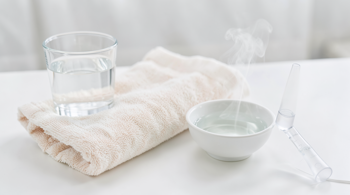
Maintaining proper moisture levels is essential for keeping nasal tissues from becoming dry and further irritated 5. Steam inhalation serves as a common supportive measure, providing comfort by loosening thick mucus and reducing the sensation of stuffiness 2, 3. While effective for temporary relief, clinical guidance suggests that steam does not address the underlying inflammatory cause of the pressure 2. Using a humidifier to maintain indoor air humidity between 30% and 50% can also provide a stable, controlled environment to prevent nasal tissues from dehydrating throughout the day or night 10.
Hydration and Dietary Approaches
Systemic hydration is a straightforward yet critical factor in managing sinus symptoms. Adequate daily fluid intake ensures that mucus remains thin, which is vital for facilitating easier drainage through narrow sinus channels 3, 6. Furthermore, certain dietary adjustments can offer supplemental support. For example, foods containing capsaicin have been shown in various studies to act as a natural decongestant, potentially thinning secretions and providing short-term relief from congestion 6, 10.
Positional Drainage and Facial Techniques
The role of gravity in sinus drainage should not be overlooked. Resting with the head elevated, particularly by using extra pillows while sleeping, can promote consistent, gravity-assisted drainage of the sinus cavities throughout the night 10. Additionally, manual stimulation in the form of gentle facial massage around the bridge of the nose and the cheekbones may assist in stimulating local circulation and encouraging the movement of trapped fluids 10.
| Technique | Primary Benefit |
|---|---|
| Saline Irrigation | Removes allergens and thins mucus |
| Warm Compresses | Relieves local pain and facial aching |
| Steam Inhalation | Loosens mucus and provides comfort |
| Head Elevation | Utilizes gravity for natural drainage |
| Humidification | Prevents irritation of dry nasal tissues |
When to Seek Professional Medical Assessment
While many cases of sinus pressure resolve with home care, there are definitive indicators that suggest the need for professional clinical evaluation. Individuals experiencing high fevers, visual disturbances, severe swelling, or symptoms that persist or worsen beyond the 10-day window should consult a healthcare provider 1, 3, 7. Such symptoms may indicate a progression toward a bacterial infection or a structural issue that requires professional intervention beyond supportive home-based measures 7, 9.
Sources
- Acibadem Hospitals Group: How To Relieve Sinus Pressure In Face
- Acibadem Hospitals Group: Steam Inhalation For Sinus Pressure
- Sleep and Sinus Centers: How to Drain Sinuses at Home
- eHome Remedies: 17 Home Remedies For Sinus Congestion
- American College of Healthcare Sciences: 3 Holistic Remedies for Sinus Support
- Liv Hospital: How to Relieve Sinus Pressure Naturally at Home
- Remedys Nutrition: Sinus Pressure Relief: Complete Natural Guide
- Non-Toxic Made Simple: Natural Remedies for Sinus Congestion
- Acibadem Hospitals Group: Sinus Pressure Without Congestion
- Sleep and Sinus Centers: Sinus Headache Relief
Authored by 24Trendz team