Home Recovery for PRP Injection: Clinical Guidelines and Post-Procedure Protocols
A structured, phase-based recovery plan is essential for managing the healing process after receiving a Platelet-Rich Plasma (PRP) injection 1. PRP therapy functions by concentrating an individual’s own platelets and injecting them into damaged tissue to trigger a controlled inflammatory response, which in turn drives cellular repair 1. Because this process is biological rather than immediate, the actions taken by a patient in the days and weeks following the procedure significantly influence the ultimate success of the treatment 1. This report provides an overview of clinical recovery timelines, activity expectations, and necessary precautions to optimize tissue regeneration.
Understanding the Biological Recovery Timeline
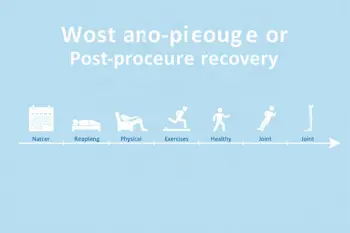
Recovery after a PRP injection is characterized by a gradual, multi-phase progression rather than an immediate resolution of symptoms 3. During the initial 72 hours, patients commonly experience an inflammatory flare, which manifests as increased soreness, swelling, or stiffness at the injection site 3, 4, 8. This early response is a clinical indicator that the body has begun the necessary inflammatory cascade required to recruit repair cells 5, 9. Approximately 60 to 70 percent of patients report this initial inflammatory reaction, which is considered a normal component of the healing process 7.
As the initial inflammatory phase subsides, the recovery process enters an early mobility stage, typically spanning weeks one through two 5. During this period, swelling usually decreases, and clinicians may begin introducing gentle range-of-motion exercises 5. By weeks three through six, many patients enter a remodeling phase where gradual, progressive loading of the tissue is encouraged 5. Full return to unrestricted physical activity is frequently achieved between three and six months, depending on the specific tissue treated and the severity of the underlying condition 1, 5.
Essential Post-Procedure Medication Protocols
Managing pain after a PRP injection requires careful adherence to clinical medication restrictions, as certain standard pain relievers can interfere with the body's natural inflammatory healing process 4. Most clinicians strictly advise against the use of nonsteroidal anti-inflammatory drugs (NSAIDs) such as ibuprofen, naproxen, aspirin, diclofenac, and meloxicam for a period of at least seven days to several weeks post-injection 2, 4, 7. These medications are contraindicated during the early recovery window because their mechanism of action can suppress the very inflammation required for platelets to signal tissue repair 4, 5.
If pain management is required during the immediate post-procedure period, clinicians often suggest acetaminophen as a neutral alternative, provided it is medically appropriate for the patient 4. It is imperative that patients do not discontinue prescribed anti-platelet therapies or start new medications without first consulting their primary physician or the clinician who performed the procedure 2, 6. Reliance on systemic medical guidance ensures that the patient does not accidentally inhibit the regenerative benefits of the concentrated growth factors delivered during the injection 5.
Activity Restrictions and Site Protection
Protecting the injection site is critical during the first 72 hours to prevent disrupting the concentration of growth factors before they fully integrate with the damaged tissue 1. During this initial window, patients are typically instructed to rest the treated area and avoid heavy lifting, running, or high-impact athletic activities 4, 5. Depending on the location of the injection, such as in the hip or knee, patients may be advised to utilize durable medical equipment like crutches or bracing to offload the joint 2. Submerging the injection site in water, such as in bathtubs or hot tubs, is generally prohibited for the first 48 hours to minimize infection risk 2, 4.
Gradual movement is the goal of the mid-recovery phase, which should only be initiated under the guidance of a medical team 2. Intense exercise, squatting, pivoting, or heavy resistance training should not be resumed until the provider confirms that the tissue has reached sufficient stability 4. Because PRP involves the injection of platelets into sensitive areas like synovial joint capsules or tendons, the specific requirements for activity progression will vary significantly based on whether the patient is being treated for osteoarthritis, a ligament tear, or tendonitis 5, 9.
Managing Symptoms and Clinical Warning Signs
Patients should expect a degree of discomfort after a PRP procedure, as the body is undergoing a targeted healing response in the treated tissue 2, 4. Common symptoms include aching, pressure, or a sense of fullness at the injection site, all of which generally reach a peak within the first three days before gradually tapering off 4. The use of physical modalities like ice or heat is highly variable and depends entirely on the specific protocol set by the treating physician 6, 7. Some protocols strictly advise against the use of ice for the first 48 hours, while others may allow it in limited intervals to manage significant swelling 4, 5.
While temporary soreness is expected, the presence of certain symptoms requires immediate medical consultation to rule out post-procedural complications. Patients should contact their healthcare provider promptly if they experience any of the following warning signs 6, 8:
- Fever or chills following the procedure
- Spreading redness or warmth around the injection site
- Excessive drainage or clear fluid leaking from the site
- Pain that increases in severity rather than improving over the first few days
- Unexpected weakness or neurological symptoms in the treated limb
Physical Therapy and Rehabilitative Integration
Physical therapy is widely considered a foundational element of successful PRP outcomes, serving to restore functional movement and muscle strength once the initial inflammatory phase has passed 7. By integrating structured rehabilitation after 1 to 2 weeks, patients can ensure that the newly generated tissue is being conditioned correctly through controlled, progressive loading 2. The goal of these sessions is to move the patient from protection-based care toward full functional restoration 6. Without this secondary stage of treatment, the patient may lack the stability required to protect the affected joint or tendon long-term 3.
The integration of physical therapy also allows for objective monitoring of the patient's recovery milestones. Because orthopedic results often take 8 to 12 weeks to show maximum clinical benefit, and up to six months for complete tissue maturation in tendons, the relationship between the patient and their physical therapist is key to maintaining consistent progress 7. Patients are encouraged to track their functional improvements-such as increased range of motion or reduced pain during daily tasks-and report these observations to their medical team during follow-up appointments 3, 7.
Summary of Clinical Expectations
The journey of PRP recovery is fundamentally different from surgical recovery, yet it requires a high degree of commitment to clinical instructions to achieve the desired regenerative outcome 5. Patients must accept that the process is gradual and that the initial days may involve temporary discomfort 3, 8. By avoiding anti-inflammatory medications that could hinder the treatment, following specific activity restrictions, and engaging in appropriate physical therapy, patients create the optimal environment for their body to utilize the injected platelets for repair 1, 4, 7.
Ultimately, the success of PRP depends on the intersection of biological factors and patient compliance with the aftercare protocol 1, 7. Since PRP preparations, injection techniques, and patient health profiles are highly individualized, the guidance provided by the treating clinician remains the final authority for any recovery schedule 6. Open communication regarding pain levels, activity capacity, and any unexpected symptoms is the most effective way to navigate the recovery phase and monitor progress toward long-term functional goals 6, 8.
Sources
- Nortex Tissue Regeneration: PRP Injection Recovery Guide
- Forté Orthopedics: PRP Post-Procedure Instructions
- Amit Sharma, MD: PRP Recovery Timeline
- MD Esthetics: PRP Regenerative Joint Therapy Post-Care
- Regenerated.com: PRP Injection Recovery Timeline
- Dr. Sobo: PRP Aftercare and Recovery
- Regenerative Institute of Newport Beach: Week-by-Week Guide
- Prestige Medical Group: PRP Recovery Time
- Cedars-Sinai: PRP Therapy Insights
Authored by 24Trendz team