Best chiropractic adjustment for tension headaches: Clinical research and evidence-based analysis
Understanding Clinical Perspectives on Tension Headaches
Tension-type headaches (TTH) are frequently characterized by a sensation of constant, dull pressure or a tight band around the head 3. While common, these headaches are increasingly viewed as a symptom of underlying mechanical or muscular dysfunction rather than a primary cranial issue 6, 7. Clinical research suggests that the origin of this pain often resides in the neck, upper thoracic spine, and the soft tissues of the suboccipital region 6, 8. When these areas become restricted or overloaded due to factors like poor posture, stress, or repetitive strain, they may generate pain signals interpreted by the nervous system as a headache 8, 9.
Healthcare professionals emphasize the necessity of precise diagnosis for headache management. Because tension headaches share overlapping symptoms with cervicogenic headaches, migraines, and medication-overuse headaches, a systematic evaluation of the cervical spine and surrounding structures is required to determine the appropriate course of action 6, 7. Misidentifying the source of the headache can lead to ineffective treatment protocols, highlighting why diagnostic accuracy is the foundation of effective clinical management 6, 14.
The Role of Spinal Manipulative Therapy in Multimodal Care
The clinical landscape for managing tension-type headaches has evolved, with recent guidelines providing a structured framework for practitioners. A 2026 clinical practice guideline, developed through an extensive review of 31 systematic reviews and a consensus-based Delphi panel, clarifies the role of spinal manipulation 1, 4. While spinal manipulative therapy (SMT) is recommended as a primary intervention for cervicogenic headaches, its application for TTH is specifically supported only when integrated into a multimodal care plan, rather than as a standalone treatment 1, 4.
This consensus reflects an evidence-based approach to patient care, prioritizing strategies that combine manual therapy with other conservative interventions 4. The goal is to move beyond temporary symptom suppression to address the underlying musculoskeletal contributors 3, 9. Furthermore, clinical evidence suggests that relying solely on pharmacological interventions for frequent headaches can lead to rebound effects, necessitating a shift toward broader, non-pharmacological management strategies 3, 7.
Manual Therapy and Soft Tissue Considerations
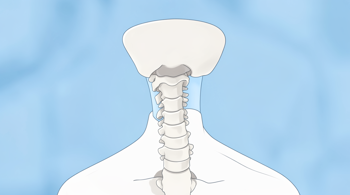
In addition to spinal adjustments, chiropractic management often incorporates soft tissue techniques designed to address muscle tightness at the base of the skull, which are known as the suboccipital muscles 6, 7. These muscles are dense with sensory receptors and, when chronically shortened, often act as primary generators of referred head pain 6. Techniques such as myofascial release and soft tissue therapy are frequently employed to reduce tension in these areas, particularly in patients experiencing localized neck and shoulder tightness 5, 7.
Clinical practitioners emphasize that not every patient receives the same manual treatment. Before any adjustment is performed, a comprehensive physical examination is conducted to assess joint mobility, postural habits, and muscle function 6, 12. This individualized approach is vital, as it allows the practitioner to determine whether mobilization, specific exercises, or postural correction would be more beneficial than direct manipulation for a particular patient's needs 12, 15.
Safety, Risks, and Clinical Limitations
As with any clinical intervention, chiropractic care carries inherent risks that must be considered by both the patient and the practitioner 5, 13. While minor side effects like temporary muscle soreness or stiffness following an adjustment are relatively common, more serious complications, though rare, have been documented in the literature 12, 13. Consequently, the discussion of potential benefits against these risks is a standard component of informed clinical practice 12.
Furthermore, it is critical for patients to recognize that chiropractic care is not appropriate for all types of headache presentations 5, 6. Urgent medical evaluation is necessary for individuals presenting with red-flag symptoms, which may include sudden, severe headaches, fever, confusion, stiff neck, new neurological deficits, or significant changes in a known headache pattern 12, 18. Chiropractors are trained to screen for these indicators during the initial history and physical examination, ensuring that patients requiring neuroimaging or medical referral are directed to the appropriate specialists 1, 6.
Integration with Lifestyle and Behavioral Strategies
The long-term management of tension headaches often requires more than just manual therapy. Consistent with clinical guidelines, a comprehensive approach typically includes patient education, stress management, and physical activity to address the lifestyle factors that trigger or exacerbate symptoms 12, 16, 17. Exercises such as chin-tucks or neck-rotation movements may be recommended to help patients maintain mobility and unload restricted musculature between office visits 7.
By fostering an environment of active recovery, patients are encouraged to take a participatory role in their own care. This often involves monitoring the frequency of medication use, as excessive reliance on over-the-counter pain relievers can sustain a cycle of rebound headaches 3, 7. When combined with consistent ergonomic adjustments and restorative sleep, these behavioral strategies work in tandem with manual care to improve clinical outcomes 12, 15.
Comparative Effectiveness and Research Outlook
Current research regarding the specific efficacy of spinal manipulation for tension-type headaches remains nuanced. While many patients report relief, clinical data often indicates that the evidence for spinal manipulative therapy as a standalone, universal cure is limited 12, 13. Broad institutional findings suggest that individualized, multimodal management plans produce more predictable results than a singular adjustment technique applied uniformly to all patients 6, 14.
As the scientific community continues to study these conditions, the focus remains on standardizing clinical workflows. By adhering to established guidelines, practitioners aim to provide consistent, safe, and effective care. Patients are encouraged to prioritize providers who utilize evidence-based assessment protocols, emphasize the risks and benefits of care, and advocate for an integrated approach involving medical collaboration when necessary 1, 6.
Sources
- Trager, R. J., et al. (2026). Chiropractic management of adults with cervicogenic or tension-type headaches. Journal of Integrative and Complementary Medicine.
- Cochrane Library: Spinal manipulative therapy for the prevention of tension-type headache.
- Lazar, J. (2026). Beyond Pills: Upper Cervical Chiropractic for Tension Headaches.
- Vanguard Chiropractic: Chiropractic Headache Guideline (Trager 2026).
- Verywell Health: Can a Chiropractor Help Treat Headaches and Migraines?
- Axis Therapy: Chiropractic Care for Headaches: Does It Work?
- COSJ Westerville: Chiropractic for Tension Headaches.
- Forward, J. (2026). Tension Headache Relief Without Pills: A Tulsa Chiropractor's Drug-Free Path.
- Unruh Chiropractic & Wellness: How A Chiropractic Adjustment Can Ease Tension Headaches.
- Crist Chiropractic: Can a Chiropractor Help with Tension Headaches? Expert Treatment Guide.
- PubMed: Development of a Clinical Practice Guideline.
- National Center for Complementary and Integrative Health: Spinal Manipulation Risks and Benefits.
- PubMed (PMID: 19440282): Clinical review of spinal manipulative therapy for tension-type headache.
- National Institute for Health and Care Excellence (NICE): Headache disorders management (CG150).
- Mayo Clinic: Tension-type headache diagnosis and treatment.
- Cleveland Clinic: Tension headaches overview.
- World Health Organization: Headache disorders fact sheet.
- American Academy of Family Physicians: Tension-type headache management.
Authored by 24Trendz team