Warning signs of ulcerative colitis: Clinical indicators and diagnostic guidance
Ulcerative colitis (UC) is a chronic inflammatory bowel disease (IBD) that primarily affects the inner lining of the large intestine and rectum 2, 4. As an autoimmune-related condition, it results in the formation of ulcers and inflammation, causing symptoms that often progress from mild to severe over time 4. Recognizing the early warning signs of this condition is critical for clinical management and the prevention of long-term complications, as the disease is characterized by cycles of active flares and periods of remission 1, 2.
Common Gastrointestinal Symptoms and Patterns
The most frequent indicators of ulcerative colitis involve significant changes to bowel habits. Patients often present with persistent diarrhea that may contain visible blood or mucus 1, 2. Rectal bleeding is a hallmark clinical sign that frequently prompts individuals to seek medical evaluation 7. In addition to blood in the stool, individuals may experience tenesmus, a condition defined by a constant, urgent need to have a bowel movement even when the rectum is empty 1. These symptoms often develop gradually, though they can manifest suddenly in some cases 4.
Clinical severity is often categorized by the frequency of daily bowel movements. Mild cases may involve fewer than four bowel movements per day, while moderate to severe cases often exceed four or even ten movements daily, typically accompanied by persistent blood and pus 1, 2. Because the inflammation affects fluid absorption in the colon, patients are at risk for dehydration, which may manifest as dizziness or rapid heartbeat 7, 9. Managing these symptoms requires medical oversight to assess the extent of colonic inflammation 10.
Systemic and Extra-intestinal Manifestations
While gastrointestinal distress is the primary focus, ulcerative colitis can also cause systemic symptoms that affect the entire body. Fatigue is frequently reported, often resulting from chronic inflammation or anemia caused by persistent blood loss 1, 2, 4. Weight loss and a general loss of appetite are common warning signs that indicate the systemic impact of the disease 1, 2. Fever may also develop, serving as a sign of the body's inflammatory response to the condition 1, 3.
In some patients, the impact of the disease extends beyond the digestive tract. These extra-intestinal manifestations can include joint pain, skin lesions, or changes in vision 5, 8. In pediatric populations, specific warning signs such as delayed growth or failure to thrive are often primary indicators for parents and clinicians to consider when evaluating digestive complaints 2, 7. These signs require comprehensive evaluation by a medical professional to differentiate UC from other types of IBD or digestive disorders 2.
Understanding Flares and Remission
The clinical course of ulcerative colitis is rarely static. It follows a predictable pattern of flares-periods of intense inflammation and symptoms-and remission, which are periods where symptoms are significantly reduced or absent 1, 4. These periods of remission can last for weeks or, in some cases, several years 1. The goal of therapeutic intervention is to extend these periods of remission and minimize the frequency and duration of active flare-ups 1, 4.
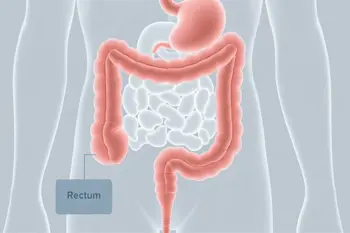
It is important for individuals to track their symptoms to distinguish between a temporary digestive upset and a significant disease flare. Persistent worsening of bowel frequency, increased blood in the stool, or symptoms that interfere with daily functioning and nutrition are indicators that the underlying inflammation may be escalating 8, 10. While lifestyle adjustments may support general health, they are not a substitute for clinical treatment aimed at reducing colonic inflammation 10.
Risk Factors and Genetic Predisposition
The precise cause of ulcerative colitis remains unknown, though researchers point to a combination of genetic, environmental, and immune system factors 1, 2. Data suggests that the condition is more common in individuals who have a first-degree relative-such as a parent, sibling, or child-with inflammatory bowel disease 4. Additionally, the condition is frequently diagnosed in individuals between the ages of 15 and 30, although it can manifest at any age 4.
| Factor | Clinical Note |
|---|---|
| Age of Onset | Commonly 15 to 30 years old |
| Family History | Higher risk with first-degree relatives |
| Genetic Link | Certain genes increase development probability |
| Immune Response | Overactive immune system attacks colon lining |
Research indicates that an abnormal immune reaction in the colon is a primary driver of the disease, often complicated by imbalances in gut bacteria 2, 4. While diet and stress do not cause ulcerative colitis, they may act as triggers that worsen symptoms during a flare-up 8. Understanding these underlying factors helps clinicians tailor long-term care plans for each patient 2.
Complications and Diagnostic Evaluation
Chronic inflammation associated with ulcerative colitis can lead to serious complications if not managed effectively. Anemia, caused by either iron deficiency or chronic disease, is a major concern 4. Additionally, long-term inflammation of the colon increases the risk of colon cancer compared to the general population, which is why ongoing monitoring through procedures like colonoscopy or sigmoidoscopy is standard practice 3, 5.
Diagnostic confirmation typically involves a combination of symptom history, blood tests to check for markers of inflammation, stool tests, and internal visualization through endoscopy 8. Because UC can present similarly to other digestive conditions, such as Crohn's disease, thorough diagnostic testing is necessary to ensure the appropriate management path is followed 2.
When to Seek Emergency Medical Care
While ulcerative colitis is a long-term condition, certain red flags necessitate immediate medical evaluation. Patients should monitor for signs of severe, persistent bleeding, intense abdominal pain that does not subside, high fever, or signs of severe dehydration, such as an inability to keep fluids down 8, 10. These signs could indicate fulminant colitis, an extremely severe form of the disease that requires urgent clinical stabilization 1.
Individuals should work closely with their gastroenterology team to establish an action plan for when symptoms escalate. Early intervention during a flare can often mitigate the severity of the episode and reduce the risk of further damage to the colon lining 10.
Authored by 24Trendz team