Warning signs of ALS: A clinical overview of early diagnostic indicators
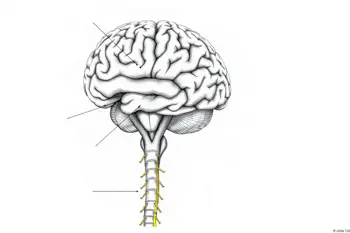
Amyotrophic lateral sclerosis (ALS), historically referred to as Lou Gehrig’s disease, is a progressive neurodegenerative disorder that specifically targets motor neurons within the brain and spinal cord 1. As these nerve cells degenerate and eventually die, the connection between the central nervous system and the muscles is compromised, leading to a steady decline in voluntary muscle control 3. Recognizing the early warning signs of this condition is a complex process, as the initial symptoms are often subtle, varying significantly from person to person, and frequently mimicking other, more common neurological or musculoskeletal conditions 1, 8.
Initial Motor Symptom Manifestations
The hallmark symptom of ALS is progressive muscle weakness, which is typically painless in its early stages 1, 10. For approximately 65% to 75% of patients, the disease manifests as limb-onset ALS, where weakness initially presents in the arms, legs, hands, or feet 11. This often manifests as simple difficulty with fine motor tasks, such as buttoning a shirt, writing with a pen, or holding a common object like a cup 1, 2. In the lower extremities, early signs might include a noticeable clumsiness, frequent tripping, or an unexplained difficulty in climbing stairs or walking, which may eventually progress to a condition known as foot drop 1, 2, 8.
Bulbar-Onset Symptomatic Presentation
Approximately 25% to 35% of individuals receive a diagnosis of bulbar-onset ALS, where the primary nerve degeneration affects the muscles responsible for speaking and swallowing 11. Individuals with this presentation may first notice changes in their speech patterns, such as slurred or slowed articulation, or a nasal quality to their voice 1, 3. Dysphagia, or difficulty swallowing, is another early indicator, often accompanied by the need to adjust eating habits to manage the increasing struggle with solid or liquid foods 2, 3. These bulbar symptoms are distinct from limb-onset and often indicate a more rapid impact on daily quality of life in the initial stages 11.
Neurological and Muscular Indicators
Beyond weakness, patients frequently report involuntary muscle phenomena such as fasciculations-small, twitching movements occurring under the skin-and cramping, particularly within the tongue, shoulders, or limbs 2, 3. These physical manifestations are a direct consequence of the motor neurons failing to transmit signals correctly, leading to muscle atrophy or wasting 3, 6. Furthermore, some individuals may experience a pseudobulbar affect, a condition where the patient exhibits uncontrollable laughing, crying, or other emotional displays that do not necessarily correlate with their internal emotional state 1, 2, 3.
| Symptom Category | Specific Clinical Observations |
|---|---|
| Limb-Onset | Difficulty with fine motor skills, foot drop, tripping, arm fatigue. |
| Bulbar-Onset | Slurred speech (dysarthria), swallowing difficulty (dysphagia). |
| Muscular | Fasciculations (twitching), muscle cramps, atrophy. |
| Emotional | Uncontrollable laughing or crying (pseudobulbar affect). |
Differentiating ALS from Other Conditions
A critical component of understanding ALS is identifying what the disease does not initially affect. Because ALS selectively targets motor neurons, sensory functions such as sight, hearing, taste, smell, and touch generally remain intact 1, 8. Furthermore, eye muscles and bladder control are typically preserved during the early and middle stages of the disease, and many individuals remain mentally alert throughout the duration of the illness 1, 5. The presence of sensory impairment often prompts clinicians to investigate other diagnoses, as these are rarely associated with ALS 8.
Diagnostic Challenges and Clinical Assessment
Because no single, definitive test confirms the presence of ALS, diagnosis is fundamentally based on a comprehensive neurological evaluation and the exclusion of other treatable conditions that mimic its presentation 1, 4. Physicians typically conduct a detailed medical history and a physical examination before utilizing diagnostic tools like electromyography (EMG) and nerve conduction studies to evaluate nerve activity 1, 6. Imaging tests, including MRIs, and various blood or urine laboratory tests are also utilized to rule out other potential causes for muscle weakness or twitching 1, 4.
Disease Progression and Clinical Management
ALS is a progressive disorder, meaning symptoms gradually worsen and spread to additional regions of the body over time 3, 8. As the disease advances, the muscles required for breathing may eventually become affected, necessitating the consideration of ventilatory support 1, 3. While there is no current cure that can reverse the damage to motor neurons, contemporary medical care emphasizes a multidisciplinary approach, including the use of FDA-approved medications that may prolong survival or mitigate the rate of decline, alongside physical therapy and nutritional support to manage daily function 3, 8, 9.
Sources
- ALS Association (als.org)
- Mayo Clinic (mayoclinic.org)
- National Institute of Neurological Disorders and Stroke (ninds.nih.gov)
- Merck Manual Professional Edition (merckmanuals.com)
- Harvard Health (health.harvard.edu)
- MSD Manual Consumer Version (msdmanuals.com)
- NewYork-Presbyterian Health Matters (nyp.org)
- Acibadem Hospitals Group (acibademinternational.com)
- Acibadem Hospitals Group (acibademinternational.com)
- Muscular Dystrophy Association (mda.org)
- ALS News Today (alsnewstoday.com)
Authored by 24Trendz team