Early symptoms of Migraine you should know: A Clinical Guide to Warning Signs
Why migraine symptoms may begin before pain
Early symptoms of Migraine you should know are not limited to head pain. A migraine attack may develop through several phases, including prodrome, aura, headache, and postdrome, although an individual may not experience every phase. The prodrome stage can begin hours or, in some cases, days before the headache, so the earliest clues may feel unrelated to the eventual pain. Recognizing a repeating pattern can help distinguish an approaching migraine from an ordinary headache. 1
Northwell Health describes migraine as a neurological event in which the headache is only one part of the overall episode. During the early stage, some people notice unusual tiredness, hunger, irritability, yawning, or difficulty focusing. These changes may be subtle and are often recognized only after the headache appears. The timing and combination differ between people, but recurring symptoms before pain can form a personal warning pattern. 1
Prodrome signs involving mood, energy, and appetite
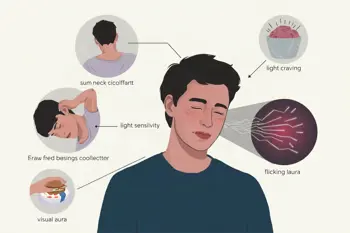
Mood and energy changes are among the commonly reported prodrome symptoms. A person may feel unusually fatigued, irritable, low in mood, restless, or mentally slowed. Food cravings can also occur, sometimes creating the impression that hunger or a dietary choice caused the later headache. These symptoms do not prove that a migraine will follow, but repeated timing before attacks can make them useful observations in a symptom diary. 2
Changes in appetite and automatic body functions may also appear before pain. Mayo Clinic information lists food cravings, increased urination, and frequent yawning among possible prodrome symptoms. Increased sensitivity to light or sound, dizziness, neck pain, and trouble concentrating can occur during the same period. Because these signs can resemble the effects of poor sleep, stress, or dehydration, their significance is greatest when they recur in a recognizable sequence. 2
- Unusual fatigue or repeated yawning
- Irritability or other mood changes
- Food cravings or altered appetite
- Neck discomfort
- Dizziness or difficulty concentrating
- Increased urination or sensitivity to light and sound
Visual and sensory aura symptoms
Aura is a neurological phase that affects a minority of people with migraine. Northwell Health reports that aura affects about 20% of people with migraine, while Mayo Clinic information describes it as affecting about one in four people. Aura generally develops gradually and may last from a few minutes to 60 minutes. It can occur before the headache, during it, or occasionally without headache pain. 1
Visual aura may include flashing or flickering lights, bright spots, zigzag lines, geometric patterns, stars, blurred areas, or a blind spot that slowly spreads across the visual field. Sensory aura can involve tingling or numbness, often beginning in the face or one limb and spreading gradually. These symptoms can be alarming because they affect vision and sensation rather than producing ordinary head pain. 2
| Early feature | What it may feel like |
|---|---|
| Visual aura | Flashing lights, zigzag lines, spots, or spreading blind areas |
| Sensory aura | Tingling or numbness that gradually spreads |
| Language aura | Difficulty finding or expressing words |
Cognitive, language, and sensory changes
Difficulty concentrating or a feeling of mental fog can occur during prodrome and may interfere with reading, conversation, or routine tasks. NewYork-Presbyterian notes that migraine can include brain fog, dizziness, nausea, light sensitivity, and sound sensitivity, reinforcing that migraine is more than a headache disorder. Some people also become unusually sensitive to smells, which can add to nausea or make ordinary environments difficult to tolerate. 3
Language changes can occur as part of aura. A person may struggle to find words, speak clearly, or understand language normally. Although these symptoms can occur with migraine, they can also resemble signs of stroke. A familiar, gradual pattern that resolves within the expected aura period may support a migraine explanation, but a first episode, sudden change, or unfamiliar neurological symptom should not be self-diagnosed. 3
How early symptoms relate to the headache phase
The headache phase commonly involves moderate to severe throbbing pain, often on one side of the head, although pain may affect both sides or involve the face and neck. Movement can worsen the pain, and nausea, vomiting, and sensitivity to light, sound, or smells may accompany it. In adults, the headache stage typically lasts 4 to 72 hours, while attacks in children may last 2 to 72 hours. 2
Not every migraine begins with an obvious warning. NHS inform identifies migraine without aura as the most common type, meaning an attack may begin without visual, sensory, or language changes. Some people experience aura without a subsequent headache, sometimes called silent migraine. This variation means that the absence of early symptoms does not rule out migraine, and the presence of one symptom alone does not establish a diagnosis. 4
When symptoms need urgent medical attention
Urgent assessment is important when neurological symptoms are sudden, severe, unfamiliar, or different from a person’s established migraine pattern. NHS inform advises emergency evaluation for paralysis or weakness affecting an arm, face, or one side of the body; slurred or garbled speech; or a sudden agonizing headache. Headache accompanied by fever, stiff neck, confusion, seizures, double vision, or a rash may indicate a serious condition such as stroke or meningitis. 4
Frequent or severe migraine symptoms also warrant medical discussion, particularly when attacks repeatedly interfere with normal activities. Cedars-Sinai notes that ongoing disruption may require specialized evaluation and targeted treatment. A written record of prodrome timing, aura features, headache duration, associated symptoms, sleep changes, and possible triggers can give a clinician a clearer view of the recurring pattern. Medication decisions should be based on individualized medical guidance rather than on early symptoms alone. 5
Sources
- The Well by Northwell, Migraine Phases: What Happens During an Attack, https://thewell.northwell.edu/brain-nerve-health/migraine-phases
- Mayo Clinic, Migraine: Symptoms, Causes, Triggers and Treatment, https://store.mayoclinic.com/education/migraine-symptoms-causes-triggers-diagnosis-and-treatment/
- NewYork-Presbyterian, Migraine vs. Headache: How to Tell the Difference and When to Get Help, https://www.nyp.org/healthmatters/migraines-understanding-the-causes-symptoms-and-treatment-options
- NHS inform, Migraine, https://www.nhsinform.scot/illnesses-and-conditions/brain-nerves-and-spinal-cord/migraine/
- Cedars-Sinai, What to Do When You Feel a Migraine Starting, https://www.cedars-sinai.org/stories-and-insights/expert-advice/at-home-remedies-for-migraines
Authored by 24Trendz team