Early symptoms of pancreatic disease you should know: A clinical overview of subtle warning signs
Pancreatic disease encompasses a range of conditions, including pancreatitis and pancreatic cancer, both of which often present with symptoms that are difficult to distinguish from common digestive ailments 1, 6. Because the pancreas is located deep within the abdomen, behind the stomach, early-stage issues frequently progress without causing noticeable physical changes, making early detection a significant medical challenge 3, 8. Recognizing persistent or unusual shifts in bodily function is an essential step in seeking timely clinical evaluation 3, 4.
Common Indicators and Jaundice
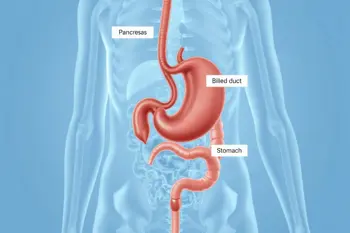
One of the most frequently cited indicators of pancreatic issues is jaundice, which manifests as a yellowing of the skin and the whites of the eyes 2, 3. This occurs when a tumor or inflammation blocks the bile duct, preventing bile from entering the intestines and causing bilirubin to accumulate in the bloodstream 3, 5. Aside from skin discoloration, this condition can lead to dark-colored urine and pale, clay-colored stools 2, 5. Persistent itching of the skin may also serve as an early warning sign even before visible jaundice appears 3.
Persistent Abdominal and Back Pain
Pain that originates in the upper abdomen and radiates toward the mid-back is a hallmark symptom associated with various pancreatic conditions 4, 5. Patients often describe this sensation as a dull, gnawing, or persistent ache that may fluctuate in intensity 4, 5. In the case of acute pancreatitis, this pain can be severe and sudden, often requiring immediate medical intervention 9, 10. Conversely, chronic issues may present with constant, lower-level discomfort that worsens following the consumption of food 9, 10.
Digestive Changes and Nutrient Absorption
The pancreas is responsible for producing vital enzymes for digestion; when its function is impaired, noticeable changes in stool quality and frequency often occur 6, 8. Individuals may experience greasy, foul-smelling stools that are difficult to flush, which indicates that the body is failing to properly break down fats 2, 6, 9. Additional digestive symptoms include persistent bloating, nausea, vomiting, and a general loss of appetite, which can contribute to significant, unexplained weight loss over time 2, 4, 9.
Metabolic and Endocrine Disruptions
Emerging research suggests that sudden changes in blood sugar regulation can be an early indicator of pancreatic disease 2, 9. A new diagnosis of type 2 diabetes, or a sudden difficulty in managing previously stable diabetes, warrants professional investigation, particularly in individuals over the age of 50 who lack traditional risk factors like obesity or family history 2, 9. These metabolic shifts occur because the pancreas is responsible for insulin production, and damage to the organ can directly disrupt glucose control 3, 9.
Risk Factors and Clinical Awareness
Understanding individual risk factors is a vital component of proactive health management 4, 7. Several factors are associated with an increased likelihood of developing pancreatic conditions, including long-term smoking, chronic alcohol consumption, and a family history of the disease 7. Furthermore, those with a history of chronic pancreatitis or specific genetic traits may be at a higher risk and should maintain open communication with healthcare providers regarding any new or changing symptoms 7. Early consultation is recommended for any persistent changes in health 1, 5.
When to Seek Urgent Care
Certain symptoms associated with pancreatic disease require immediate medical attention to rule out life-threatening complications, such as severe infection or significant organ inflammation 9. Emergency evaluation is essential if an individual experiences sudden, unbearable abdominal pain, uncontrollable vomiting, fever, confusion, or a rapid, irregular heartbeat 9, 10. Prompt diagnosis by a healthcare professional remains the most effective way to address these conditions, as early intervention can significantly alter the management strategies available to patients 1, 4, 8.
Sources
- Cleveland Clinic: Signs of Pancreatic Cancer You Should Know
- Fred Hutch Cancer Center: Early Signs & Symptoms of Pancreatic Cancer
- Northwell Health: Pancreatic Cancer Symptoms and Signs You Should Not Ignore
- Pancreatic Cancer Action Network: 7 Pancreatic Cancer Symptoms and Signs You Should Know
- Cancer Research UK: Symptoms of Pancreatic Cancer
- Prevention: 5 Subtle Signs of Pancreas Problems Doctors Say You Should Know
- Roswell Park Comprehensive Cancer Center: What are the warning signs of pancreatic cancer?
- Banner Health: How to Spot Early Signs of Pancreatic Cancer
- National Institute of Diabetes and Digestive and Kidney Diseases: Symptoms & Causes of Pancreatitis
- Mayo Clinic: Pancreatitis Symptoms and Causes
Authored by 24Trendz team