Warning signs of toxic shock syndrome: Clinical indicators and emergency medical guidance
Toxic shock syndrome (TSS) is a rare but life-threatening condition characterized by the rapid progression of severe, systemic symptoms triggered by bacterial toxins 1. Often misidentified as influenza in its initial stages, the condition is caused primarily by toxins produced by Staphylococcus aureus or group A streptococci bacteria 1. Because the syndrome can lead to multiple organ failure and shock within hours, understanding the warning signs is essential for recognizing when to seek emergency medical care 3. This report provides an objective analysis of clinical symptoms, diagnostic considerations, and the underlying mechanisms that necessitate urgent medical attention.
Clinical Manifestations and Initial Symptoms
The onset of toxic shock syndrome is typically sudden and aggressive 3. Patients often present with a high fever, frequently reaching 102°F (38.9°C) or higher, accompanied by chills, muscle aches, and extreme fatigue 3. Gastrointestinal distress is another hallmark of the early stage, manifesting as sudden, persistent vomiting and watery diarrhea 3. These symptoms often develop rapidly, making the distinction between mild viral illnesses and the onset of systemic toxin-mediated shock difficult for patients without clinical evaluation 6.
Beyond general malaise, TSS affects the body's mucous membranes. It is not uncommon for individuals to exhibit conjunctivitis or inflammation of the eyes, alongside redness in the throat or vaginal mucosa 3. A defining characteristic of the syndrome is a diffuse, erythematous rash that often resembles a sunburn 2. In the days following the initial acute phase, some patients may experience desquamation, or peeling of the skin, particularly on the palms of the hands and the soles of the feet 4.
Physiological Impact and Progression to Shock
The primary concern during an episode of toxic shock syndrome is the rapid drop in blood pressure, a condition known as hypotension 2. This drop in blood pressure is what leads to the clinical state of shock, which can cause severe physiological disturbances including dizziness, fainting, and profound confusion 3. Because the toxins produced by the bacteria act as superantigens, they trigger an overwhelming immune response that can result in the failure of multiple organ systems simultaneously 7. Monitoring for reduced urine output or difficulty breathing is critical, as these may signal that internal organs are struggling to maintain function 3.
| Symptom Category | Specific Clinical Indicators |
|---|---|
| Systemic | High fever, chills, severe muscle aches, weakness |
| Dermatological | Sunburn-like rash, eventual skin peeling |
| Neurological | Dizziness, confusion, fainting |
| Gastrointestinal | Vomiting, watery diarrhea |
| Mucosal | Redness of eyes, mouth, throat, or vagina |
Broadening the Risk Profile: Beyond Menstruation
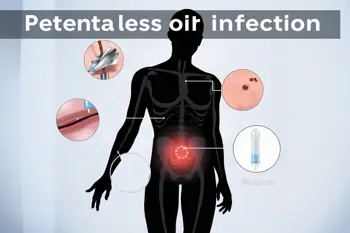
While public awareness of TSS is historically rooted in the use of superabsorbent tampons, the condition is not restricted to individuals who menstruate 3. Clinical data confirms that TSS can occur in anyone, regardless of gender or age, provided there is an entry point for bacteria 7. Any disruption to the skin barrier, such as surgical wounds, deep cuts, insect bites, or burns, can serve as a site for bacterial colonization and toxin production 3. Consequently, post-surgical patients or those recovering from localized infections must remain vigilant for systemic warning signs 6.
Other intravaginal devices, including menstrual cups, contraceptive diaphragms, cervical caps, and intrauterine devices, have also been associated with the development of staphylococcal TSS 2. Regardless of the specific trigger-whether a tampon or a post-operative wound-the underlying pathology remains the same: bacteria residing on a surface or within an infected tissue release toxins into the bloodstream 3. Removing a device like a tampon is a necessary step, but it does not treat the established toxic reaction and should never be a substitute for seeking immediate hospital-level medical care 3.
Diagnostic Processes and Medical Oversight
Diagnosis of toxic shock syndrome is primarily clinical, relying on the physical examination and the presence of the classic symptom cluster 1. Because there is no single test that can identify the syndrome in isolation, clinicians use the patient's history and symptoms to rule out other conditions like sepsis or severe systemic infections 8. Doctors typically perform cultures from the suspected site of infection to identify the specific strain of Staphylococcus aureus or group A streptococci 1.
Prompt treatment is a fundamental component of managing TSS and involves intensive support, often requiring hospitalization in an intensive care unit 2. Interventions focus on stabilizing blood pressure with intravenous fluids, providing antibiotics to address the bacterial source, and in some cases, utilizing intravenous immune globulin to counteract the effects of the toxins 2. Surgical intervention may be necessary if an abscess or infected wound is identified, as the source of the infection must be cleaned or removed to stop the production of further toxins 1.
Long-term Considerations and Recovery
Survival and recovery from toxic shock syndrome can vary significantly depending on the severity of the initial illness. While many recover with aggressive early treatment, the condition can result in long-term complications if multiple organ systems are damaged 3. Reported long-term effects include ongoing fatigue, cognitive challenges such as brain fog or memory issues, and neurological or coordination impairments 9. Managing these sequelae often requires a multidisciplinary approach involving specialized medical support.
Understanding that these outcomes are possible underscores the necessity of public awareness. For many individuals, the realization that symptoms like muscle weakness or confusion can be linked to a past infection is critical to accessing appropriate care. While the statistical frequency of TSS remains relatively low, the severity of its potential impact necessitates a cautious, informed approach toward sudden, high-fever illnesses, particularly when accompanied by a characteristic rash or physiological shock 2.
Preventative Realities
Preventative strategies focus primarily on mitigating the risk of bacterial overgrowth. For menstrual hygiene, this includes changing tampons, cups, or other devices frequently and opting for lower absorbency options 1. For surgical or wound-related contexts, proper hygiene and prompt medical attention to signs of infection in skin wounds, burns, or surgical sites remain the standard of care for minimizing the potential for systemic complications 6. Consistent monitoring of recovery progress after any surgical procedure is a recognized best practice for identifying early warning signs 7.
Sources
- https://www.msdmanuals.com/home/infections/bacterial-infections-gram-positive-bacteria/toxic-shock-syndrome
- https://www.merckmanuals.com/professional/infectious-diseases/gram-positive-cocci/toxic-shock-syndrome-tss
- https://healthcare.utah.edu/healthfeed/2026/03/protect-your-health-avoiding-toxic-shock-syndrome
- https://www.shvic.org.au/for-you/sexual-health-conditions-and-disorders/tss-toxic-shock-syndrome/
- https://tampax.com/en-us/period-health/toxic-shock-syndrome-causes-treatment/
- https://acibademinternational.com/health-library/toxic-shock-syndrome-symptoms-causes-and-treatment-options/
- https://www.acibademhealthpoint.com/cat/health-library/toxic-shock-syndrome/
- https://en.wikipedia.org/wiki/Toxic_shock_syndrome
- https://www.bbc.com/news/articles/ckg8e4r0zmeo
- https://cormedcare.com/toxic-shock-syndrome-tss/
Authored by 24Trendz team