Warning Signs of Type 2 Diabetes: Clinical Insights and Symptom Identification
Type 2 diabetes represents a chronic condition characterized by the body’s inability to properly utilize or produce sufficient insulin, leading to persistent hyperglycemia 1. As the most prevalent form of diabetes, it accounts for approximately 90% to 95% of all diagnosed cases in the United States 7. Because the condition often develops gradually over several years, many individuals remain asymptomatic in the early stages, frequently leading to delayed diagnosis 4. Approximately 25% of individuals living with diabetes are unaware they have the condition, highlighting the importance of regular clinical screening 9.
Metabolic Mechanisms of Symptom Development
The core dysfunction in type 2 diabetes involves insulin resistance, where cells fail to respond appropriately to the hormone responsible for facilitating glucose uptake 2. When the pancreas can no longer compensate by producing additional insulin, blood glucose levels rise, resulting in systemic hyperglycemia 2. This physiological imbalance creates secondary metabolic issues, such as the body attempting to purge excess sugar through urine, which results in the classic clinical indicators of polydipsia and polyuria 9. Without cellular access to glucose, the body may begin to catabolize fat and muscle tissue for energy, which can contribute to unintended weight changes 3.
Primary Indicators and Clinical Observations
Clinical identification of type 2 diabetes frequently involves monitoring for a cluster of symptoms that reflect the body’s inability to manage blood sugar regulation. While some individuals may experience no noticeable signs, others report specific physical manifestations as the condition progresses 5. Common clinical markers observed by healthcare professionals include the following:
- Increased frequency of urination (polyuria), particularly during nighttime hours 4.
- Persistent, excessive thirst (polydipsia) caused by fluid loss through frequent urination 9.
- Heightened hunger (polyphagia), resulting from the body’s inability to convert food intake into usable cellular energy 3.
- Chronic fatigue and weakness, as glucose remains in the bloodstream rather than fueling cellular processes 8.
- Blurred vision, often caused by fluid shifting into the lenses of the eyes due to high osmotic pressure from blood sugar 6.
Dermatological and Peripheral Neurological Signs
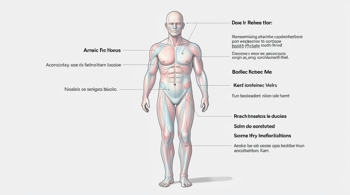
Beyond systemic symptoms, certain physical indicators can provide insight into the metabolic state of a patient. Acanthosis nigricans, characterized by the appearance of dark, velvety patches of skin typically found in the armpits or neck folds, is recognized as a physical manifestation of underlying insulin resistance 6. Furthermore, prolonged elevation of blood glucose can impair nerve function, leading to neuropathy. This condition manifests as tingling, numbness, or pain in the hands and feet, which serves as a significant clinical warning sign of long-term metabolic dysregulation 5.
Immune System Impairment and Healing
Hyperglycemia is known to suppress immune system function and impair microvascular circulation, which directly impacts the body’s ability to repair tissue 6. Consequently, individuals with undiagnosed type 2 diabetes may notice that minor cuts, bruises, or skin ulcers require an abnormally long time to heal 4. Additionally, the presence of excess sugar in the blood and urine can provide a medium for microbial growth, leading to recurring infections such as yeast infections, skin conditions, or urinary tract infections 3. These frequent, persistent infections often warrant investigation into a patient’s blood glucose profile.
Risk Factors and Demographic Correlations
While the condition can affect individuals of any age, including children and adolescents, the probability of developing type 2 diabetes increases with age, particularly after the age of 45 1. Other non-modifiable factors include family history and genetic background; individuals of South Asian, Chinese, African-Caribbean, or Black African descent may face an elevated risk at younger ages 4. Modifiable factors, such as physical inactivity, obesity, and a history of gestational diabetes, also play critical roles in the progression toward insulin resistance 2.
The Importance of Professional Screening
Given that symptoms of type 2 diabetes are often subtle or nonexistent until complications have already begun to emerge, medical guidelines emphasize the necessity of formal screening 5. Healthcare professionals diagnose diabetes through specific blood tests, such as the A1C test or fasting plasma glucose measurement, which can differentiate between normal levels, prediabetes, and established diabetes 5. Identifying the condition early is fundamental to preventing severe long-term complications, including cardiovascular disease, nephropathy, retinopathy, and nerve damage 6. Consultation with a primary care provider remains the only definitive method for managing metabolic health and determining whether intervention is necessary 9.
Sources
- National Institute of Diabetes and Digestive and Kidney Diseases (NIDDK)
- MedlinePlus (U.S. National Library of Medicine)
- American Diabetes Association
- NHS inform (Scotland)
- National Institute of Health and Development (NIHD)
- Merck Manuals (Consumer and Professional Versions)
- Cleveland Clinic
- UNC Health Talk
- MD Anderson Cancer Center
- Mayo Clinic
Authored by 24Trendz team