Flattering lingerie essentials for every body shape: A fit and proportion report
Flattering lingerie essentials for every body shape begin with comfort, accurate fit, and personal preference rather than a single visual ideal. This guide reviews bras, briefs, bodysuits, fabrics, and support features through the five commonly discussed silhouettes: hourglass, pear, rectangle, apple, and inverted triangle.
Body shape is a styling guide, not a rule
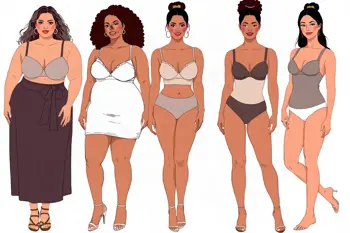
Body-shape categories describe relationships among the shoulders, bust, waist, and hips. The commonly referenced groups include hourglass figures with balanced bust and hip proportions, pear shapes with fuller hips, rectangular frames with less waist definition, apple shapes with more fullness through the torso, and inverted triangles with broader shoulders relative to the hips. These categories overlap, and many people show characteristics of more than one shape. 1
The practical value of a shape guide is comparison, not correction. Lingerie should work with natural proportions and daily needs, whether the priority is lift, coverage, smoothing, leg lengthening, or visual balance. A style described as flattering is not universally flattering, because breast volume, torso length, skin sensitivity, mobility, and clothing choices can matter more than a broad label. Individual measurements should therefore take precedence over shape classification, particularly for curvier bodies. 1
The fitted bra remains the foundation
A well-fitting bra starts with a band that sits level around the torso and remains firm without restricting breathing. The cups should contain breast tissue without cutting in, gaping, wrinkling, or allowing overflow, while the wires, when present, should surround the breast rather than rest on it. Straps are part of the adjustment system, but they should not carry the entire weight of the bust. 6 7 9
Measurements usually involve the underbust and the fullest part of the bust, followed by comparison with a brand-specific size chart. The scoop-and-swoop method can help place breast tissue inside the cups before evaluating fit. If the cup volume appears suitable but the band feels wrong, sister sizes may offer an alternative proportion. Fit can change with weight fluctuation, age, hormonal changes, and repeated laundering, so reassessment is part of lingerie maintenance. 6 10
Supportive choices for fuller busts
Fuller busts generally benefit from construction that distributes weight across the cup and band. Three-part or seamed cups, wider straps, reinforced bands, and full-coverage balconette designs can provide more stability than lightly structured triangle bras. A longline bra extends farther down the torso and may add support and smoothing, while a structured bustier or corset can provide additional shaping for certain garments. 1 2
The objective is not maximum compression. A supportive bra should allow the wearer to move, breathe, and sit comfortably without wire pressure or persistent strap digging. Bodysuits and high-rise briefs can provide torso coverage, but their leg openings and gussets still need to lie flat. Separate sizing for bras and briefs is useful because bust and hip measurements do not always correspond to the same size. 2 8
Matching silhouettes with proportions
Hourglass proportions can be highlighted by matching sets with a defined waist, classic balconette bras, and high-waisted briefs. Pear-shaped bodies may appear more visually balanced with detailed or printed upper pieces and high-cut briefs that expose more of the leg line. For rectangular or athletic frames, lace, mesh panels, cutouts, strappy details, and padded or push-up cups can introduce visual dimension when that effect is wanted. 1
Apple-shaped bodies may find longline bras, supportive bodysuits, high-rise briefs, ruching, and structured panels useful for comfortable torso coverage. Inverted triangle proportions can be approached through styles that add visual interest or volume around the hips, although the choice depends on personal preference rather than a requirement to create balance. Across all silhouettes, flexible stretch materials and adjustable closures can accommodate normal differences between body measurements. 1
Briefs, bodysuits, and everyday comfort
Brief selection depends on coverage, clothing, and tolerance for pressure at the waist and legs. Full briefs provide greater coverage, while bikini and hipster cuts sit lower on the body. High-rise briefs can offer a smoother transition across the waist and torso, and high-cut legs can create a longer visual line. Thongs may reduce visible lines under some garments, but they are not inherently more flattering or comfortable for every wearer.
A properly fitted brief should lie smoothly against the body without digging into the waist or leg openings. Breathable, moisture-managing fabrics are relevant for daily wear, and cotton-lined gussets are a practical feature for next-to-skin underwear. Seamless edges can reduce visibility beneath close-fitting clothing, while power mesh and structured panels may provide smoothing without requiring a rigid garment. Any rolling, pinching, chafing, or persistent dampness indicates that another size, cut, or fabric may be more suitable. 10
Fabric, occasion, and maintenance realities
Fit should be assessed before fabric, occasion, and aesthetic details. A daily T-shirt bra serves a different function from a strapless bra, a lace bralette, or a special-occasion bodysuit. Soft stretch lace and mesh can offer flexibility and decorative texture, while microfiber and seamless construction are commonly associated with a smooth appearance under fitted clothing. Fabric sensitivity matters because lingerie remains in prolonged contact with the skin. 4
Maintenance affects fit and service life. Care guidance in the research recommends handwashing when possible, or a cold delicate cycle in a laundry bag, followed by laying intimates flat to dry. High heat, harsh handling, and unsuitable detergents can affect elastic recovery, molded cups, lace, and bonded edges. The main risks in lingerie selection are incorrect measurements, incompatible construction, restricted movement, and relying on body-shape labels instead of checking the band, cups, gusset, waist, and leg openings directly. 4 5
Sources
- MyAdira, Women's Body Shape Guide: How To Choose The Best Lingerie
- Boux Avenue, The Most Flattering Lingerie for Your Body Type
- Argus Apparel, Types of Lingerie Every Woman Should Know
- Journelle, Lingerie 101: A Beginner's Guide to Styles, Fit, and Fabrics
- Gooseberry Intimates, Confidence Lingerie: How What You Wear Underneath Shapes Your Mood
- ThirdLove, Bra Size Guidance
- Wacoal, Bra Fit Guide
- Bravissimo, Bra Fitting Guide
- HerRoom, Bra Fitting Guide
- Healthline, How to Measure Your Bra Size
Authored by 24Trendz team