Several budget-friendly ways to buy smartphones: A consumer cost and risk analysis
Several budget-friendly ways to buy smartphones involve more than comparing the advertised handset price. Buyers can consider outright purchases, refurbished and used devices, previous-generation models, open-box inventory, trade-in credits, prepaid arrangements, and installment financing. Each method changes the balance among upfront cost, carrier flexibility, warranty coverage, software longevity, credit requirements, and the total amount paid over time.
Paying upfront and choosing an unlocked phone
Buying a phone outright from a manufacturer or other supplier can reduce long-term commitments because the device is not attached to a carrier installment agreement. A current example illustrates the difference between handset cost and service cost: the base iPhone 17 was listed at $799, while selecting an option that preserved carrier flexibility raised the stated price to $829. 1 An unlocked phone can also avoid carrier-specific software and allows a buyer to change providers when coverage or pricing changes.
The tradeoff is that the entire device cost is due at purchase, and service must be budgeted separately. A carrier comparison can appear less expensive because the monthly figure combines the phone and wireless line. In the cited iPhone 17 example, Verizon's 36-month arrangement totaled $2,809.80 before promotions, activation charges, and other one-time fees, while T-Mobile's reported 24-month total was $2,030.16 including a $50 monthly line charge. 1 Comparing phone cost and service cost separately provides a clearer ownership calculation.
Refurbished and used smartphones
Refurbished phones can provide older premium hardware at a lower total purchase price than current flagship models. Manufacturer refurbishment programs from Apple and Samsung are described as offering warranties comparable to new devices, while other certified programs inspect devices and may include defined return periods or limited warranties. 9 10 The condition of the battery, screen, charging port, cameras, and biometric sensors remains important, because cosmetic grading does not always describe every component's future performance.
Used-device marketplaces create additional choice but introduce transaction and verification risks. How-To Geek reports purchasing phones through Swappa, eBay, and an open-box Best Buy channel, while noting that reputable platforms have processes for addressing scams. 5 Swappa states that its marketplace rules prohibit broken or blacklisted devices, and Gazelle describes a 30-point inspection process for pre-owned phones. 10 Buyers should confirm the return policy, warranty duration, carrier compatibility, reported battery condition, and whether the device is blocked by an account or network before treating a listing as suitable.
Previous-generation and entry-level models
Previous-generation flagships often retain strong processors, displays, cameras, and storage while costing less than newly released models. How-To Geek describes the release of a new Pixel generation as a logical point to consider the prior Pixel model or its lower-tier companion, because the hardware gap may be modest while the price difference can be substantial. 4 CNET similarly identifies older models such as the iPhone 13 and Galaxy S22 as having a strong price-to-performance relationship compared with current-year phones. 11
Phones priced around $100 demonstrate what entry-level hardware currently includes and omits. Engadget reports that such devices can provide a touchscreen, Android applications, Wi-Fi, Bluetooth, GPS, a rear camera, and a usable battery, while compromises may include slower performance, lower-resolution displays, weaker cameras, basic materials, and limited software support. 3 Fully unlocked options may use 720p LCD panels and limited storage, whereas prepaid arrangements can sometimes include 5G, FHD+ AMOLED displays, 128GB of storage, and multiple cameras, usually with greater provider dependence.
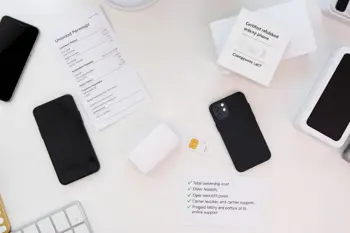
Open-box phones and retail channels
Open-box smartphones are typically customer returns or store-handled products that may remain in like-new condition. Best Buy describes its open-box electronics process as involving functional testing before resale, although the exact condition, included accessories, packaging, and warranty terms can vary by item. 12 This category can sit between new and refurbished inventory, so the label alone does not establish battery health, activation status, or the remaining manufacturer warranty.
Retailer reliability and documentation are central safeguards. A buyer should distinguish an open-box device sold and supported by a retailer from a private-party listing with limited recourse. The written terms should identify the return window, restocking conditions, warranty provider, cosmetic grade, and compatibility with the intended network. Target and similar loyalty programs may attach gift-card incentives or member pricing to electronics purchases, but such benefits should be valued only after the handset's full cost, required service, and any restrictions are calculated. 13
Trade-ins, prepaid service, and carrier credits
Trade-in programs exchange an older device for account credit, store credit, or a reduction in the financed balance. Carriers including Verizon use promotional trade-in credits that lower the net handset cost over extended contracts, but the credit is generally distributed over monthly bills rather than delivered as an upfront reduction. 14 Eligibility may depend on the model, condition, plan, trade-in value, and continued service, so leaving the arrangement early can affect the remaining balance.
Prepaid service and an unlocked phone can reduce credit-related barriers. Finder reports that prepaid plans may allow a buyer to bypass a credit check, while other paths for limited or no credit can include a security deposit, cosigner, or family plan. 2 The central friction point is flexibility: a subsidized or credited phone may require a specific carrier, qualifying plan, or contract period. Service coverage, taxes, activation charges, and plan changes therefore belong in the comparison, not just the handset's advertised monthly amount.
Installment financing and total ownership risk
Installment financing is available through carriers, manufacturers, retailers, buy-now-pay-later providers, and personal lenders. Gerald's 2026 comparison describes carrier plans lasting 24 to 48 months, with 0% annual percentage rates for qualified customers, while manufacturer financing may provide an unlocked device and BNPL rates can range from 0% to 36%. 8 Approval, down-payment requirements, credit checks, fees, and late-payment consequences differ substantially by provider.
Financing can make a handset fit a monthly budget while increasing the risk of paying for a device longer than it remains useful. Finder notes that carrier, retailer, or manufacturer financing may be especially favorable when a trade-in is available, but personal loans and credit cards can become more expensive alternatives. 2 Before accepting an installment arrangement, the relevant calculation is the sum of every device payment, interest or lease fee, required service charge, activation cost, insurance cost, and accessory charge, followed by a check of software support for the planned two-to-four-year ownership period. 6
Sources
- BGR, “Plan Vs. Upfront: Which Is The Cheaper Way To Buy A New Phone?”
- Finder, “7 ways to finance a cell phone”
- Engadget, “What does a $100 smartphone get you in 2026?”
- How-To Geek, “You Should Shop for Phones Like You Shop for a Car”
- How-To Geek, “Insider tips for buying used phones safely”
- Gadget Hacks, “How to Buy a New Smartphone: A 2026 Decision Framework”
- Mint, “Your next phone is getting pricier. Here’s how to buy smart”
- Gerald, “How to Get a Phone on an Installment Plan: Your Complete 2026 Guide”
- Apple, Certified Refurbished
- Swappa, Back Market, and Gazelle marketplace information
- CNET, “Best cheap phones”
- Best Buy, Open-Box Electronics
- Target, Electronics Deals and loyalty information
- Verizon, device trade-in and carrier credit information
Authored by 24Trendz team