Warning signs of high blood pressure: Clinical facts, symptoms, and when to seek care
Why high blood pressure is often silent
High blood pressure, or hypertension, is the force of blood against artery walls when the heart pumps. It is commonly called a “silent killer” because most people do not notice symptoms, even while persistently elevated pressure damages blood vessels and organs over time. A person may feel completely well and still have an unhealthy reading, so physical sensations cannot reliably confirm or exclude hypertension. 1
Routine measurement is the primary way to detect the condition before complications develop. Screening may occur during a primary-care visit, medical examination, pharmacy check, or home monitoring. People with diabetes, kidney disease, or a family history of hypertension may require more frequent monitoring because these factors are associated with increased risk. 3
Possible warning signs when pressure is very high
Symptoms are more likely when blood pressure becomes extremely high or begins affecting organs. Reported warning signs can include a severe headache, blurred or changing vision, chest pain, shortness of breath, confusion, dizziness, or difficulty speaking. These symptoms are not unique to hypertension, and their presence does not establish the cause, but they warrant medical assessment rather than being dismissed as an ordinary fluctuation. 6
Nosebleeds, facial flushing, irregular heartbeats, intense anxiety, and blood in the urine have also been associated with severe hypertensive states in clinical guidance and health references. Nosebleeds are not a standard symptom of ordinary, uncomplicated hypertension, and fatigue or trouble sleeping is nonspecific. The central point is that symptoms are unreliable, particularly during the long period when high pressure is silently harming the body. 10
How blood pressure readings are classified
Blood pressure is recorded in millimeters of mercury using two numbers. The systolic number is the pressure when the heart contracts, while the diastolic number measures pressure between heartbeats. For nonpregnant adults, a reading below 120/80 mm Hg is considered normal. Elevated pressure is listed as 120/80 to 129/79 mm Hg, stage 1 hypertension as 130/80 to 139/89, and stage 2 hypertension as 140/90 or higher. 2
A single reading does not necessarily diagnose chronic hypertension because blood pressure changes during the day and from one day to another. Health references describe diagnosis as readings that remain at or above 130/80, generally confirmed on separate occasions. Repeated high measurements should be discussed with a healthcare professional, even when there are no symptoms, because long-term risk depends on sustained pressure and other health factors. 4
When a high reading may indicate an emergency
A blood pressure reading of 180/120 mm Hg or higher is considered a hypertensive crisis range. If that reading occurs with chest pain, breathing difficulty, severe headache, vision changes, confusion, weakness, or difficulty speaking, the situation may represent a medical emergency involving possible organ damage. Emergency medical care is appropriate for these symptoms rather than relying on rest or waiting for them to pass. 10
Very high pressure without symptoms still requires prompt medical guidance because the distinction between a serious elevation and an emergency depends on the reading, symptoms, medication history, and evidence of organ effects. Severe headache, chest discomfort, neurological changes, and visual disturbance are particularly important signals. Blood pressure should be measured correctly and repeated according to clinical advice, but a concerning symptom should not be explained away solely by an earlier normal reading. 6
Organs affected by uncontrolled hypertension
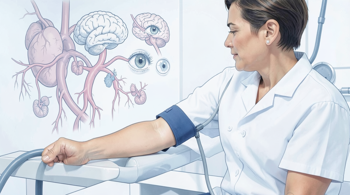
Untreated hypertension places continuing strain on the heart and arteries. Over many years, it raises the risk of heart attack, heart failure, stroke, kidney damage, and problems affecting the eyes. Persistent pressure can also contribute to stiffened or narrowed arteries and peripheral artery disease, in which reduced blood flow affects the arms or legs. These outcomes may develop gradually without an obvious early warning sign. 5
The brain, kidneys, heart, eyes, and the wider arterial system are among the organs that may be damaged. Kidney problems can in turn complicate blood-pressure control, while cardiovascular injury may remain hidden until a major event occurs. This progression explains why preventive screening matters even for adults who have no headache, dizziness, or other physical complaint. 2
Risk factors and practical monitoring
Risk factors identified in the supplied clinical material include older age, family history, excess sodium intake, obesity, stress, diabetes, kidney disease, and low physical activity. High blood pressure can occur at any age, and reports indicate that prevalence among people in early to mid-adulthood has been rising globally. Risk factors do not prove that a person has hypertension, but they support regular discussion and measurement with a healthcare team. 3
Management commonly combines healthier eating patterns, reduced salt intake, physical activity, weight loss when appropriate, limiting alcohol, and stopping smoking, with medication when prescribed. Medicines may include more than one blood-pressure drug, and treatment should continue as directed even when a person feels well. Regular readings and follow-up appointments help determine whether pressure is controlled and whether the care plan needs adjustment. 1
Sources
- Merck Manual Consumer Version, “Quick Facts: High Blood Pressure”
- Harvard Health, “High Blood Pressure (Hypertension)”
- Mayo Clinic News Network, “High blood pressure can happen at any age”
- UC Davis Health, “Blood pressure basics”
- Scripps Health, “What to Do If You Have High Blood Pressure”
- Acibadem Hospitals Group, “High Blood Pressure Symptoms: When To Seek Care”
- Saint Joseph Health System, “Signs and Symptoms of High Blood Pressure”
- Liv Hospital, “High Blood Pressure Symptoms: Warning Signs”
- The Times of India, “Silent Signs of Hypertension”
- HealthVetted, “High Blood Pressure: Symptoms, Causes & Treatment”
Authored by 24Trendz team