Cruise to Mexico from Galveston: An Analytical Overview of Gulf Coast Sailings
The Growth and Scope of Galveston as a Cruise Hub
The Port of Galveston has evolved into the primary cruise embarkation point for the Gulf of Mexico, currently serving over one million passengers annually 1. Its geographic positioning makes it a strategic choice for millions of travelers throughout the South and Midwest, functioning as a significant drive-to port 3. The facility operates three distinct cruise terminals to manage the substantial volume of traffic, with specific infrastructure improvements designed to accommodate the world's largest vessel classes 3, 11. This growth has shifted the region from a regional port to a major international cruise gateway.
For those arriving by air, connectivity is primarily facilitated through Houston's two major aviation hubs. Houston Hobby Airport (HOU) typically requires a 45 to 60-minute transit to the cruise terminals, while George Bush Intercontinental Airport (IAH) generally involves a 75 to 90-minute commute 4, 11. The convenience of these transit options, combined with the port's capacity, supports a robust year-round schedule, though peak seasonal demand remains aligned with summer months and major holidays 11.
Cruise Lines and Vessel Infrastructure
Galveston hosts several major international cruise lines, each utilizing the port's expanded terminal facilities to serve Western Caribbean and Mexican itineraries 11. Carnival Cruise Line maintains a dominant presence, often homeporting multiple ships year-round to cater to the high volume of regional travelers 3. Royal Caribbean International has significantly increased its investment in the region, operating large-scale vessels such as those from the Oasis class out of a dedicated terminal facility 3, 11. These ships are among the largest in the world, allowing for a high density of passengers and extensive onboard amenities 11.
In addition to these primary carriers, other operators maintain seasonal or periodic presence in Galveston, including Disney Cruise Line and MSC Cruises 3. These lines often schedule voyages during peak spring and fall windows to align with family vacation trends 3. The operational infrastructure is divided across specific terminals, with Carnival typically operating from designated zones while newer, larger ships for lines like Royal Caribbean are serviced by updated terminal technology designed for rapid embarkation and logistics management 3, 11.
Typical Itinerary Patterns to Mexico
Sailings from Galveston to Mexico generally focus on the Western Caribbean, with itineraries ranging from brief four-day excursions to comprehensive seven-day voyages 4, 11. Three-day cruises are also available, often appealing to travelers seeking short-duration vacations with two full sea days and a single port call 4. Regardless of the voyage length, the itineraries are structured to maximize time at sea and include essential port stops within the Yucatan Peninsula and the surrounding Caribbean islands 4.
The most frequently visited port of call is Cozumel, chosen for its deep-water port infrastructure and capacity to handle large passenger volumes 5, 11. Other common Mexican destinations include Costa Maya and Progreso 5, 11. These ports offer a variety of shore-based activities, such as exploring historical Mayan ruins, engaging in marine recreation, or visiting local cultural sites 5, 6. The selection of these ports is subject to adjustment based on operational variables such as weather patterns or port safety protocols 2.
Logistics and Travel Documentation Requirements
Cruising from Galveston requires strict adherence to travel documentation standards. While the port is located within the United States, passengers must present valid travel documents for international entry into Mexico 2. For closed-loop cruises, which begin and end at the same U.S. port, travelers typically require a valid passport or an approved WHTI-compliant alternative document, such as an enhanced driver’s license 11. It is standard procedure for cruise lines to mandate that passengers verify their documentation well in advance of their departure date to prevent boarding issues.
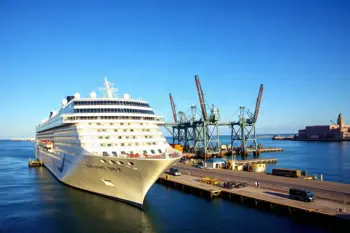
Beyond documentation, port logistics such as parking and pre-cruise stays are significant considerations. Many travelers choose to arrive in Galveston one day prior to departure to mitigate the risk of flight delays or road traffic congestion 3, 5. The city provides various hospitality options ranging from historic hotels in the Strand District to larger properties along the Seawall, all of which are situated within close proximity to the cruise terminals 2, 5. Parking is available directly at the port, with specific zones assigned according to the cruise line and terminal used for departure 3, 7.
Onboard Experience and Amenities
The cruise experience from Galveston is defined by the diverse array of amenities present on the ships that serve the port. Modern vessels typically feature a wide range of dining options, from specialized steakhouses and casual fast-casual outlets to themed international cuisine 1. Recreational facilities often include expansive water parks, supervised youth clubs, and dedicated retreats for adults, such as spas and quiet sunbathing areas 1. The variety of these features is designed to accommodate a broad demographic, including families, couples, and individual travelers 1, 3.
Entertainment programs are another core component of these sailings, with many ships offering nightly theater performances, live music venues, comedy clubs, and themed lounges 1. Because the majority of short-duration cruises spend a significant percentage of time at sea, the ships are designed to function as self-contained destinations. Passengers often focus on these onboard features during the journey between Galveston and their Mexican port destinations, making the ship's specific amenities a critical factor in the planning process 4.
Regulatory Oversight and Operational Realities
Cruising involves complex regulatory oversight, ensuring both passenger safety and environmental compliance. Ships operating from the Port of Galveston are subject to U.S. Coast Guard inspections, which evaluate everything from fire safety systems to emergency evacuation protocols. Furthermore, the Port of Galveston itself operates under stringent security measures, including restricted terminal access and mandatory screening procedures for all passengers and luggage. These regulations are designed to maintain high security standards across the cruise industry 3, 7.
Travelers should also be aware that itineraries are never guaranteed. Factors such as severe weather, specifically during hurricane season in the Gulf of Mexico, can necessitate sudden course changes or the cancellation of port calls 2. Cruise lines maintain operational flexibility to ensure passenger safety, which may result in a ship visiting an alternative port or spending additional time at sea. Understanding these operational realities is essential for maintaining realistic expectations regarding the specific destinations visited during a voyage 2.
Sources
- Carnival Cruise Line - 5-Day Western Caribbean Itinerary Data
- Royal Caribbean International - Cruise Overview and Documentation Requirements
- CruiseKick - Guide to Galveston Ports and Infrastructure
- Cruise Critic - Analysis of Short-Duration Sailings from Galveston
- The Cruise Nexus - Port and Hotel Logistics Information
- Galveston Cruises - Regional Port Destinations and Excursions
- Port of Galveston - Official Passenger Services and Terminal Information
- U.S. Customs and Border Protection - Travel Documentation Guidelines
- Cruise Industry News - Economic Impact and Volume Statistics
- The Points Guy - Shore Excursion Profiles for Mexican Ports
- General Industry Data - Operational and Logistical Overview of Galveston Cruises
Authored by 24Trendz team