Early symptoms of endometriosis you should know: A clinical overview of diagnostic indicators
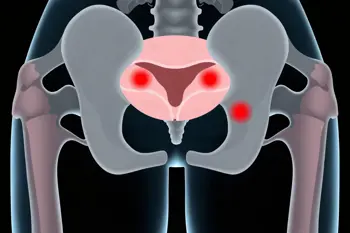
Endometriosis is a complex, chronic inflammatory condition where tissue similar to the uterine lining grows outside the uterus, potentially affecting the ovaries, fallopian tubes, and pelvic organs 29. While approximately 10% of women of reproductive age are affected, clinical reports suggest that a significant number of cases remain misdiagnosed for years 411. Recognizing the subtle, often evolving nature of these early symptoms is essential for individuals seeking to differentiate normal menstrual discomfort from underlying pathology 25.
Common Clinical Indicators and Pain Patterns
The primary symptom most frequently reported is pelvic pain, which often presents as severe cramping that persists before and throughout the menstrual cycle 16. Unlike typical menstrual cramps, endometriosis-related pain is often described as stabbing, aching, or a deep sense of heaviness that may resist over-the-counter pain medications 37. A 2015 study focusing on adolescents found that 64% experienced painful menstrual cycles, suggesting that symptoms may manifest early in reproductive life 1. This pain is frequently progressive, meaning it may intensify over time rather than remaining stable 8.
Gastrointestinal and Urinary Symptoms
Endometriosis can affect areas beyond the reproductive organs, including the bladder and bowel, leading to distinct symptoms that often mimic other conditions such as irritable bowel syndrome 49. Many patients report nausea, constipation, or diarrhea, particularly around the time of their period 15. Furthermore, experiencing pain while passing stool or during urination is a clinically significant indicator that requires professional review 16. Because these symptoms often overlap with common digestive issues, they are frequently overlooked until a consistent, cyclical pattern is identified 34.
Discomfort Related to Sexual Activity
Deep pelvic pain during or after sexual intercourse is a documented symptom that many individuals may mistakenly normalize or attribute to other factors 15. This discomfort often stems from the presence of endometrial-like tissue in the pelvic cavity, which can cause internal irritation or adhesions 36. Because this symptom is highly specific, it is frequently cited by healthcare providers as a key diagnostic indicator when patients describe the location and timing of their pain 38. Persistent reports of such pain warrant a thorough gynecological evaluation 7.
Diagnostic Delays and Misconceptions
The average diagnostic delay for individuals aged 18 to 45 can reach 6.7 years, largely because symptoms are often dismissed as typical menstrual complaints 11. Research indicates that up to 75% of endometriosis cases are initially misdiagnosed as other physical or mental health issues 9. This delay is compounded by the fact that symptom severity does not always correlate with the physical extent of the disease, meaning some individuals with widespread lesions may experience minimal symptoms, while others with limited disease may suffer from debilitating pain 810.
The Importance of Recognizing Cycles
A central challenge in identifying the condition is that symptoms often evolve and do not always follow a predictable monthly rhythm 25. While many associate symptoms exclusively with menstruation, chronic pelvic pain can occur between periods or even at the time of ovulation 17. Tracking these symptoms using a health diary can provide clinicians with the longitudinal data necessary to identify patterns that might otherwise be missed during short consultations 35. Such documentation is valuable for distinguishing chronic conditions from acute, isolated episodes 5.
Impact on Fertility and Daily Life
Beyond physical pain, endometriosis can influence other aspects of well-being, including fatigue and fertility challenges 39. In some cases, infertility may be the first indicator of the condition, particularly in those who have not experienced overt pain 28. The systemic nature of the condition can also impact mental health, with some patients reporting fatigue that feels disproportionate to their daily activity levels 59. Because the condition is progressive, early clinical intervention is recommended to mitigate the risk of adhesions and protect long-term reproductive health 11.
Sources
- Cleveland Clinic: What Does Endometriosis Feel Like?
- nib: Endometriosis 101: Signs & Symptoms
- Asha IVF: Endometriosis Symptoms: Early Signs Every Woman Should Know
- TODAY: 5 Endometriosis Symptoms A Doctor Monitors In Herself
- The Flow Space: Early Signs of Endometriosis & Uterine Fibroids Most Women Miss
- The Center for Advanced Gynecology: Recognizing Early Signs of Endometriosis
- Dr. Senai Aksoy: Endometriosis Symptoms: Recognising the Signs and When to Seek Care
- GP Northbourne: Early Endometriosis Symptoms You Shouldn’t Ignore
- Medical News Today: Endometriosis: New national guidelines may aid better diagnosis
- Merck Manual: Menstrual Disorders and Abnormal Vaginal Bleeding
- Endo Excellence Center: The First Sign of Endometriosis
Authored by 24Trendz team