Best hospitals for epilepsy: A Clinical Guide to Navigating Level 4 Epilepsy Centers
Understanding Level 4 Epilepsy Center Accreditation
For individuals managing epilepsy or seizure disorders, identifying appropriate medical facilities often begins with understanding the accreditation standards established by the National Association of Epilepsy Centers (NAEC). A Level 4 epilepsy center represents the highest designation, indicating that a facility possesses the professional expertise and advanced technologies required to provide the most comprehensive evaluation and treatment services available 1. These centers are equipped to manage the most complex epilepsy cases, including those that are medically refractory, meaning seizures do not respond adequately to standard medication regimens 2.
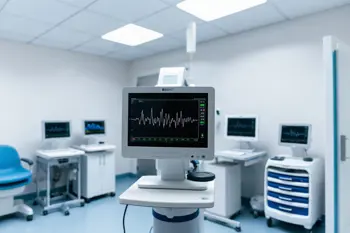
Patients and their families are often referred to these centers when initial treatment protocols prove insufficient. The designation signifies a commitment to providing a broad range of diagnostic and therapeutic options, such as intensive neurodiagnostic monitoring, neuropsychological evaluation, and surgical consultations 3. Centers like the Penn Medicine Comprehensive Epilepsy Center exemplify this model by integrating specialized inpatient Epilepsy Monitoring Units (EMU) where patients receive 24-hour video EEG monitoring, allowing specialists to capture and analyze seizure activity in real-time 4.
The Role of Multidisciplinary Care Teams
Effective epilepsy management at leading institutions relies heavily on a team-based approach that transcends traditional neurology. At facilities such as the Montefiore Einstein Comprehensive Epilepsy Center, care is delivered by interdisciplinary teams comprising epileptologists, neurosurgeons, neuropsychologists, and specialized nurses 5. This collaboration ensures that treatment plans are tailored to the individual, addressing not just the frequency and severity of seizures, but also the broader impact of epilepsy on cognitive health, mental well-being, and social functioning 6.
The integration of different disciplines is particularly critical when evaluating candidates for surgical intervention. For instance, the Duke Comprehensive Epilepsy Center utilizes a structured process where adult and pediatric specialists coordinate care to ensure that advanced surgical techniques, such as minimally invasive neuromodulation or resections, are aligned with patient outcomes 7. By including neurodiagnostic technologists and advanced practice providers in the decision-making process, these centers create a robust framework that supports patients through all stages of their journey, from initial diagnostic testing to post-operative follow-up 8.
Advanced Diagnostic and Imaging Technologies
The foundation of precise epilepsy treatment is an accurate diagnosis, which is frequently achieved through advanced neuroimaging and monitoring techniques. Many high-level centers utilize state-of-the-art diagnostic tools, including 3-Tesla (3T) MRI, magnetic resonance angiography (MRA), and high-density EEG systems 9. These technologies enable clinicians to identify subtle structural abnormalities or electrical signal patterns that might otherwise remain undetected, providing the clarity needed to formulate an effective treatment strategy 10.
In cases where standard diagnostic methods are inconclusive, some institutions employ innovative monitoring solutions, such as stereotactic EEG (sEEG). This involves the placement of electrodes directly into specific brain regions to map seizure activity with extreme precision 11. For example, facilities like St George’s University Hospitals NHS Foundation Trust leverage ultra-high-field MRI research scanners, which allow for the detection of small lesions that cause difficult-to-treat seizures, significantly increasing the likelihood of successful surgical outcomes in selected patients 12.
Surgical and Neuromodulation Innovations
For patients with drug-resistant epilepsy, surgical options have evolved significantly over the past two decades, moving from limited interventions to highly personalized strategies. Today, medical teams can offer a variety of surgical solutions, ranging from traditional resections to sophisticated neuromodulatory devices 13. Deep brain stimulation (DBS) and vagal nerve stimulation (VNS) are among the methods used to modulate abnormal electrical activity in the brain, potentially reducing the frequency and severity of seizures while minimizing reliance on high-dose medication 14.
Personalized medicine is increasingly driving these innovations. Researchers at institutions like the Mayo Clinic are developing methods to map individual brain wave patterns, allowing for the precise placement of electrodes for deep brain stimulation 15. By tailoring the stimulation parameters to the specific seizure network of each patient rather than using a standardized, one-size-fits-all approach, clinicians aim to maximize the effectiveness of the treatment and improve the overall quality of life for those with intractable conditions 16.
Key Considerations When Choosing a Treatment Facility
Selecting the appropriate facility involves evaluating several logistical and clinical factors. The Epilepsy Foundation emphasizes that patients should verify a center’s experience with their specific type of epilepsy and age group, as pediatric and adult needs can differ significantly 17. Other important metrics include the volume of surgeries performed annually at the center and the availability of support programs, which can provide essential psychosocial resources for patients and families as they manage the challenges of living with a chronic condition 18.
| Evaluation Factor | Clinical Relevance |
|---|---|
| Accreditation Level | Confirms the presence of specialized staff and equipment for complex care. |
| Multidisciplinary Staff | Ensures neurology, surgery, and mental health perspectives are integrated. |
| Monitoring Capabilities | Availability of 24/7 video EEG and inpatient monitoring units. |
| Surgical Volume | High-volume centers often demonstrate more proficiency in complex neurosurgical cases. |
| Research Access | Opportunities to participate in clinical trials for emerging therapies. |
Global and Regional Access to Specialized Care
While the United States is home to many world-renowned neuroscience hospitals, the demand for specialized epilepsy care is a global clinical challenge. Centers like the Amrita Advanced Centre for Epilepsy in India serve as regional hubs, providing advanced diagnostic and training resources to patients across Asia and Africa 19. These international institutions often mirror the multidisciplinary and research-driven philosophies of U.S.-based centers, contributing to the global advancement of epilepsy treatment strategies and knowledge dissemination among medical professionals 20.
Patients and referring physicians are encouraged to utilize resources such as the NAEC directory to identify accredited centers within their respective regions. By prioritizing centers that offer a comprehensive spectrum of services, including diagnostic testing, medical management, surgical evaluation, and long-term support, individuals can ensure they have access to the most effective care pathways available for their specific medical needs 21.
Sources
- National Association of Epilepsy Centers: Find an Epilepsy Center.
- Penn Medicine: Comprehensive Epilepsy Center Overview.
- Montefiore Einstein: Comprehensive Brain Health Center - Epilepsy.
- Penn Medicine: Epilepsy Monitoring Unit (EMU) Services.
- Montefiore Einstein: Interdisciplinary Epilepsy Teams.
- OU Health: Epilepsy & Seizure Diagnostic Services.
- Duke Health: Surgical Care and Multidisciplinary Collaboration.
- Duke Health: Precision Approach to Surgical Care.
- OU Health: Diagnostic Testing and Imaging Technologies.
- Penn Medicine: Advanced Testing for Epilepsy Diagnosis.
- Penn Medicine: Stereotactic EEG and Inpatient Monitoring.
- St George’s University Hospitals: Epilepsy Surgery and MRI Technology.
- Duke Health: Evolution of Surgical Solutions for Epilepsy.
- St George’s University Hospitals: Neuromodulation and Vagal Nerve Stimulation.
- Mayo Clinic: Individualized Brain Wave Mapping for DBS.
- Mayo Clinic: Personalized Neuromodulation Research.
- Epilepsy Foundation: Choosing Your Health Care Team.
- Cures Boost: Best Neuroscience Hospitals in USA 2025 Guide.
- Amrita Hospital: Amrita Advanced Centre for Epilepsy.
- Amrita Hospital: Global Impact and Multidisciplinary Collaboration.
- NAEC: Guidelines for Accredited Epilepsy Centers.
Authored by 24Trendz team