Warning signs of migraine: A comprehensive guide to understanding clinical symptoms and diagnostic indicators
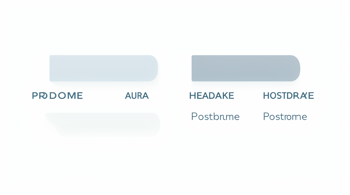
Recognizing the warning signs of migraine is a vital step for individuals navigating this complex neurological condition. While many associate the disorder exclusively with head pain, clinical evidence confirms that migraines often unfold across four distinct phases: prodrome, aura, the headache phase, and postdrome 5. Understanding these stages and the physiological changes they entail allows for more informed discussions with healthcare professionals and potentially earlier intervention in symptom management 8. Given that approximately 40 million people in the United States alone experience migraines, widespread clinical awareness remains a priority in neurology 4.
The Prodrome Phase: Identifying Early Warning Signals
The prodrome, or premonitory phase, functions as an early warning system that can manifest hours or even two days before the onset of primary head pain 5. During this period, the hypothalamus, which regulates essential functions like body temperature, mood, and appetite, exhibits abnormal activation 8. Research indicates that up to 80% of individuals with migraine experience some form of prodromal symptoms, although many fail to associate these subtle physical and behavioral shifts with an impending attack 9.
Common symptoms during the prodrome phase include frequent yawning, which may be linked to dopamine fluctuations in the brainstem, and sudden, intense food cravings for items such as chocolate or salt 9. Other documented indicators include unexplained fatigue, neck stiffness, difficulty concentrating, irritability, insomnia, and increased sensitivity to sensory input 5. Recognizing these markers can be beneficial, as early identification often allows individuals to employ management strategies before the pain intensity escalates 9.
Aura: Neurological Disturbances and Vision Changes
Approximately one in four individuals with migraine experiences an aura, a series of neurological symptoms that typically develop gradually over 5 to 60 minutes 5. Aura symptoms occur due to temporary changes in brain activity and can impact vision, speech, and physical sensation 5. While visual auras are the most common presentation, others may experience sensory or language-related disturbances that complicate the patient experience 6.
| Aura Type | Common Manifestations |
|---|---|
| Visual | Flashing lights, zigzag lines, blind spots, shimmering stars |
| Sensory | Numbness or tingling in the face or limbs, spreading sensations |
| Language | Difficulty speaking or finding the right words |
It is important to note that aura can occur alongside a headache or, in some instances, without any headache pain at all, a condition frequently referred to as a silent migraine 2. When an aura presents as a new experience, or when the symptoms significantly deviate from a patient's historical pattern, clinical evaluation is advised to rule out other neurological conditions 7. Prolonged aura symptoms or those that persist beyond an hour also warrant professional medical assessment 2.
The Headache Phase and Diagnostic Characteristics
The headache phase is characterized by intense, throbbing pain that generally lasts between 4 and 72 hours in adults 5. Clinically, this phase is often associated with moderate to severe pain that may be exacerbated by routine physical activity 7. While common, not all migraine attacks involve pain localized to one side of the head, as bilateral pain can occur in many cases 1.
Associated symptoms during this phase often include nausea, vomiting, and heightened sensitivity to light, sound, or specific odors 1. These secondary symptoms are primary contributors to the disruption of daily functioning, often leading individuals to seek rest in quiet, darkened environments 2. The severity of the headache is often evaluated based on its ability to impede basic activities such as thinking, talking, or performing routine self-care tasks 10.
Postdrome: The Recovery Period
Following the headache phase, many individuals enter the postdrome stage, which is often described as a recovery period that leaves the body feeling depleted 5. This phase may persist for an extended duration, during which patients often report extreme exhaustion, confusion, and lingering sensitivity to light or sound 3. While the primary pain may have subsided, the neurological fatigue associated with the postdrome can be just as disruptive to professional and personal obligations as the active headache phase itself 7.
Clinical Red Flags Requiring Urgent Medical Evaluation
Certain symptoms associated with headaches are considered clinical red flags and necessitate immediate medical attention. A sudden, extremely severe headache-often described as a thunderclap or the worst headache of one's life-requires emergency care as it may indicate underlying vascular issues or intracranial bleeding 2. Additionally, any headache accompanied by a high fever, stiff neck, mental confusion, seizures, or a rash should be assessed immediately to rule out serious conditions such as meningitis 2.
Neurological symptoms such as sudden weakness or paralysis in one side of the body, facial drooping, slurred speech, or persistent vision loss are critical warning signs that require a rapid assessment for potential stroke 2. Furthermore, individuals who develop a new or significantly changed headache pattern after the age of 50 should seek a professional medical diagnosis, as age-related changes in headache frequency or intensity can indicate secondary health concerns 7.
Management and Professional Consultation
Because migraines are chronic neurological conditions, effective management often relies on the identification of triggers and the development of a structured treatment plan with a neurologist 3. Lifestyle factors such as maintaining consistent sleep schedules, managing hydration, and controlling stress levels are frequently recommended components of a comprehensive care strategy 1. If symptoms occur with high frequency or consistently prevent normal functioning, specialized care at a dedicated headache clinic may be the appropriate next step for clinical evaluation 3.
Sources
- MSD Manual Consumer Version
- NHS Inform
- Cedars-Sinai Medical Center
- Time Magazine
- Mayo Clinic
- Mayo Clinic (Migraine with Aura)
- NewYork-Presbyterian Health Matters
- ScienceAlert
- Migraine Trail
- The Independent
Authored by 24Trendz team