Understand sciatica treatment options: A Comprehensive Clinical Analysis for Patient Education
Sciatica is a condition characterized by pain, numbness, or tingling that radiates along the path of the sciatic nerve, typically originating in the lower back and extending through the buttock and down the leg 1. It is essential to recognize that sciatica is not a standalone diagnosis but rather a symptom pattern resulting from the irritation or compression of a nerve root in the lower lumbar or sacral spine 3, 8. Understanding the full spectrum of available treatment options is critical for individuals seeking to manage this condition effectively and safely 4, 7.
Diagnostic Considerations and Symptom Identification
Before initiating any treatment regimen, a thorough clinical evaluation is required to identify the underlying cause of the discomfort 3, 9. Clinicians typically review a patient's medical history and perform physical examinations to differentiate true sciatica from other conditions like piriformis syndrome or sacroiliac joint pain 2, 9. Common symptoms include sharp or burning pain that may worsen with sitting, coughing, or sneezing, as well as potential muscle weakness or altered sensation in the lower extremities 4, 9.
Diagnostic imaging, such as an MRI, is generally reserved for situations where serious underlying pathology is suspected or when symptoms persist despite initial conservative management 6. Urgent medical assessment is mandatory if a patient experiences progressive neurological deficits, such as severe leg weakness, or alarming symptoms like new bladder or bowel dysfunction, which may indicate a medical emergency known as cauda equina syndrome 3, 10.
Conservative Management and Activity Modification
The first-line approach for most individuals with sciatica is conservative care, which focuses on pain control and the restoration of functional movement without invasive procedures 3, 7. Research consistently indicates that the majority of patients experience symptom improvement over several weeks to a few months through self-management strategies 5, 8. Maintaining gentle activity is strongly preferred over prolonged bed rest, as inactivity can often exacerbate the stiffness and discomfort associated with spinal nerve irritation 3, 6.
Patient education regarding the modification of aggravating activities is a central component of this phase 3. By adjusting posture during work or leisure and avoiding activities that place excessive strain on the lumbar spine, individuals can often create an environment conducive to nerve healing 7. This period of patience is vital, as the natural history of lumbar radiculopathy is generally favorable for most people 8.
The Role of Physical Therapy
Physiotherapy serves as a foundational pillar in the non-surgical management of sciatica 7, 9. Structured rehabilitation plans are designed to reduce pain, improve the range of motion, and strengthen the muscles supporting the lumbar spine 3, 5. Evidence suggests that techniques such as neural mobilization can provide short-term improvements in pain levels, while specific muscle energy techniques can help alleviate the mechanical stresses contributing to nerve compression 5.
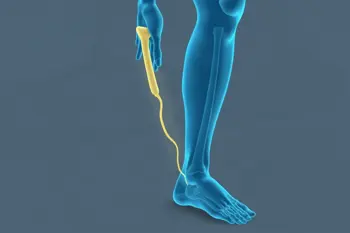
Adherence to a customized exercise program is essential for long-term recovery 3. Therapists work with patients to ensure that movements are performed safely, avoiding any maneuvers that might further irritate the affected nerve roots 7. The goal is to transition the patient toward self-directed care, where they can independently manage symptoms and maintain spinal health through consistent, evidence-based movement practices 6.
Pharmacological Approaches and Risks
Pharmacological interventions for sciatica are typically intended for short-term symptomatic relief rather than treating the underlying anatomical cause 3, 5. Nonsteroidal anti-inflammatory drugs are frequently utilized, yet their use is limited by potential side effects involving the gastrointestinal, cardiovascular, and renal systems 5, 6. Furthermore, clinical guidelines often advise against the routine use of medications such as gabapentinoids, oral corticosteroids, or benzodiazepines, as existing evidence suggests limited clinical benefit for these specific nerve-related pain patterns compared to the risk of adverse outcomes 6.
For some patients, targeted epidural injections containing corticosteroids and local anesthetics may be considered during the acute phase of severe symptoms 3, 6. These procedures are designed to reduce inflammation around the compressed nerve root, providing a window of relief that may allow for more effective participation in physical therapy 3. However, these injections are not a curative treatment for structural issues like herniated discs or spinal stenosis 3.
Surgical Intervention Indicators
Surgical management is typically viewed as a secondary option, reserved for cases that do not respond to extended periods of non-surgical care 3, 6. Criteria for considering surgical consultation include persistent, disabling pain, progressive neurological weakness, or findings that indicate structural damage that is unlikely to resolve independently 6, 9. Decisions regarding surgery are based on a careful comparison between imaging results and the patient's clinical presentation 6.
Patients are encouraged to discuss the risks and expected outcomes of surgical options with a qualified neurosurgeon or orthopedic specialist 8. It is important to have realistic expectations; while surgery can be highly effective for specific patterns of radiculopathy, it does not remove the need for post-operative rehabilitation and long-term spinal health maintenance 3. The focus remains on improving the patient's quality of life and functional independence through a structured, multi-step care plan 5, 7.
| Approach | Primary Objective | Clinical Context |
|---|---|---|
| Conservative Care | Symptom management/Recovery | First-line for majority of patients |
| Physical Therapy | Function/Mobility improvement | Recommended for ongoing rehabilitation |
| Pharmacology | Short-term pain relief | Limited evidence for long-term efficacy |
| Injections | Localized inflammation reduction | Considered for severe acute symptoms |
| Surgery | Decompression of nerve roots | Reserved for persistent/progressive cases |
Authored by 24Trendz team