Ways to manage seasonal allergies at home: A Clinical Review of Symptom Mitigation Strategies
Understanding the Mechanisms of Seasonal Allergies
Seasonal allergies, clinically identified as allergic rhinitis or hay fever, represent an immune system overreaction to airborne particulate matter 2. When the body encounters environmental triggers such as tree, grass, or weed pollen, or mold spores, it identifies these harmless substances as threats and releases chemicals, including histamine, to combat them 1. This immune response is not inherently protective against these triggers, but rather an error in immune signaling that results in persistent inflammation 1. Approximately 81 million individuals in the United States are estimated to live with these seasonal conditions, which frequently impact sleep quality, workplace productivity, and overall daily functioning 4, 9.
The prevalence and intensity of these reactions are increasingly influenced by environmental shifts, including climate change, which has been shown to extend the duration of pollen seasons and increase the concentration of airborne allergens 3. Symptoms manifest as a diverse array of physiological responses, ranging from sneezing and nasal congestion to more systemic issues like fatigue, headaches from sinus pressure, and the exacerbation of pre-existing conditions such as asthma or eczema 1, 2. Recognizing these symptoms is the first step in effective management, as they are frequently conflated with the common cold, though allergies typically persist longer and recur consistently during specific seasonal cycles 2.
Environmental Control and Allergen Avoidance
The primary clinical strategy for managing allergic rhinitis is the reduction of exposure to identified triggers 1, 9. On days when pollen counts are elevated, individuals are encouraged to monitor local air quality forecasts provided by meteorological sources and limit time spent outdoors during peak periods, which often occur in the early morning or during windy, dry weather conditions 4, 5. Maintaining an indoor environment free of these contaminants involves keeping windows closed in both residential spaces and motor vehicles, relying instead on air conditioning systems equipped with clean, high-efficiency filters 1, 10.
Indoor air quality can be further improved by utilizing portable air purifiers containing HEPA filtration, which helps to reduce the concentration of airborne particles that infiltrate the living space 5, 12. Maintaining this equipment through regular filter changes is essential for operational effectiveness 12. Furthermore, physical barriers and hygiene routines serve as critical defense mechanisms against allergen accumulation. Experts advise wearing protective clothing like long sleeves when outdoors and ensuring that hair and skin are washed immediately upon returning home to prevent the transfer of pollen into bedding and furniture 9, 10.
Hygiene Practices for Symptom Relief
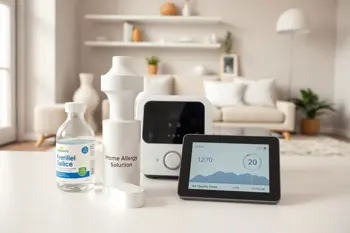
Beyond external avoidance, physical cleansing of the nasal passages is a frequently recommended home remedy for mitigating allergic discomfort 5. Nasal irrigation, often performed using a neti pot or saline rinse solution, helps to mechanically flush allergens and accumulated mucus from the nasal cavities, providing localized relief 1, 11. However, safety protocols must be strictly followed when performing these rinses. Public health authorities emphasize that only distilled, sterile, or previously boiled and cooled water should be utilized to avoid the introduction of harmful pathogens into the sinus environment 11.
| Method | Target Symptom | Primary Mechanism |
|---|---|---|
| Nasal Irrigation | Congestion/Runny Nose | Mechanical removal of allergens |
| HEPA Filtration | Environmental Triggers | Reduction of airborne particles |
| Clothing Changes | External Exposure | Prevention of indoor contamination |
Pharmacological Interventions and Timing
When environmental management is insufficient, pharmacological support is often necessary to achieve symptom control. The clinical consensus points to the efficacy of over-the-counter (OTC) medications, provided they are used according to labeling or professional guidance 9, 13. Oral antihistamines are commonly utilized to address sneezing, itching, and rhinorrhea 9. For more persistent nasal symptoms, intranasal corticosteroid sprays are frequently identified as highly effective, often surpassing the efficacy of oral antihistamines for specific inflammatory responses 8, 11.
A critical component of successful pharmacological management is the timing of administration. Rather than waiting for symptoms to become severe, it is widely recommended to initiate treatment as a preventive strategy several weeks before the expected onset of the allergy season 8, 9. This proactive approach allows the medication to modulate the immune response before inflammation becomes firmly established 2. Individuals are reminded that medication types, such as older versus newer generation antihistamines, possess different profiles regarding sedation and duration of action, necessitating individual evaluation 7.
Professional Consultation and Red Flags
While self-care measures are effective for many, persistent or severe allergies require clinical assessment. An allergist or primary care physician can assist in identifying specific allergens and establishing a long-term care plan, which may include immunotherapy for individuals who do not respond adequately to standard home management and OTC treatments 1, 9. Professional evaluation is particularly important if symptoms interfere significantly with daily activities or if they lead to complications such as recurrent sinus or ear infections 9.
Certain physical symptoms serve as indicators that immediate medical attention is required. Difficulty breathing, the sensation of throat swelling, or a sudden, severe worsening of respiratory function must be treated as a priority, as these may signal complications beyond standard allergic rhinitis 1. Individuals with known underlying respiratory conditions should be especially vigilant, as environmental allergens are documented triggers for acute asthma exacerbations, a risk that necessitates professional monitoring and the development of an asthma action plan alongside allergy management strategies 1, 9.
Future Trends and Clinical Context
The clinical approach to allergic rhinitis continues to evolve in response to shifting environmental patterns. Research into the 2026 Allergy Capitals, for instance, highlights how extreme weather and changing regional climates are subjecting larger populations to high-allergen conditions 3. As scientific understanding of the immune response improves, the emphasis remains on a holistic management strategy that combines rigorous environmental controls, such as monitoring pollen index data, with evidence-based pharmaceutical interventions 3, 4.
Ultimately, successful management is defined by the reduction of allergic burden through consistent habit formation rather than a single intervention. By integrating daily practices, such as washing clothes and skin after outdoor exposure, with the early application of targeted medical therapies, individuals can minimize the impact of seasonal triggers on their quality of life 2, 5, 9. Continuous engagement with healthcare providers ensures that treatment remains appropriate for the severity of the individual condition and the specific environmental risks associated with their local geography 3, 7.
Sources
- Ohio State Health & Discovery: How to treat and manage allergies at home
- Health First Urgent Care: How to Manage Seasonal Allergies at Home
- Asthma and Allergy Foundation of America: 2026 Allergy Capitals Report
- CVS Health: Ways to help reduce seasonal allergy symptoms
- Cleveland Clinic: Natural Remedies for Allergies
- Harvard Health Publishing: How can I prevent spring allergies?
- Yale News: Suffer from seasonal allergies? These tips will help you find relief
- BBC Future: Hay fever: Nine tips for coping with pollen and seasonal allergens
- South Shore Health: Six Ways to Alleviate Seasonal Allergies
- AP News: Allergy seasons have been getting worse, but there are things you can do to protect yourself
- Centers for Disease Control and Prevention: Using Saline Nasal Rinse
- U.S. Environmental Protection Agency: Air Cleaners and Air Filters in the Home
- U.S. Food and Drug Administration: Use Over-the-Counter Medicines Safely
Authored by 24Trendz team