What you need to know about endometriosis symptoms: A clinical overview
What you need to know about endometriosis symptoms starts with recognizing that the condition can affect more than menstruation. Endometriosis occurs when tissue similar to the uterine lining grows outside the uterus, producing inflammation, scarring and symptoms that may involve pelvic, bowel, bladder, sexual and fertility health.1
What endometriosis is and why symptoms vary
Endometriosis most often affects the ovaries, fallopian tubes and tissue lining the pelvis, although implants can also occur on the intestines, bladder, ureters, vagina, cervix and surgical scars. The misplaced tissue responds to hormonal changes, thickens and breaks down during the menstrual cycle, but the resulting bleeding has no normal route out of the body.2
The condition is long term and symptoms differ substantially between individuals. Some people experience significant disease with few symptoms, while others have severe pain despite apparently limited disease. Clinical sources consistently report that pain intensity does not reliably match the amount, location or stage of endometriosis tissue.3
Pelvic pain and painful periods
The most recognized symptom is dysmenorrhea, meaning unusually painful menstrual cramps. Endometriosis-related pain may begin before bleeding, continue for several days, feel cramping, stabbing or aching, and spread through the abdomen, lower back or pelvis. Pain that interrupts school, work or routine activities is not considered ordinary menstrual discomfort and warrants medical discussion.4
Pelvic pain can also occur between periods, during ovulation or as persistent chronic discomfort. Cleveland Clinic describes associated symptoms including intense period pain, severe pelvic pain and pelvic-floor spasms. A 2015 study cited by that source found painful menstrual cycles in 64% of adolescents with endometriosis, although painful periods alone do not establish a diagnosis.1
Symptoms involving sex, bowel movements and urination
Pain during or after vaginal penetration is a classic symptom, particularly when lesions or inflammation affect deeper pelvic structures. The discomfort may be deep rather than superficial and can persist after intercourse. Medical references also identify painful bowel movements, known as dyschezia, and painful urination, known as dysuria, among possible manifestations.2
Bowel and bladder symptoms may become more noticeable around menstruation but can occur at other times. Reported digestive effects include constipation, diarrhea, nausea and severe bloating, especially during a period. Urinary discomfort may suggest involvement near the bladder or urinary tract, but similar symptoms can arise from other conditions, so symptom patterns require clinical assessment rather than self-diagnosis.5
Heavy bleeding, fatigue and less obvious effects
Heavy menstrual bleeding and bleeding between periods are commonly reported alongside pelvic pain. Bloating, nausea and fatigue can add to the functional impact, particularly when symptoms recur each cycle. Reports also describe pain or aching in the lower back, hips or legs, reflecting the fact that inflammation and lesions can affect structures beyond the reproductive organs.3
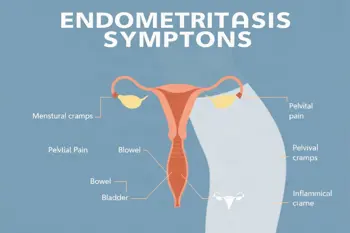
Endometriosis may therefore appear as a broad pattern rather than one isolated complaint. A person may report painful periods together with gastrointestinal changes, urinary frequency, fatigue or chronic pelvic pain. Research and clinical reporting increasingly describe endometriosis as capable of affecting organs and tissues outside the reproductive system, although unusual symptoms still need evaluation for other explanations.7
Fertility and the relationship between symptoms and disease
Difficulty getting pregnant is part of the classic clinical picture, alongside dysmenorrhea and pain during intercourse. Endometriosis can produce inflammation, scarring and anatomical changes that affect pelvic function. Infertility is not present in every person with the condition, and the absence of fertility concerns does not rule it out.2
Symptom severity should not be used to estimate fertility impact or disease extent. Some people have substantial lesions with mild symptoms, while others experience disabling pain with less extensive visible disease. Fertility goals, menstrual history and the duration of symptoms are therefore relevant parts of a medical assessment, rather than relying on pain intensity alone.4
Diagnosis, evaluation and practical warning signs
Evaluation generally begins with a detailed history of menstrual timing, pain location, bowel and bladder changes, sexual pain, fertility concerns and family history. A pelvic examination may identify tenderness, nodules or other abnormalities. Ultrasound and MRI can support evaluation and may identify larger cysts called endometriomas, although smaller lesions may not appear on imaging.4
Current clinical guidance recognizes that treatment may sometimes begin from a clinical diagnosis, while laparoscopy and, in selected cases, biopsy can help confirm or plan treatment. Medical review is particularly important when period pain is severe, worsening, persistent outside menstruation, associated with heavy or irregular bleeding, or accompanied by bowel, bladder, sexual or fertility problems. The symptoms overlap with other disorders, so diagnosis requires professional assessment rather than symptom matching alone.8
What to record before a medical appointment
A symptom record can make recurring patterns easier to describe. Useful details include the first and last day of bleeding, pain intensity and location, whether pain begins before menstruation, bowel or urinary changes, bleeding between periods, pain during sex, fatigue, bloating and the effect on work, school or daily activities. Recording symptoms across cycles can also show whether they are consistently menstrual or occur independently of bleeding.5
Patients should also note previous treatments and whether symptoms changed with pain medicines or hormone-based treatment. Management may involve pain relief, medication that suppresses ovarian function and tissue growth, or surgery, depending on symptoms, fertility plans and overall health. These options require individualized clinical discussion because endometriosis is chronic, symptoms can recur, and the most appropriate approach differs between patients.2
Sources
- Cleveland Clinic, What Does Endometriosis Feel Like?
- Merck Manual Professional Edition, Endometriosis
- Sutter Health, The Endometriosis Symptoms You Need to Know
- Nebraska Medicine, What Is Endometriosis, and How Do You Know If You Have It?
- Jean Hailes, Endometriosis
- Acibadem Hospitals Group, Endometriosis Symptoms Explained
- National Geographic, Science Is Finally Confirming the Most Mysterious Symptoms of Endometriosis
- American College of Obstetricians and Gynecologists, Diagnosis of Endometriosis
Authored by 24Trendz team