Natural remedies for overall body relaxation: An evidence-informed review
Natural remedies for overall body relaxation typically focus on calming physical arousal, easing muscle tension, improving sleep, and helping the nervous system recover from stress. The most consistently supported approaches include slow breathing, progressive muscle relaxation, mindfulness, yoga, regular movement, restorative sleep habits, massage, time in nature, and carefully used aromatherapy.
How stress affects whole-body relaxation
During a perceived threat, the sympathetic nervous system activates the fight-or-flight response. Heart rate and breathing can rise, muscles tense, digestion slows, and stress hormones such as adrenaline and cortisol help prepare the body to respond. After the stressor passes, the parasympathetic nervous system is expected to support recovery and rest. Persistent stress can make that transition more difficult. 1
Relaxation practices are intended to encourage this recovery response rather than provide a single instant cure. The University of Maryland Medical System identifies deep breathing and mindfulness as self-soothing strategies that may help bring nervous-system activity back toward balance. Research and clinical guidance also emphasize repetition, because regular calming habits can be more useful than occasional efforts performed only during intense stress. 12
Breathing techniques and progressive muscle relaxation
Slow diaphragmatic breathing is among the simplest methods for reducing physical arousal. Breathing exercises can stimulate parasympathetic activity and may help lower stress-related heart rate, muscle tension, and perceived stress. A practical approach is to breathe gently into the abdomen, avoid forcing the breath, and maintain a slower rhythm for several minutes. Dizziness or discomfort is a reason to stop and return to normal breathing. 28
Progressive muscle relaxation addresses tension directly by deliberately tightening and then releasing muscle groups in sequence. The method can help a person notice the difference between contraction and release, making it easier to identify tension held in areas such as the jaw, shoulders, hands, and legs. Mayo Clinic describes systematic tensing and relaxing as a technique for reducing muscle tension and stress. 3
Mindfulness, body awareness, and yoga
Mindfulness involves paying attention to present-moment experiences, including breathing, body sensations, thoughts, and emotions, without automatically reacting to them. Meditation and mindfulness practices may help manage stress and anxiety, although results vary according to the technique, practice duration, and population studied. NHS guidance includes mindful breathing and body-awareness exercises as self-help methods for difficult feelings and stress. 411
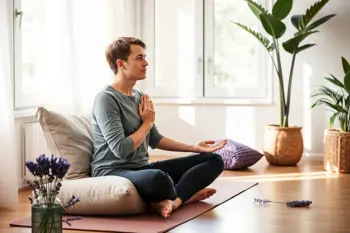
Yoga combines movement, breathing, and mindfulness, making it a whole-body approach rather than a purely mental exercise. Johns Hopkins Medicine reports that yoga may support stress reduction, mood, and general well-being. Gentle forms may be more appropriate when the goal is relaxation, particularly for people who find vigorous exercise stimulating or who have pain, balance limitations, or other physical restrictions. 5
Movement, sleep, and daily recovery
Regular physical activity is associated with improved sleep quality and reduced feelings of anxiety. Walking, stretching, and other manageable forms of movement can also interrupt prolonged sitting and provide a structured transition away from work or mental strain. The relaxation effect does not require maximal exertion, and exercise intensity should reflect individual health status, conditioning, and medical advice when relevant. 6
Sleep is a central part of physical and emotional recovery. Sleep Foundation guidance emphasizes consistent sleep and wake times, a calming pre-sleep routine, and a comfortable, quiet bedroom. These measures are maintenance habits rather than one-time remedies. Persistent insomnia, severe daytime sleepiness, or symptoms that interfere with daily functioning warrant evaluation because relaxation techniques alone may not address an underlying sleep or medical condition. 7
Massage, nature exposure, and sensory calming
Massage therapy may provide short-term relief from muscle tension, stress, and some forms of muscle pain, but outcomes differ by condition and individual. Potential concerns include discomfort, bruising, or aggravation of an injury, so pressure and technique should be adapted to the person. People with significant pain, unexplained symptoms, or certain medical conditions may need professional guidance before receiving massage. 9
Time in natural settings can add a sensory component to relaxation. Harvard Gazette reports that research links nature exposure with lower stress and depression, better sleep, cognitive benefits, and reduced inflammation. One cited recommendation is approximately 20 mindful minutes in nature three times weekly, with attention directed toward colors, sounds, shapes, movement, and scents rather than digital distractions. 12
Lavender aromatherapy and safety boundaries
Lavender aromatherapy may have calming effects for some people, but it should be treated as an optional sensory aid rather than a proven treatment for every stress-related condition. Essential oils can cause skin irritation or allergic reactions. They should not be ingested without qualified medical guidance, and topical use generally requires appropriate dilution and avoidance of the eyes and sensitive tissue. 10
Natural does not automatically mean risk-free, and a relaxation routine should be selected according to personal circumstances. Cold exposure, intense breath-holding, strenuous yoga, supplements, or strongly scented oils may be unsuitable for some individuals, while persistent anxiety, panic, depression, trauma symptoms, pain, or sleep disruption may require clinical care. Relaxation methods can complement professional treatment, but they should not replace assessment when symptoms are severe, worsening, or difficult to manage. 1410
Comparing practical options for daily use
The approaches differ in time, physical demand, and evidence limitations. Breathing and mindfulness can be practiced in place, progressive muscle relaxation targets bodily tension, yoga combines several methods, and walking or nature exposure adds movement and environmental change. Massage may require another person and may offer shorter-term effects. Aromatherapy is easy to incorporate but carries allergy and irritation considerations. No single method is established as universally effective.
| Approach | Primary focus | Important consideration |
|---|---|---|
| Slow breathing | Physical arousal | Stop if dizziness occurs |
| Progressive relaxation | Muscle tension | Use gentle contractions |
| Mindfulness | Attention and stress response | Results vary by practice |
| Yoga or walking | Movement, mood, and sleep | Adapt to physical ability |
| Massage or lavender | Tension or sensory comfort | Consider irritation and medical factors |
Sources
- University of Maryland Medical System Health Hub, “Self-Soothing: How to Regulate Your Nervous System”
- National Center for Complementary and Integrative Health, “Relaxation Techniques”
- Mayo Clinic, “Relaxation Techniques”
- National Center for Complementary and Integrative Health, “Meditation and Mindfulness”
- Johns Hopkins Medicine, “5 Things You Should Know About Yoga”
- Centers for Disease Control and Prevention, “Benefits of Physical Activity”
- Sleep Foundation, “Sleep Hygiene”
- Cleveland Clinic, “Benefits of Deep Breathing”
- National Center for Complementary and Integrative Health, “Massage Therapy”
- National Center for Complementary and Integrative Health, “Aromatherapy”
- National Health Service, “Mindfulness”
- Harvard Gazette, “The Best Medicine May Be Free”
Authored by 24Trendz team