Early symptoms of lichen planus: A clinical overview of diagnostic markers and progression
Lichen planus is a recurring, immune-mediated inflammatory condition that impacts the skin, mucous membranes, scalp, and nails 2. Often mischaracterized as an infection, it is actually a non-contagious autoimmune reaction where T-cells target basal epithelial keratinocytes 2, 4. Understanding the early indicators of this condition is essential for clinical identification, as symptoms vary significantly based on the anatomical region affected and the individual patient's physiological response 4.
Cutaneous Manifestations and Physical Characteristics
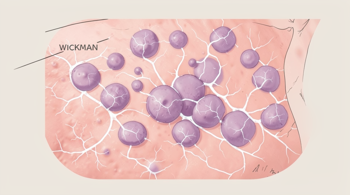
The hallmark of cutaneous lichen planus is an eruption of small, flat-topped, polygonal papules that typically exhibit a violaceous or purple hue on lighter skin tones, appearing more brown on darker skin 2, 3. These bumps are usually intensely pruritic, meaning they cause significant itching, and they may coalesce over time to form rough, scaly plaques 3, 8. A diagnostic feature often observed is the Koebner phenomenon, where new lesions develop along lines of skin trauma or scratching 8. When viewed under lateral lighting, the surface of these papules reveals a distinctive, shiny sheen that assists clinicians in preliminary assessment 3.
Oral and Mucosal Symptom Profiles
Oral lichen planus is the most prevalent subtype of the condition, affecting approximately half of all diagnosed individuals 2, 8. Early indicators in the mouth frequently manifest as reticular lesions, which appear as a lacy, white network of lines known as Wickham striae on the buccal mucosa, tongue, or gums 1, 8. In more severe presentations, these lesions may evolve into painful ulcers or red, swollen tissues that significantly impede comfortable eating and speaking 1, 8. Patients commonly report a metallic taste or persistent dry mouth in conjunction with these visible changes 1.
Nail and Scalp Involvement
While less common than cutaneous or oral manifestations, lichen planus can severely affect the appendages. Lichen planopilaris refers to the involvement of the scalp, which often presents with persistent redness and irritation, potentially progressing to permanent scarring hair loss if left unmanaged 6, 7. Nail involvement frequently includes the development of longitudinal ridging, thinning of the nail plate, or even complete splitting of the nail 1, 5. These changes are often considered markers of a more systemic inflammatory process requiring specialized dermatological monitoring 2.
Differential Diagnosis and Clinical Assessment
Because the symptoms of lichen planus can mimic other dermatological conditions, clinicians rely on a combination of physical examination and histopathology to confirm the diagnosis 2, 9. A biopsy of the skin or mucosal lesion is the standard procedure to differentiate lichen planus from other papulosquamous disorders 1, 2. The diagnostic process also involves ruling out external triggers, including contact allergies to metals like gold or mercury used in dental restorations, which have been statistically correlated with the development of oral lesions 4, 8.
| Symptom Category | Typical Clinical Presentation |
|---|---|
| Cutaneous | Violaceous, flat-topped papules; severe pruritus; Wickham striae |
| Oral | Lacy white patches; painful ulcers; metallic taste |
| Nail | Longitudinal ridging; thinning; splitting |
| Scalp | Redness; inflammation; potential scarring hair loss |
Epidemiological Factors and Triggers
Lichen planus predominantly impacts middle-aged adults, with the highest incidence rates occurring between the ages of 30 and 60 6, 8. While the exact etiology is unknown, it is strongly associated with immune-mediated systemic factors. Hepatitis C infection is identified as a significant risk factor, with some studies suggesting a fivefold increase in risk for affected individuals 8. Additionally, drug-induced lichenoid eruptions can occur as a secondary reaction to various medications, including beta-blockers, NSAIDs, ACE inhibitors, and certain antimalarials, necessitating a thorough review of a patient's medical and pharmacological history 2, 3.
Management and Prognostic Outlook
There is no known cure for lichen planus, so clinical management centers on reducing inflammation, mitigating symptoms, and improving patient quality of life 7, 8. Treatment protocols often utilize topical or intralesional corticosteroids to manage localized skin eruptions 2. For oral involvement, lidocaine-containing mouthwashes may be employed to numb painful sores during meals 1, 3. In chronic or severe cases, clinicians may introduce phototherapy, systemic retinoids, or immunosuppressants to stabilize the autoimmune response and prevent long-term damage such as scarring 2, 7.
Sources
- https://www.pennmedicine.org/conditions/lichen-planus
- https://www.merckmanuals.com/professional/dermatologic-disorders/psoriasis-and-other-papulosquamous-disorders/lichen-planus
- https://www.msdmanuals.com/home/skin-disorders/psoriasis-and-scaling-disorders/lichen-planus
- https://www.britishskinfoundation.org.uk/conditions/lichen-planus-2
- https://familydoctor.org/condition/lichen-planus/
- https://cmsderm.ca/conditions/lichen-planus
- https://acibademinternational.com/diseases/lichen-planus/
- https://www.guidelinegenius.com/lichen-planus/
- https://www.merckmanuals.com/en-ca/home/skin-disorders/psoriasis-and-scaling-disorders/lichen-planus
Authored by 24Trendz team