Best gel cushion for tailbone discomfort: An evidence-informed comparison
People searching for the best gel cushion for tailbone discomfort are generally looking for a way to sit comfortably for longer periods while reducing pressure on the coccyx. Product descriptions commonly emphasize features such as a built-in tailbone cutout, even weight distribution, cooling layers, and resistance to flattening, but those claims need to be weighed against fit, posture, intended use, and clinical circumstances.
What distinguishes a tailbone cushion
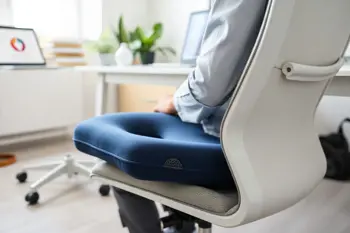
A U-shaped or rear coccyx cutout is generally more relevant to tailbone discomfort than a flat seat pad because it reduces direct contact between the coccyx and the seating surface. Cleveland Clinic explains that prolonged sitting can aggravate coccyx pain, while conservative care may include seating changes and pressure reduction. 15 The NHS similarly discusses avoiding prolonged sitting, leaning forward, and using a coccyx cushion as practical measures. 16
Gel construction is not standardized across the market. Some products use a continuous gel layer, while others combine gel with memory foam or use a honeycomb or grid structure. Westlyn’s MediGel, for example, lists a built-in tailbone cutout, non-slip base, 16-by-13-by-2-inch dimensions, and a 300-pound support rating. 1 Fovera describes its hybrid cushion as memory foam with a cool gel top layer and coccyx cutout. 2
Products using gel and foam hybrids
Gel-enhanced foam cushions are designed to combine the contouring behavior of memory foam with a gel layer intended to distribute pressure and reduce heat buildup. The GelSeat Pro page describes use in office chairs, cars, and home seating, and reports a 4.8 rating based on more than 22,000 reviews. 3 Such figures are seller-reported and indicate customer feedback volume, not independent clinical evidence of pain relief.
Other hybrid designs emphasize portability and posture. ComfiLife describes a gel-enhanced memory-foam cushion with a U-shaped coccyx-relief design and carrying handle for office, car, and travel use. 10 Everlasting Comfort is described as using memory foam, a coccyx cutout, and a non-slip bottom. 12 A hybrid may feel supportive, but added thickness can raise the user’s sitting position and alter knee, hip, or desk alignment.
Honeycomb and grid-style gel designs
Honeycomb gel cushions use interconnected cells intended to spread load and allow airflow. GlobalEdge’s product information lists an elastic cooling gel honeycomb structure, removable breathable cover, pressure-relief contouring, non-slip base, and use in cars, offices, homes, and wheelchairs. 9 Pure Gel lists a honeycomb structure, breathable construction, dimensions of 16.5 by 14.2 by 1.4 inches, and a reported 4.8 out of 5 rating from 2,184 reviews. 6
A grid design is related to, but not identical to, traditional gel. Purple’s Royal Seat Cushion uses a flexible grid intended to distribute pressure and promote airflow, although it is not described as a conventional gel cushion. 13 The main practical question is whether the structure remains stable beneath the user and whether its shape fits the chair. A cushion that shifts, bottoms out, or leaves the thighs unsupported may create new discomfort despite effective airflow.
Options for wheelchair and pressure-management needs
Wheelchair users and people who sit for extended periods may require more than general comfort. AliMed’s Elite Gel Wheelchair Cushion is marketed for pressure-point reduction, long-term skin protection, and positioning, with medial and lateral contours intended to help maintain leg alignment. It is listed in standard and bariatric formats, with widths and depths ranging from 16 by 16 inches to 24 by 18 inches. 4
A specialist review of the Rivquvi Gel Wheelchair Seat Cushion describes a memory-foam and cooling-gel hybrid with a T-shaped cutout designed to suspend the tailbone from the seat surface. 7 Pressure injury risk requires individualized assessment, regular repositioning, skin checks, and correct wheelchair fit. A consumer cushion should not be treated as a substitute for advice from a clinician or seating specialist when redness, sores, impaired sensation, or restricted mobility is present.
Fit, posture, and maintenance considerations
A suitable cushion should fit the chair’s width and depth without forcing the user toward the edge or leaving the thighs unsupported. Research guidance summarized in the supplied data emphasizes choosing a height that allows the feet to rest comfortably on the floor, because excessive elevation can worsen posture and increase leg pressure. The cushion should also remain centered, have a washable cover, and include a non-slip base where appropriate.
Maintenance varies by construction. Removable covers are generally easier to clean than exposed foam or gel surfaces, while honeycomb designs may require careful handling to prevent debris from accumulating between cells. GlobalEdge advises removing the cover, washing it gently, and air-drying it before reuse. 9 Product pages also describe different return periods, warranties, and availability conditions, so buyers should verify current terms rather than assume that every cushion has the same protection or service support.
Medical cautions and realistic expectations
Cushions can reduce pressure, but they do not identify the cause of tailbone pain or guarantee relief. Johns Hopkins describes coccydynia as pain around the coccyx and notes that treatment may include avoiding pressure and using specialized seating support. 19 MedlinePlus identifies sitting pressure and trauma among possible contributors and recommends assessment when symptoms do not improve. 18 Leaning slightly forward and taking breaks may complement, but not replace, appropriate evaluation.
Medical attention is especially important after significant injury or when pain is persistent, severe, or accompanied by numbness, weakness, fever, or bowel or bladder changes. Mayo Clinic identifies these kinds of symptoms as reasons to seek care. 17 The American Academy of Family Physicians describes conservative management as including posture modification, pressure reduction, and specialized cushions. 21 In practical terms, the strongest general choice is usually the cushion whose cutout, firmness, height, cover, and dimensions match the user’s chair and health needs, rather than the product making the broadest relief claim.
Sources
- Westlyn, MediGel Gel Seat Cushion
- Fovera, Cool Gel and Memory Foam Coccyx Cushion
- GelSeat Pro Cushion
- AliMed Elite Gel Wheelchair Cushion
- Walmart, NEXPOW Memory Foam Cooling Gel Seat Cushion
- Pure Gel Cushion
- Graying With Grace, Rivquvi Gel Wheelchair Seat Cushion Review
- Majestics, CoolGel+ Pressure Relief Seat Cushion
- GlobalEdge, CoolGelComfortSeat
- ComfiLife, Gel Enhanced Seat Cushion
- Cushion Lab, Ergonomic Seat Cushion
- Everlasting Comfort, Seat Cushion
- Purple, Royal Seat Cushion
- The New York Times Wirecutter, Seat Cushion Guide
- Cleveland Clinic, Tailbone Pain
- NHS, Tailbone Pain
- Mayo Clinic, When to See a Doctor for Tailbone Pain
- MedlinePlus, Coccyx Pain
- Johns Hopkins Medicine, Coccydynia
- Spine-health, Tailbone Pain and Coccyx Cushions
- American Academy of Family Physicians, Coccydynia Management
Authored by 24Trendz team