Effective ways to manage high blood pressure naturally: Evidence-Based Guidance
Understanding the Numbers and the Risks
High blood pressure, or hypertension, often produces no symptoms while increasing the long-term risk of heart attack, stroke, kidney disease, heart failure, vision loss, and cognitive decline. Blood pressure is recorded as systolic pressure over diastolic pressure. Common categories include normal readings below 120/80 mm Hg, elevated readings of 120 to 129 with diastolic pressure below 80, stage 1 hypertension at 130 to 139 or 80 to 89, and stage 2 hypertension at 140/90 or higher. 1
Home readings can help distinguish an occasional high measurement from a persistent pattern. A blood pressure reading above 180/120 mm Hg is considered a medical emergency, particularly when accompanied by symptoms such as chest discomfort, shortness of breath, weakness, or vision changes. Lifestyle measures can prevent, delay, or lessen the need for medication in some people, but the appropriate plan depends on the readings, other health conditions, and a clinician’s assessment. 2
Adopt a DASH-Style Eating Pattern
The DASH diet emphasizes fruits, vegetables, whole grains, low-fat dairy products, lean proteins, fiber, potassium, calcium, and magnesium while reducing saturated fat, trans fat, cholesterol, and highly processed foods. The Mayo Clinic reports that a healthy eating pattern can lower systolic blood pressure by up to 11 mm Hg. Mediterranean-style eating follows a similar emphasis on plant foods, healthy fats, whole grains, and lean protein. 3
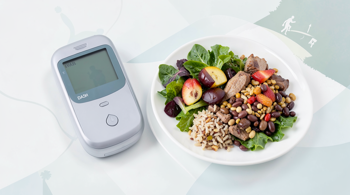
Food choices should be practical and consistent rather than based on a single “blood-pressure-lowering” ingredient. Useful options identified in the supplied research include leafy greens, oats, legumes, berries, fatty fish, olive oil, bananas, oranges, spinach, and sweet potatoes. Potassium helps balance sodium, but people with kidney disease or other conditions affecting potassium levels should ask a healthcare professional before substantially increasing potassium intake or using salt substitutes. 4
Reduce Sodium and Limit Alcohol
Excess sodium causes the body to retain water, which can raise blood pressure. Major sources are often processed foods, ready meals, soups, sauces, and processed meats rather than salt added at the table. The DASH guidance cited in the research uses 2,300 milligrams of sodium per day as a limit, with 1,500 milligrams described as an ideal target for many adults. Reading labels, cooking more often, and using herbs and spices can reduce intake. 5
Alcohol can raise blood pressure through effects on hormone levels, the nervous system, and fluid balance. General guidance in the supplied research is no more than one drink per day for women and two for men, although lower consumption may provide greater protection for some people. Caffeine can temporarily raise readings in certain individuals, so tracking blood pressure before and after caffeinated drinks may help identify a personal response. 6
Make Physical Activity Routine
Regular aerobic activity, including brisk walking, cycling, swimming, or similar movement, strengthens the cardiovascular system and can reduce blood pressure over time. The research summary identifies at least 150 minutes of moderate aerobic activity per week as a useful target. Benefits usually depend on consistency rather than isolated strenuous sessions. People who are inactive, older, or managing chronic illness may need an individualized activity plan and a gradual increase in intensity. 7
Exercise does not always produce an immediate stable change in readings. WebMD reports that regular exercise may take one to three months before a noticeable reduction appears, while dietary changes may affect readings within a couple of weeks. A pooled analysis cited in the supplied research found that some forms of exercise reduced systolic pressure by more than 8 mm Hg, a result comparable to a first-line medication effect in some circumstances. 8
Address Weight, Smoking, Sleep, and Stress
Weight reduction is identified by the Mayo Clinic as the strongest lifestyle factor for lowering blood pressure among people who are overweight. Blood pressure may fall by about 1 mm Hg for each kilogram of weight lost, although individual results differ. Waist circumference also matters because excess abdominal weight is associated with greater health risk. The cited thresholds are more than 40 inches for men and more than 35 inches for women. 9
Smoking raises cardiovascular risk and can increase blood pressure after each cigarette, while chronic stress may contribute to repeated elevations. Techniques such as slow breathing, meditation, and yoga are included among approaches for managing stress. Sleep quality is also part of a sustainable plan, although lifestyle improvements should not be treated as a substitute for evaluation of persistent hypertension or possible medical causes. 10
Monitor Progress and Know When Medication Is Needed
Home monitoring can reveal trends and create a record for discussion with a doctor or nurse. Measurements should be recorded consistently, since isolated readings can be affected by stress, caffeine, activity, or measurement technique. A diary can also help assess whether changes in sodium intake, diet, exercise, alcohol, or weight correspond with improved numbers. Regular professional checks remain important because hypertension commonly has no noticeable symptoms. 2
Natural strategies are foundational, but they do not work sufficiently for everyone. Research supplied for this topic reports that some adults with resistant hypertension experienced an average systolic reduction of 12.5 mm Hg after four months of lifestyle counseling and added exercise, yet other people still required medication. Prescribed drugs should not be stopped or reduced independently. Persistent stage 2 readings, very high readings, pregnancy, kidney disease, diabetes, or cardiovascular disease warrant professional guidance. 6
Sources
- Mayo Clinic, “10 ways to manage high blood pressure without medicine”
- British Heart Foundation, “How to lower your blood pressure naturally: 8 top tips”
- Mayo Clinic, “10 ways to manage high blood pressure without medicine”
- PeaceHealth, “Everyday tips to lower high blood pressure”
- British Heart Foundation, “How to lower your blood pressure naturally: 8 top tips”
- PeaceHealth, “Everyday tips to lower high blood pressure”
- American Heart Association guidance summarized in the supplied research
- WebMD, “How to Lower Blood Pressure Quickly and Safely”
- Mayo Clinic, “10 ways to manage high blood pressure without medicine”
- Northwestern Medicine, “What Can I Do to Lower My Blood Pressure?”
Authored by 24Trendz team