Understanding the warning signs of kidney disease: A Clinical Evidence Brief
Understanding the warning signs of kidney disease is important because chronic kidney disease often develops silently, with few or no noticeable symptoms in its early stages. Changes in urination, swelling, fatigue, and other later symptoms can reflect impaired kidney function, but testing remains the only reliable way to identify early disease. 1
Why kidney disease can remain hidden
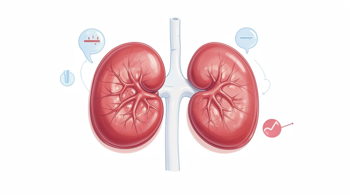
The kidneys filter blood, remove waste and excess fluid, help regulate blood pressure, balance minerals and fluids, support bone health, and contribute to red blood cell production. When kidney tissue is damaged, waste and extra fluid can accumulate, affecting several body systems rather than producing one specific symptom. 2
Chronic kidney disease develops when kidney damage or a structural problem persists and reduces the kidneys' ability to filter blood. More than 35 million adults in the United States, or more than one in seven, are estimated to have CKD, while about nine in ten people with the condition may not know they have it. 3
Early warning signs to recognize
Possible early clues include persistent tiredness or low energy, swelling in the feet, ankles, hands, or around the eyes, and changes in how often a person urinates. Urine may appear unusually foamy when protein is present, although appearance alone cannot establish the cause. These changes warrant discussion with a healthcare professional, particularly when they persist or occur with known risk factors. 1
Urination changes can include increased frequency, especially at night, reduced output, or visible blood. Foamy urine may indicate albumin or another protein in the urine, while blood can have several possible causes, including problems elsewhere in the urinary tract. Symptoms should not be used to confirm or exclude kidney disease because early CKD may produce none. 4
Symptoms that may appear as disease progresses
As kidney function declines, waste products and fluid can build up. Possible effects include worsening fatigue, poor appetite, nausea, itching, sleep problems, muscle cramps, and difficulty concentrating. These symptoms are not unique to kidney disease, but a persistent combination can indicate that kidney function or the body's fluid and mineral balance requires evaluation. 7
Shortness of breath may occur when fluid accumulates or when kidney disease contributes to anemia. Swelling can also become more pronounced in the legs, feet, hands, or face. High blood pressure may both contribute to kidney damage and become harder to control as kidney function declines, creating a cycle that requires medical monitoring. 5
Who faces a higher risk
Diabetes and high blood pressure are the two principal causes of chronic kidney disease identified in the supplied clinical sources. High blood sugar can damage the small blood vessels in the kidneys over time, while elevated blood pressure can injure kidney structures and accelerate loss of filtering capacity. Managing these conditions is therefore central to kidney-risk assessment. 1
Other recognized risk factors include cardiovascular disease, a family history of kidney disease or kidney failure, older age, and certain medicines that can injure the kidneys. People with these risk factors may have CKD without symptoms, so screening decisions should be based on medical history as well as how a person feels. 2
- Diabetes
- High blood pressure
- Heart and blood vessel disease
- Family history of kidney disease or kidney failure
- Older age and potentially kidney-injuring medicines
How clinicians check kidney function
Routine blood and urine testing can identify kidney problems before symptoms become apparent. A blood test is used to estimate glomerular filtration rate, or eGFR, which reflects how effectively the kidneys filter blood. A urine test measures albumin and can detect protein that may pass into urine when kidney filters are damaged. 6
NIDDK guidance states that an eGFR of 60 or more is generally in the normal range, an eGFR below 60 may indicate kidney disease, and an eGFR of 15 or less is associated with kidney failure. Results require clinical interpretation and follow-up rather than a conclusion based on one number alone. People with diabetes are advised to receive yearly checks, while testing frequency for other risk groups should be discussed with a healthcare provider. 6
| Evaluation | What it assesses |
|---|---|
| Blood test | Estimated glomerular filtration rate and kidney filtering function |
| Urine test | Albumin, protein, blood, or other abnormalities |
| Blood pressure check | A major kidney-disease risk factor and possible complication |
When symptoms require prompt assessment
A sudden major reduction in urine, rapidly worsening swelling, severe breathlessness, confusion, or persistent vomiting can signal acute kidney injury or a serious complication. Acute kidney injury differs from slowly developing CKD because it can follow a sudden event, including dehydration, infection, medication-related injury, or temporary blockage. Such symptoms require prompt medical assessment rather than home observation. 7
Visible blood in urine, persistent changes in urination, or new swelling also deserve medical review, especially for people with diabetes, hypertension, cardiovascular disease, or a family history of kidney failure. Early identification can help clinicians address the underlying cause, manage complications, and slow further damage, although symptoms alone cannot determine whether injury is temporary or chronic. 2
Protective measures described by NIDDK include managing diabetes and high blood pressure, maintaining a healthy weight, eating appropriately, staying physically active, and avoiding medicines that can injure the kidneys unless medically advised. These measures do not replace testing, particularly because CKD may remain symptom-free until advanced. 2
Sources
- Stony Brook Medicine, “Kidney Disease: Early Signs, Causes, Stages & Prevention”
- National Institute of Diabetes and Digestive and Kidney Diseases, “What Is Chronic Kidney Disease in Adults?”
- UCLA Health, “What to know about kidney health”
- AdventHealth, “What Are the Symptoms of Kidney Disease?”
- NIH News in Health, “Curbing Chronic Kidney Disease”
- National Institute of Diabetes and Digestive and Kidney Diseases, “Chronic Kidney Disease Tests & Diagnosis”
- National Institute of Diabetes and Digestive and Kidney Diseases, “Kidney Failure: Symptoms and Causes”
Authored by 24Trendz team