Top natural tips for immune support: An evidence-based review
Claims about the top natural tips for immune support often focus on foods, sleep, exercise, and supplements. Available evidence indicates that the most dependable approach is not to “supercharge” immunity, but to support normal immune function through consistent habits and to distinguish established measures from claims with limited evidence.12
1. Build meals around varied, nutrient-dense foods
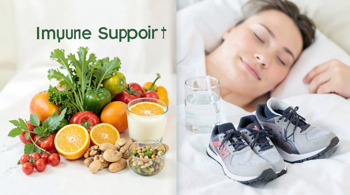
A varied diet supplies nutrients involved in immune activity, including vitamins A, B6, C, and E, along with zinc and selenium. Cleveland Clinic identifies eggs, dairy foods, salmon, leafy greens, broccoli, sweet potatoes, carrots, chickpeas, tofu, tuna, nuts, and citrus fruits as practical food sources. These foods support white blood cells, T cells, protective mucus membranes, and other normal defenses, especially when included as part of an overall balanced eating pattern.3
Plant-rich eating also supports the digestive tract and its microbiome, which are closely connected with immune function. Research summaries supplied for this topic associate fruits, vegetables, nuts, and seeds with essential antioxidant nutrients, while dietary guidance emphasizes that nutrition helps maintain an effective response to viruses, bacteria, and other illnesses. Food-first planning is generally more informative than treating one ingredient as an isolated immune cure.56
2. Treat sleep as a central immune habit
Sleep is among the strongest lifestyle factors identified in the supplied research. During sleep, immune processes help coordinate immune-cell movement, reduce chronic inflammation, and train cells to recognize germs. Sleep also affects natural killer cells, B cells, and T cells, which contribute to early defense and immune memory. Experimental evidence has linked sleep with the strength of responses to vaccines and with susceptibility to certain infections.2
For adults, the commonly cited target is approximately seven to nine hours per night. The research notes that about one-third of adults do not obtain enough sleep, and that restricted sleep can make immune responses less effective while increasing inflammation. A practical interpretation is that regular sleep timing and sufficient duration are more credible forms of immune support than short-term products marketed as rapid fixes.27
3. Use regular, moderate physical activity
Moderate exercise is another recurring recommendation across the research material. Physical activity improves circulation, allowing immune cells to move through the body more effectively, and is associated with lower inflammation. The cited clinical guidance recommends roughly 150 minutes of moderate endurance exercise each week, combined with strength training, although individual capacity and medical conditions affect what is appropriate.36
Exercise should be understood as a consistent health behavior rather than an intensive immune challenge. The supplied evidence describes regular moderate activity as supportive, while broader guidance warns that immune health depends on balance and recovery rather than overstimulation. People with illness, significant fatigue, or limitations affecting movement may require individualized advice before changing exercise patterns.14
4. Support gut health with fiber and fermented foods
The digestive tract houses a large portion of immune activity and contains the gut microbiome, a community of microorganisms involved in intestinal barrier function and immune signaling. Yogurt, kefir, kimchi, miso, sauerkraut, and other fermented vegetables are identified as foods that can support beneficial bacteria. Including a range of plant foods also provides the nutrients and fiber that help sustain a diverse dietary pattern.45
Fermented foods should not be confused with guaranteed protection from infection. Their role is supportive, and effects can vary according to the food, the individual, and the broader diet. Evidence supplied for this topic links microbiome health with immune response, but it does not establish that one probiotic food or supplement prevents every respiratory or digestive illness. That distinction helps avoid exaggerated interpretations of gut-health claims.85
5. Manage stress, hydration, and vitamin D status
Chronic stress is associated with persistently elevated cortisol and reduced immune efficiency over time. The research recommends stress-relief practices as part of a broader plan, while practical approaches in the supplied material include slowing down during meals, breathing exercises, and other techniques that encourage relaxation. These measures are not substitutes for medical care, but they address a modifiable factor linked with immune regulation.410
Hydration supports lymph production and the transport of white blood cells and other immune components. Vitamin D also has a role in modulating immune responses, and low status is associated with more frequent infections in the supplied sources. Sun exposure and supplementation may be relevant, but vitamin D testing and supplementation decisions should account for personal circumstances rather than assuming that higher intake is automatically better.9113
6. Evaluate supplements and immune claims cautiously
Vitamin C, vitamin D, zinc, selenium, vitamin A, vitamin B6, and probiotics appear in the research as nutrients or food categories connected with immune function. However, the evidence supports correcting inadequate intake or deficiency more clearly than taking multiple high-dose products without assessment. Garlic and elderberry are also discussed in general immune-health material, but isolated compounds and traditional use should not be presented as proven prevention for all infections.134
The principal risk is confusing “natural” with universally safe or clinically proven. Supplements can distract from sleep, diet, exercise, and vaccination, which the supplied epidemiological review describes as among the most powerful tools for reducing infection risk. Product claims should be assessed against medical evidence and applicable health oversight, while people with chronic conditions, pregnancy, medication use, or suspected deficiency should obtain individualized clinical guidance before supplementation.21
Sources
- Scientific American
- Your Local Epidemiologist
- Cleveland Clinic
- PartnerMD
- Prevention
- Harvard Health Publishing
- Mayo Clinic
- Johns Hopkins Medicine
- National Institutes of Health Office of Dietary Supplements
- American Psychological Association
- Medical News Today
Authored by 24Trendz team