Early symptoms of Seasonal Allergies you should know: A Clinical Guide to Recognizing Pollen Reactions
Early symptoms of Seasonal Allergies you should know include repeated sneezing, a clear runny or blocked nose, itchy eyes, and throat irritation. These symptoms commonly reflect allergic rhinitis, an inflammation of the nasal passages, throat, and eye membrane caused by sensitivity to airborne pollen or mold. 1
What seasonal allergies are
Seasonal allergies, also called hay fever or seasonal allergic rhinitis, occur when the immune system reacts to airborne substances from trees, grasses, weeds, or molds. Wind-carried pollen is a major trigger because it can remain suspended in the air and reach the nose, throat, and conjunctiva, the membrane covering the eyes. The resulting inflammation can produce symptoms in several connected areas rather than only in the nose. 1
The timing depends on the plant involved and the local environment. Harvard Health reports that tree-pollen symptoms in temperate North America are commonly worst from March through May, grass-pollen symptoms peak in June and July, and ragweed symptoms are often strongest from mid-August through October. Mold-related symptoms are less predictable and may be associated with warm, rainy weather. 1
Early nasal warning signs
Repeated or sudden sneezing is one of the most recognizable early signs. It is commonly accompanied by a clear, watery runny nose, nasal blockage, or a sensation that the nose is irritated or itchy. Symptoms may appear soon after outdoor exposure and can return during recurring pollen periods. The University of Kentucky identifies frequent sneezing, clear nasal discharge, congestion, and an itchy throat as common allergy features. 5
Nasal inflammation can also cause postnasal drip, in which mucus moves from the back of the nose toward the throat. This may lead to repeated throat clearing, coughing, hoarseness, or a feeling of mucus in the throat. Congestion can contribute to sinus pressure and headaches, while nighttime obstruction may interfere with sleep. These symptoms can continue for days or weeks when exposure persists. 3
Eye, throat, and mouth symptoms
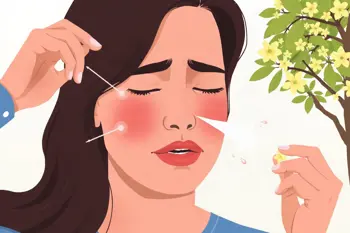
Itchy, watery, red, or swollen-looking eyes are particularly characteristic of pollen-related allergies. Some people notice burning or irritation in the eyes along with nasal symptoms, a pattern often described as allergic conjunctivitis. Yale Medicine lists itchy, watery, and red eyes among the effects of the immune response to pollen, along with congestion, sneezing, and sinus pressure. 3
Itching may also affect the nose, ears, throat, mouth, or roof of the mouth. This distribution helps distinguish allergy irritation from many ordinary respiratory infections, because itching is much more common with allergies than with a cold or flu. An itchy throat can occur with or without postnasal drip, and coughing may develop as the upper airway remains irritated. 4
Fatigue and symptoms that appear indirectly
Seasonal allergies do not always feel limited to sneezing and itching. Nasal congestion, persistent irritation, and poor-quality sleep can contribute to fatigue during a pollen season. Headaches may also occur when congestion produces pressure, and a sore or irritated throat may follow drainage from the nose. The University of Kentucky notes that fatigue or headaches can result from congestion and disrupted sleep. 5
Symptoms may be mild at first and become more noticeable after repeated exposure. A person might initially experience morning sneezing, occasional eye watering, or frequent throat clearing before developing more persistent congestion. The American Medical Association reports that seasonal allergies can affect sleep, work, and overall well-being, making early recognition relevant even when symptoms are not severe. 2
How seasonal patterns help identify symptoms
A recurring calendar pattern is an important clue. Tree pollen commonly appears earlier in the year, grass pollen tends to peak later in spring and summer, and weed pollen becomes more prominent in late summer and fall. Children’s Mercy notes that tree pollination can begin as early as February, with different tree species producing pollen between February and May, while grass pollen commonly follows in May and June. 10
Weather and geography also influence exposure. Yale Medicine reports that warmer temperatures can cause plants to grow earlier and produce stronger pollen, while increasingly unpredictable weather may contribute to longer or less predictable allergy seasons. Outdoor mold may be more closely related to warm, rainy conditions than to a fixed calendar period. Symptoms that improve indoors or on days with lower pollen levels can further support an allergy explanation. 3
Allergies compared with a cold or asthma symptoms
Seasonal allergies are not contagious because they result from an immune reaction rather than a virus. Sneezing, congestion, runny nose, itchy eyes, postnasal drip, and mild fatigue commonly occur with allergies. A cold may instead develop gradually and can include a sore throat, cough, body aches, general fatigue, or a mild fever. Itching and a repeating seasonal pattern are stronger clues for allergies than for a typical cold. 4
People with asthma may notice more than upper-airway symptoms when seasonal allergens are present. Coughing, wheezing, chest tightness, or shortness of breath can worsen alongside allergic rhinitis. The American Lung Association identifies allergic rhinitis as a possible trigger for coughing and postnasal drip and notes that it may aggravate asthma symptoms. Breathing difficulty should not be assumed to be ordinary hay fever and warrants appropriate medical evaluation. 9
Tracking symptoms and avoiding misinterpretation
Keeping track of when symptoms begin, where exposure occurs, and whether they recur during the same season can help clarify patterns. Outdoor activity, local pollen levels, and rainy or dry weather may affect symptom intensity. The University of Kentucky reports that symptoms may improve indoors or on rainy days when pollen counts are lower, then flare after outdoor activity. Such observations do not by themselves confirm a specific allergy. 5
Persistent or disruptive symptoms can have several possible explanations, including seasonal allergies, a cold, flu, mold sensitivity, or asthma-related airway symptoms. Allergy testing may help identify individual triggers, according to the American College of Allergy, Asthma and Immunology. Management also requires attention to medication use: the Guardian reports that overused nasal decongestants can worsen congestion through a rebound effect and should not be used beyond three days without appropriate medical guidance. 68
Sources
- Harvard Health, Hay Fever (Allergic Rhinitis)
- American Medical Association, What doctors want patients to know about seasonal allergies
- Yale Medicine, Seasonal Allergies Are Back: What Can You Do About It?
- Ascension, Is it allergies, a cold or the flu?
- University of Kentucky UKNow, Not all sniffles are allergies
- American College of Allergy, Asthma & Immunology, Spring Allergies
- UCHealth Today, Is it a springtime allergy or cold?
- The Guardian, How to manage seasonal allergy symptoms
- Cleveland Clinic, Summer Allergies: Triggers, Symptoms and Management
- Children’s Mercy, Understanding seasonal allergies in children
Authored by 24Trendz team