Warning signs of stroke: A Clinical Guide to Recognizing Emergency Symptoms
Understanding the Mechanics of a Stroke
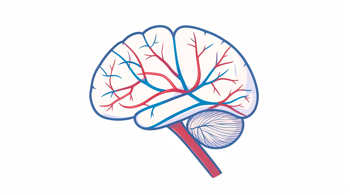
A stroke occurs when the blood supply to the brain is either interrupted or severely reduced, preventing vital oxygen and nutrients from reaching brain cells 1. When this supply is cut off, even for a short duration, brain cells begin to die within minutes 2. Clinical classifications typically divide strokes into three categories: ischemic strokes caused by clots, hemorrhagic strokes resulting from bleeding, and transient ischemic attacks (TIAs), which serve as critical warning signs of potential permanent injury 3. An estimated 795,000 individuals experience a stroke annually in the United States, making it a leading cause of long-term disability and death 4.
Medical professionals emphasize that stroke recovery outcomes are often dictated by the speed of initial treatment 5. Because 1.9 million brain cells die every minute blood flow is absent, there is no room for observational delays 5. While high blood pressure, diabetes, smoking, and obesity are documented risk factors, a stroke can manifest in any individual, regardless of age or physical background 2. Recognizing symptoms as they occur is the primary mechanism for mitigating long-term neurological damage 6.
The BE FAST Framework for Symptom Recognition
To simplify the identification of emergency symptoms, the medical community utilizes the BE FAST acronym, which expands upon earlier diagnostic protocols 2. This mnemonic provides a structured way to evaluate individuals exhibiting sudden, uncharacteristic behavior 7. Every component of the acronym represents a critical neurological function that, if compromised, requires immediate activation of emergency services 2. The following table outlines the components of this framework to assist in rapid assessment.
| Letter | Symptom | Assessment Method |
|---|---|---|
| B | Balance | Sudden loss of balance, coordination, or difficulty walking. |
| E | Eyes | Sudden vision changes, such as dimness or loss of vision. |
| F | Face | Facial drooping or numbness, often on one side. |
| A | Arms | Weakness or numbness in one arm or leg. |
| S | Speech | Slurred speech or difficulty understanding language. |
| T | Time | Call 911 immediately if any signs are present. |
Evaluating Neurological Red Flags
Beyond the standard BE FAST assessment, there are additional clinical signs that may indicate a cerebral event. A sudden, severe headache that lacks a known cause is frequently cited by medical experts as a potential warning sign, particularly when accompanied by other neurological deficits 1. Patients may also experience sudden confusion, nausea, or vomiting that is unrelated to viral illness 1. These symptoms often appear abruptly, leaving little time for individuals to assess their condition before functionality begins to decline 4.
The presentation of these symptoms can vary significantly depending on the specific area of the brain affected by the lack of blood flow 5. For example, if a blockage occurs in a vessel supplying the speech center, the individual will struggle with communication, whereas a blockage on one side of the brain typically manifests as physical impairment on the opposite side of the body 5. Understanding that these symptoms often emerge as a combination of deficits rather than a single isolated event is vital for accurate recognition 4.
The Critical Role of Transient Ischemic Attacks
A transient ischemic attack (TIA), frequently described as a mini-stroke, presents with the same symptoms as a standard stroke but typically resolves within a few minutes to an hour 1. While the transient nature of these symptoms might lead some to believe the danger has passed, clinical standards view a TIA as a significant medical emergency 1. A TIA is a potent indicator of high short-term risk for a future, more permanent stroke, necessitating urgent medical evaluation within 24 hours of the episode 1.
Patients should never assume that the resolution of symptoms eliminates the need for professional intervention 9. Because a TIA serves as a precursor or warning signal, proactive diagnostic imaging and cardiovascular screening are typically performed to identify the underlying cause of the temporary clot 1. Ignoring a TIA because it is fleeting is considered a major obstacle to preventing major, life-altering ischemic events in the future 12.
Responding to a Potential Stroke
The standard of care for any suspected stroke is the immediate activation of the emergency medical system by calling 911 1. It is strongly advised against for the patient or bystanders to attempt to drive to the hospital, as professional medical teams can initiate life-saving protocols and alert stroke specialists while in transit 6. Treatment efficacy is time-dependent, and the diagnostic capabilities available in an emergency setting are required to differentiate between types of strokes before medical administration can occur 6.
Healthcare organizations emphasize that there is no benefit to waiting to see if symptoms will pass on their own 8. The goal of emergency responders is to establish stable blood flow to the affected area as rapidly as possible to limit cell death 5. Even in cases where the signs are subtle, such as minor speech difficulty or mild physical weakness, the diagnostic protocol remains the same: contact emergency services immediately to facilitate urgent neurological assessment 4.
Risk Management and Long-Term Considerations
While the immediate focus is on acute response, managing long-term risk factors is a component of comprehensive neurological health 6. Ongoing clinical oversight involves monitoring blood pressure, managing diabetes, and addressing lifestyle choices that influence vascular health 2. Regular consultations with a primary care provider or a neurologist are recommended for those with existing risk factors to monitor the effectiveness of preventive measures 9. Managing atherosclerosis, or the buildup of fatty deposits in arterial walls, is a major focus in reducing the incidence of thrombotic strokes 3.
Education regarding the subtle nature of stroke is equally important, as some patients report that symptoms appear during routine activities or interactions, initially presenting as minor confusion or balance issues rather than dramatic physical collapse 4. By maintaining an awareness of the BE FAST warning signs, individuals can ensure they are equipped to recognize these crises in themselves or others, thereby facilitating the rapid medical response required to preserve quality of life and minimize long-term impairment 2.
Sources
- Johns Hopkins Medicine - Stroke Information
- Mayo Clinic News Network - Stroke Warning Signs
- Harvard Health Publishing - Stroke Overview
- Dartmouth Health - Recognition of Stroke Symptoms
- UNC Health Talk - Emergency Stroke Recognition
- Scripps Health - BE FAST Framework
- UCI Health - Stroke Education Resources
- Ascension - Emergency Stroke Response
- Rush Memorial Hospital - Stroke Symptom Identification
- Bon Secours - Warning Signs of Stroke
- Centers for Disease Control and Prevention - Stroke Resources
- Stroke Association - TIA and Stroke Risks
Authored by 24Trendz team