Best Hospitals in the US for Epilepsy: Analyzing Clinical Excellence and Accreditation Standards
When seeking high-level care for epilepsy and seizure disorders, identifying institutions with advanced diagnostic and therapeutic capabilities is critical for patient outcomes. Rather than relying on singular rankings, medical professionals and patients often prioritize facilities accredited by the National Association of Epilepsy Centers (NAEC) 1. These institutions are categorized by levels of specialized care, with Level 4 centers representing the highest designation for providing the most complex medical, neuropsychological, and surgical interventions available 2, 3. This guide examines the standards of excellence applied at leading neurology centers across the United States.
Understanding NAEC Accreditation Levels
The NAEC accreditation process serves as a formal benchmark for determining the capacity of a hospital to manage seizure disorders. Level 3 and Level 4 centers are required to meet strict criteria regarding their medical staff expertise, neurodiagnostic equipment, and access to surgical services 1. A Level 4 center, specifically, must offer a complete continuum of epilepsy care, including intensive inpatient neurodiagnostic monitoring, extensive medical management, and specialized epilepsy surgery, such as intracranial electrode implantation and various resection procedures 3, 5. Facilities designated as Level 4 are equipped to handle the most medically resistant or complex epilepsy cases 2, 7.
Clinical Excellence in Neurological Care
In addition to specific epilepsy designations, many institutions are recognized for their broader contributions to neurology and neurosurgery. Major health systems like the Mayo Clinic, Massachusetts General Hospital, NYU Langone, UCSF Medical Center, and The Johns Hopkins Hospital are frequently highlighted for their multidisciplinary approach to neurological diseases, including epilepsy, brain tumor surgery, and Parkinson’s disease 6. These hospitals integrate various specialties-such as neuroradiology, neuropsychology, and neurosurgery-to ensure that the root cause of seizures is accurately identified and addressed through highly personalized treatment plans 4, 5.
| Metric | Focus Area |
|---|---|
| Accreditation | NAEC Level 4 Center Status |
| Diagnostic Tools | Video-EEG, MRI, MRA, Brain Mapping |
| Treatment Scope | Medication, Neuromodulation, Resection Surgery |
| Multidisciplinary | Epileptologists, Neurosurgeons, Neuropsychologists |
Advanced Diagnostics and Inpatient Monitoring
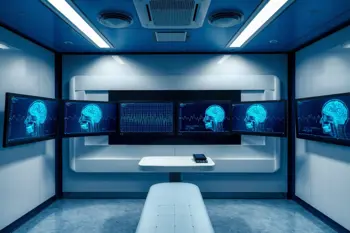
Accurate diagnosis is the foundational step in treating both new-onset and long-term epilepsy. Leading centers utilize state-of-the-art neurodiagnostic labs and Epilepsy Monitoring Units (EMUs) to identify focal points of seizure activity that may otherwise go undetected 2. These units allow for continuous observation, which is vital for patients with drug-resistant epilepsy who may require a detailed mapping of their brain’s electrical activity 3, 8. Techniques such as high-strength magnetic resonance imaging (MRI) and computational analysis are now standard tools for pinpointing subtle structural abnormalities that serve as the origin of a patient’s seizures 4.
Addressing Drug-Resistant Epilepsy
Approximately 30% of individuals with epilepsy experience drug-resistant, or refractory, epilepsy, where anti-seizure medications fail to provide adequate control 8. For these patients, comprehensive centers provide essential evaluations to determine surgical candidacy. Treatment at these facilities has evolved significantly; twenty years ago, surgical options were limited, whereas today, physicians can offer a range of solutions from minimally invasive neuromodulation to complex resections 9. Managing this condition is critical to prevent risks such as sudden unexpected death in epilepsy (SUDEP), as well as to minimize impacts on memory, employment, and daily functioning 8.
The Multidisciplinary Treatment Approach
Effective epilepsy management at major medical centers is rarely the work of a single practitioner. Instead, care is provided by a coordinated team including adult and pediatric epileptologists, neurosurgeons, epilepsy nurses, and advanced practice providers 9. This team-based structure allows for the management of coexisting conditions often associated with epilepsy, such as depression, anxiety, genetic disorders, and learning disabilities 5. Pediatric-specific centers, such as the neuroscience institutes found within major children’s hospitals, offer additional support for families, addressing quality-of-life issues that are unique to the developmental needs of children 4, 7.
Research, Clinical Trials, and Future Directions
Many of the nation’s top epilepsy programs are also academic and research institutions that host clinical trials, providing patients with early access to emerging diagnostic techniques and precision medicine treatments 2. Participation in these research efforts allows patients to contribute to the broader understanding of epilepsy, while specialists at these centers often serve as thought leaders for national and international epilepsy societies 3. This research-heavy environment ensures that even the most complex, rare, or treatment-refractory cases have access to the latest scientific advancements in neurotechnology and pharmacology 9.
Sources
- National Association of Epilepsy Centers (https://naec-epilepsy.org/find-a-center)
- Penn Medicine Comprehensive Epilepsy Center (https://www.pennmedicine.org/specialties/comprehensive-epilepsy-center)
- Montefiore Einstein Comprehensive Epilepsy Center (https://montefioreeinsteinadvancedcare.org/services/comprehensive-brain-health-center/epilepsy)
- Mayo Clinic Epilepsy Overview (https://www.mayoclinic.org/departments-centers/epilepsy-subspecialty-group/overview/ovc-20441647)
- OU Health Epilepsy Program (https://www.ouhealth.com/health-services/neurosciences/epilepsy/)
- Newsweek America's Best Hospitals for Specialized Care 2026 (https://rankings.newsweek.com/americas-best-hospitals-for-specialized-care-2026/neurological-care)
- Norton Children's Neuroscience Institute (https://nortonchildrens.com/services/neurosciences/conditions/epilepsy-diagnosis-and-treatment/)
- Ohio State Health & Discovery (https://health.osu.edu/health/brain-and-spine/drug-resistant-epilepsy-advanced-treatment)
- Duke Comprehensive Epilepsy Center (https://physicians.dukehealth.org/articles/duke-comprehensive-epilepsy-center-builds-precision-approach-surgical-care)
Authored by 24Trendz team