Best hospitals in US for cerebral palsy: A clinical comparison of specialized care
Families researching the best hospitals in US for cerebral palsy are generally looking for coordinated teams rather than a single specialist or procedure. The strongest programs described in the available research combine neurology, rehabilitation, orthopedics, therapy, diagnostic assessment, family support, and, when appropriate, surgical spasticity management.
How specialized cerebral palsy programs are evaluated
A hospital’s suitability for cerebral palsy care depends on the patient’s age, motor pattern, communication needs, medical complexity, treatment goals, and need for ongoing rehabilitation. Specialized centers commonly coordinate pediatric neurology, orthopedic surgery, physical medicine and rehabilitation, physical and occupational therapy, speech therapy, nursing, nutrition, social work, and gait or movement analysis. 1
A center of excellence is not defined only by reputation or a high ranking. Coordinated appointments, access to diagnostic imaging, individualized therapy, assistive equipment, tone management, orthopedic monitoring, and transition planning may be more relevant than a general hospital ranking. A multidisciplinary model is intended to reduce fragmented decision-making and align medical treatment with mobility, independence, comfort, and quality-of-life goals. 2
Boston Children’s Hospital and nationally recognized pediatric care
Boston Children’s Hospital operates a Cerebral Palsy and Spasticity Center described as one of the oldest and most comprehensive programs in the country, with more than 60 years of experience in cerebral palsy diagnosis and treatment. Its clinicians address children across the spectrum of CP, including patients with multiple complex medical issues, and arrange care from multiple providers during one visit when appropriate. 1
The center offers medical tone management, including botulinum toxin injections and anti-spasticity medication, as well as multilevel orthopedic surgery, selective dorsal rhizotomy, baclofen pumps, and combined rhizotomy. Its specialized gait analysis laboratory uses multiple cameras to evaluate gait abnormalities and help determine treatment options. U.S. News has also identified Boston Children’s among the leading pediatric neurology and neurosurgery hospitals. 4
Hospitals with coordinated and lifelong care
Mayo Clinic describes a team model that includes neurologists, pediatric neurologists, neurosurgeons, orthopedic surgeons, and physical medicine and rehabilitation specialists. Therapists, nurses, dietitians, speech professionals, social workers, and other clinicians contribute to care for both children and adults, while pediatric services can transition into coordinated adult care as a patient grows. 3
ColumbiaDoctors’ Weinberg Family Cerebral Palsy Center specifically addresses children, adolescents, and adults. Its services include transitional and adult care, multidisciplinary specialty care, spasticity management, neuromodulation, rehabilitation therapies, wheelchair and bracing support, adaptive equipment, mental health services, care coordination, research, and patient education. This makes lifespan planning a central consideration when comparing hospitals. 5
| Program | Research-described capabilities |
|---|---|
| Boston Children’s Hospital | Multidisciplinary pediatric CP and spasticity care, gait analysis, surgery, and tone management |
| Mayo Clinic | Coordinated pediatric and adult specialists with transition planning |
| ColumbiaDoctors | Child, adolescent, and adult CP care with rehabilitation and adaptive equipment services |
| UCSF Benioff Children’s Hospitals | Specialized selective dorsal rhizotomy and pediatric rehabilitation |
Spasticity, surgery, and rehabilitation expertise
Selective dorsal rhizotomy is a surgical procedure intended to reduce muscle tightness in children with spasticity by selectively cutting nerve rootlets that send excessive excitatory signals to muscles. UCSF Benioff Children’s Hospitals reports more than 20 years of experience with SDR through its Peacock Cerebral Palsy and Movement Disorders Center, which it identifies as the largest spasticity treatment program in Northern California. 6
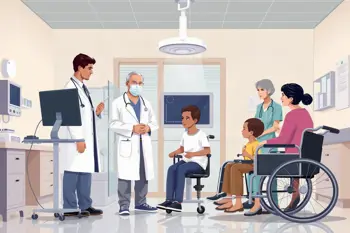
SDR is not a cure for cerebral palsy and does not enable every child to walk independently. UCSF emphasizes that rehabilitation and physical therapy are key parts of recovery, with pediatric specialists involved before, during, and after surgery. Riley Children’s Health similarly brings pediatric neurosurgery, orthopedic surgery, rehabilitation medicine, and physical therapy together for spasticity, dystonia, mixed movement disorders, and related orthopedic complications. 6 7
Complex care, navigation, and family support
Children with cerebral palsy may have needs extending beyond movement, including communication, cognition, nutrition, respiratory health, mental health, pain, seizures, and orthopedic complications. Boston Children’s describes complex-care support for children with multiple associated conditions, while ColumbiaDoctors lists mental health, equipment, care coordination, and family support as components of its CP program. 1 5
Nicklaus Children’s Hospital’s Cerebral Palsy and Neuromotor Comprehensive Care Center combines specialists from neurology, orthopedics, neurosurgery, rehabilitation, genetics, physiatry, cardiology, pulmonology, palliative care, nutrition, and social work. The program also describes a dedicated nurse navigator for coordination of medical, therapeutic, and community resources. These services illustrate why administrative navigation can be as important as procedural expertise for medically complex patients. 8
Eligibility, risks, and practical comparison factors
Not every patient is eligible for every intervention. Candidacy for SDR, baclofen pump placement, orthopedic surgery, botulinum toxin, or other tone-management approaches depends on clinical evaluation, motor characteristics, medical history, goals, and anticipated rehabilitation needs. Surgery also requires postoperative therapy and follow-up, while equipment such as wheelchairs, braces, and adaptive devices may require ongoing assessment, adjustment, and replacement over time.
Families comparing hospitals should ask whether the program treats the relevant age group, provides gait or movement analysis, coordinates neurology and orthopedics, offers inpatient and outpatient rehabilitation, manages complex associated conditions, and supports transition into adult care. Travel, insurance authorization, referral requirements, appointment availability, rehabilitation logistics, and the need for repeated follow-up can create practical friction even at highly specialized institutions. A second opinion may be useful when major surgery or lifelong treatment decisions are being considered.
Specialized treatment facilities can offer customized therapy, orthopedic interventions, medications for muscle tone, assistive devices, sports and recreation programs, and movement analysis. However, the most appropriate hospital is determined by the individual’s needs rather than by a universal ranking. The available evidence supports comparing program scope, clinical collaboration, rehabilitation capacity, and long-term continuity before selecting a care pathway. 9
Sources
- Boston Children’s Hospital, Cerebral Palsy and Spasticity Center: https://www.childrenshospital.org/services/cerebral-palsy-and-spasticity-center
- CP Family Help, Top Hospitals for Cerebral Palsy Rehabilitation: https://cpfamilyhelp.com/top-hospitals-for-cerebral-palsy-rehabilitation/
- Mayo Clinic, Cerebral Palsy Care: https://www.mayoclinic.org/diseases-conditions/cerebral-palsy/care-at-mayo-clinic/mac-20354009
- U.S. News & World Report, Children’s Hospitals for Neurology and Neurosurgery: https://health.usnews.com/health-care/best-hospitals/slideshows/best-childrens-hospitals-for-neurology-and-neurosurgery
- ColumbiaDoctors, Weinberg Family Cerebral Palsy Center: https://www.columbiadoctors.org/specialties/neurology/our-services/cerebral-palsy
- UCSF Benioff Children’s Hospitals, Selective Dorsal Rhizotomy: https://www.ucsfbenioffchildrens.org/treatments/selective-dorsal-rhizotomy
- Riley Children’s Health, Surgical Spasticity Program: https://www.rileychildrens.org/departments/surgical-spasticity-program
- Nicklaus Children’s Hospital, CP and Neuromotor Comprehensive Care Center: https://www.floridatrend.com/sponsored-report/2025/12/01/nicklaus-childrens-hospitals-cerebral-palsy-neuromotor-comprehensive-care-center/
- Cerebral Palsy Guide, Treatment Facilities: https://www.cerebralpalsyguide.com/community/facilities/
Authored by 24Trendz team