Easy home treatments for cold hands and feet: An analysis of clinical and traditional approaches
Understanding the Physiological Basis of Cold Extremities
Cold hands and feet are frequently a normal physiological response to environmental conditions rather than an indication of a severe medical issue 1. When the body is exposed to lower temperatures, it naturally constricts blood vessels in the extremities to conserve warmth for vital organs such as the heart and lungs 1, 3. This regulation process is a standard function of the vascular system, intended to preserve core body temperature during cold spells or instances of exposure 1, 3. Individuals who feel cold despite being in a comfortable environment may be experiencing this normal biological process, though frequent coldness can occasionally point to underlying health factors 1, 3.
Beyond environmental factors, biological differences such as muscle mass can influence how an individual perceives cold 4. Some people naturally run colder than others, a trait that is often considered harmless 1, 4. However, when cold hands and feet occur frequently, even in warm environments, it may signal potential circulation issues, anemia, thyroid disorders, diabetes, or cardiovascular conditions 3, 5. Identifying the root cause is essential for those who find the sensation persistent, as distinguishing between a benign temperature response and a medical indicator is the first step toward effective management 3, 5.
Traditional Chinese Medicine Perspectives on Internal Warmth
Traditional Chinese Medicine (TCM) offers a distinct framework for understanding cold extremities, focusing on the concepts of Qi, Yin, and Yang 2. In this tradition, cold hands and feet are often viewed as a clinical sign that the body's internal warming energy, known as Yang Qi, is insufficient or is not circulating effectively to the limbs 6, 9. Practitioners often categorize these symptoms into patterns, such as Yang deficiency, where the body's metabolic furnace is low, or blood stagnation, where energy flow is blocked despite adequate internal heat 9.
TCM approaches typically aim to strengthen the body's foundational energy rather than simply applying external heat 9. For instance, clinical practitioners may recommend specific dietary adjustments, mindfulness practices, and targeted movement to restore balance 2. Some common strategies include the use of specific herbs like cinnamon twig to promote circulation or performing acupressure on points such as Yongquan (KI1) on the sole of the foot to help ground the body and stimulate energy pathways 8, 9. These methods reflect a holistic focus on connecting the limbs to the core organ systems 5, 8.
Physical Strategies for Warming and Circulation
For those seeking to address cold extremities through lifestyle modifications, increasing physical movement is a primary recommendation 4, 7. Regular exercise, including activities like walking and gentle stretching of the fingers and toes, can significantly support blood circulation and help warmth reach the periphery 4, 7. In TCM-informed practice, specific movements like the Eight Brocades (Ba Duan Jin) are suggested to activate key meridians and support the body's internal energy flow 7.
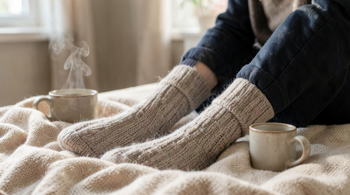
Maintaining an appropriate environment is equally important. Utilizing layered clothing, insulated gloves, and warm socks helps reduce heat loss from the body's surface 7. When rewarming cold hands and feet, it is advised to use gentle methods such as warm water or extra clothing layers rather than immediate, high-intensity heat 7. This is particularly important for individuals with reduced sensation, such as those with diabetes, who may not be able to detect if a heat source is damaging the skin 7, 15. Avoiding direct contact with radiators, heating pads, or hot-water bottles is a critical safety precaution to prevent accidental burns 7, 15.
Management for Chronic Conditions and Vascular Health
Certain conditions, such as Raynaud phenomenon, require specific management strategies to reduce the frequency and intensity of cold attacks 7. Key preventive measures include keeping the entire body warm to avoid triggering vascular spasms, managing psychological stress, and abstaining from smoking 7, 12. Smoking, in particular, is a known contributor to poor circulation and vessel constriction, and quitting can provide significant benefits for vascular health 3, 7. Additionally, limiting excessive caffeine and certain decongestants may help reduce triggers in sensitive individuals 7.
| Method | Primary Focus | Safety Considerations |
|---|---|---|
| Layered Clothing | Reducing heat loss | None identified |
| Gentle Movement | Improving circulation | Avoid over-exertion |
| Gradual Rewarming | Thermoregulation | Avoid hot-water bottles/direct heat |
| Stress Management | Reducing vascular spasms | None identified |
For individuals with diabetes, daily foot inspections are essential to identify injuries or sores that may go unnoticed due to nerve damage 7, 15. Consistent use of well-fitting, protective footwear and avoiding localized heat sources are central tenets of preventative foot care in this population 7, 15. Those with suspected peripheral artery disease or other cardiovascular concerns should engage in a structured medical evaluation, as symptoms like numbness, color changes, and pain in the legs or feet require specialized clinical assessment 10, 16.
When to Seek Professional Medical Guidance
While occasional cold hands and feet are rarely a cause for concern, certain symptoms warrant a professional medical review 1, 5. A clinician should be consulted if cold extremities are accompanied by severe pain, persistent skin color changes (such as white, blue, or purple digits), numbness, or the development of sores that do not heal 3, 10, 16. These may be indicators of more serious conditions such as nerve disorders, circulatory blockages, or systemic vascular diseases that require tailored medical treatment beyond home remedies 3, 5, 16.
Furthermore, if coldness is linked to additional symptoms such as unexplained fatigue, shortness of breath, dizziness, or a fast heart rate, an urgent medical evaluation is recommended 3, 16. A doctor may perform blood tests to check for anemia or thyroid imbalances and assess cardiovascular function to rule out more complex issues 3, 5. Understanding that these symptoms can be a multifaceted health signal allows for a proactive approach, ensuring that individuals receive appropriate care if their condition moves beyond simple cold exposure 3, 4.
Sources
- Cleveland Clinic - Why Are My Hands and Feet Always Cold?
- Common TCM - TCM Treatment Approaches to Cold Hands and Feet
- Tua Saude - Cold Hands and Feet: 10 Causes and When to Seek Medical Advice
- Real Simple - What It Means If Your Feet Are Always Cold
- Mayo Clinic - Cold Feet: Symptoms and Causes
- TCM Online - Cold Hands and Feet: TCM Tips for Circulation and Warmth
- General Clinical Guidelines for Peripheral Circulation and Thermoregulation
- Guoantang TCM - Cold Hands and Feet: Simple Acupressure Points
- TCMEAST - TCM for Poor Circulation and Cold Extremities
- Merck Manual - Peripheral Arterial Disease
- National Institute of Arthritis and Musculoskeletal and Skin Diseases - Raynaud's Phenomenon
- NHS - Raynaud's Phenomenon
- MedlinePlus - Raynaud's Phenomenon
- Johns Hopkins Medicine - Peripheral Artery Disease
- Centers for Disease Control and Prevention - Diabetes and Your Feet
- American Heart Association - Peripheral Artery Disease (PAD) Symptoms and Diagnosis
Authored by 24Trendz team