Ways to control joint pain at home: Evidence-based guidance for daily symptom management
Joint pain remains a primary driver of physical limitation, impacting millions of adults who navigate the complexities of degenerative conditions like osteoarthritis and systemic inflammatory diseases 7. Managing these symptoms often requires more than a single intervention, necessitating a balanced, symptom-responsive approach at home 5. Because joint issues can originate from wear-and-tear or chronic inflammatory processes, effective home management often involves a system of calming active flares while building long-term support for surrounding muscles and connective tissues 5.
The Physiological Logic of Home-Based Movement
Physical activity is frequently cited by clinical researchers as an essential pillar of joint pain management, despite the initial discomfort movement may cause 2. Guidelines generally recommend achieving 150 to 300 minutes of moderate-intensity aerobic activity per week, complemented by two sessions of strength or resistance training 2. Strengthening the muscles that surround a joint provides critical stability, which in turn reduces the mechanical load placed directly on the joint surface 2. For those experiencing significant pain, starting with low-impact options such as seated ellipticals, resistance bands, or a brisk five-minute walk can help the body readjust to activity without exacerbating underlying issues 4.
Stretching and range-of-motion exercises are equally vital to prevent the shortening of muscle fibers that occurs during prolonged periods of inactivity 6. When muscles remain tight, they place disproportionate stress on joints, which can accelerate the perception of pain during daily tasks 6. Simple, controlled movements performed consistently can help maintain joint mobility and improve long-term function 1. Incorporating practices like tai chi or yoga into a weekly routine offers dual benefits by combining physical conditioning with deep breathing and meditation, which may lower overall stress levels and reduce pain-related tension 9.
Temperature Therapy and Topical Applications
The selection of thermal or topical remedies often depends on the nature of the discomfort observed at home 9. For a stiff, creaky joint that eases with movement, applying moist heat to surrounding muscles can help relax tension and improve local circulation 1. Conversely, if a joint appears hot, swollen, or especially sensitive to touch, a cooling approach may be required to help reduce inflammation 5. Practitioners note that the distinction between these two states is key to selecting the correct, non-invasive intervention 9.
Topical medications provide another pathway for localized symptom relief without the systemic risks associated with oral pills 8. These products function through several distinct mechanisms:
- Sodium Channel Blockers: Lidocaine or prilocaine patches and gels numb nerve endings close to the skin surface, making them useful for neuropathic pain 8.
- Topical NSAIDs: Gels, sprays, or patches containing non-steroidal anti-inflammatory drugs reach the joint fluid to lower inflammatory proteins like prostaglandins 8.
- Counterirritants: Ingredients such as menthol or capsaicin create a cooling or tingling sensation that serves as a distraction from underlying pain signals, even if they do not directly alter the inflammatory process 8.
Dietary Strategies for Systemic Inflammation
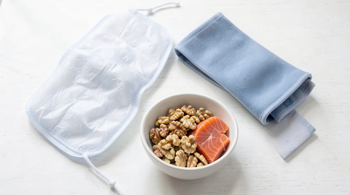
Nutritional choices serve as a foundational strategy for managing systemic inflammation, which can directly affect joint comfort 2. Research indicates that a mostly plant-based eating pattern can significantly reduce pain levels for many individuals with chronic conditions 2. Diets high in omega-3 fatty acids, such as those found in salmon, walnuts, and flaxseeds, are frequently associated with better heart health and improved circulation, both of which support overall mobility 3. Weight management remains a critical variable, as even modest reductions in body mass can significantly lessen the mechanical pressure on weight-bearing joints such as the knees, hips, and lower back 3.
Assistive Devices and Daily Modifications
Modification of the living environment is a practical way to manage pain and preserve independence 1. Assistive aids such as specialized cervical pillows for neck comfort, braces for joint stability, or ergonomic insoles can provide the mechanical support necessary to prevent unnecessary strain during daily chores 1. Small, proactive changes to how tasks are performed-such as cutting food into smaller pieces to reduce jaw force or using tools that minimize joint grip-can prevent the cumulative fatigue that often occurs by the end of the day 1. Maintaining good posture throughout the day is a subtle but effective technique to distribute weight evenly and prevent undue pressure on spinal and extremity joints 7.
The Role of Mind-Body and Complementary Therapies
Beyond standard physical modifications, complementary therapies offer alternative ways to address the muscular and nervous systems surrounding arthritic joints 9. Acupuncture, which involves the use of thin needles to stimulate specific points, is designed to activate the body's natural painkilling mechanisms and improve blood flow 9. Similarly, professional or self-administered massage techniques can help release muscle tension, provided they are applied with moderate pressure and avoided during periods of acute, tender flares 9. Integrating these methods into a broader plan, often with guidance from a healthcare provider, can help individuals maintain a higher level of functional capacity 2.
Clinical Coordination and Symptom Awareness
Effective management begins with an accurate assessment of pain patterns, as different types of arthritis require varying responses 9. For instance, gout management requires different clinical considerations than the structural wear associated with osteoarthritis 7. While home care is vital for daily comfort, it is rarely a substitute for necessary medical treatment, particularly for inflammatory diseases that require systemic intervention to prevent irreversible joint destruction 1. Working with a physician or physical therapist remains the most reliable way to create a tailored program that matches the appropriate tool to the specific type and severity of joint pain experienced 4.
Sources
- Arthritis Foundation: Tips to Ease Joint Pain
- Arthritis Foundation: Natural Relief for Arthritis Pain
- Cleveland Clinic: 7 Osteoarthritis Self-Care Tips
- Henry Ford Health: Not Ready For Surgery? 8 Ways To Ease Joint Pain Now
- LifeWorks KC: A Guide To Joint Pain Treatment At Home
- Harvard Health: Exercise: An effective prescription for joint pain
- Oak Street Health: Arthritis Help: 10 Tips on How to Manage Arthritis Pain
- Arthritis Foundation: Fight Arthritis Pain Without Pills
- Arthritis Foundation: 8 Natural Pain Solutions for Arthritis
Authored by 24Trendz team