Effective ways to manage dry skin naturally: A comprehensive review of evidence-based dermatological practices
Dry skin, medically referred to as xerosis, is a common condition characterized by a loss of moisture in the skin's outer layer 2. While environmental factors and aging frequently contribute to its development, the condition often responds to targeted self-care routines that focus on restoring the skin's natural barrier 1. By addressing transepidermal water loss through the strategic application of natural lipids and humectants, individuals can often manage symptoms of dryness, flakiness, and irritation without specialized medical intervention 9.
Understanding the Skin Barrier and Transepidermal Water Loss
The skin’s ability to retain moisture is largely dependent on the stratum corneum, an outer wall often compared to a brick-and-mortar structure where cells are held together by proteins and fats 5. When this barrier becomes compromised, moisture evaporates more rapidly, a process known as transepidermal water loss 9. Environmental conditions, such as low humidity during winter, further exacerbate this by lowering the moisture content in the air and reducing the skin’s ability to maintain its own hydration levels 4.
Dryness is not solely an environmental issue; it can also be driven by internal factors including genetics, hormonal shifts associated with aging or menopause, and the use of harsh, alkaline-based cleansers that disrupt the skin's pH balance 3. Recognizing the difference between dry skin-which lacks lipids-and dehydrated skin-which lacks water-is essential for selecting the appropriate management strategy 7. A robust approach involves providing the skin with ingredients that can simultaneously attract moisture and seal it into the surface layers 9.
The Role of Botanical Lipids in Skin Hydration
Botanical oils can serve as effective emollients, filling the microscopic gaps in the skin to create a smoother, softer surface 9. Research indicates that not all plant-based oils are equally beneficial; oils high in linoleic acid, such as sunflower seed oil, are often preferred for their ability to improve hydration without causing irritation or damaging the skin barrier 2. Conversely, some oils rich in oleic acid may potentially disrupt the skin's protective function 2.
Coconut oil is frequently cited for its emollient properties, as it contains saturated fatty acids that reduce water loss and increase lipid content on the skin's surface 2. Furthermore, rosehip oil is often utilized for its essential fatty acid content, which supports the skin’s barrier function from within when applied to damp skin 6. These natural lipids act as a restorative layer, though their efficacy can vary depending on the severity of the dryness and the individual’s specific skin type 5.
Essential Home Habits for Moisture Maintenance
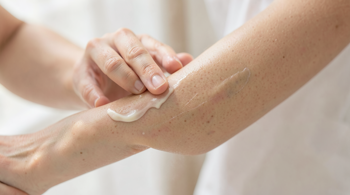
Daily habits often have the most significant impact on skin health. Dermatologists frequently recommend limiting the duration of baths and showers and avoiding hot water, which can strip the skin of its essential natural oils 1, 11. After bathing, patting the skin gently until it is slightly damp before applying a moisturizer helps trap existing water in the skin 2, 6. This timing is critical, as it maximizes the effectiveness of the occlusive or emollient being applied 2.
Choosing the right products is equally important. Fragrance-free, gentle cleansers are recommended over traditional, alkaline-based soaps, which are known to exacerbate irritation and dryness 3, 11. For those experiencing significant discomfort, colloidal oatmeal is recognized as a skin-protectant ingredient that can soothe itchy or irritated skin when added to baths or used in topical formulations 2, 10, 12.
Environmental Controls and Humidity Management
Environmental factors, particularly indoor climate during colder months, can severely impact skin hydration. When heating systems are in use, indoor humidity levels often drop below the threshold required for healthy skin maintenance 4, 9. The use of a cool-mist humidifier in living and sleeping areas can help offset this dryness, creating an environment that supports the skin's ability to retain moisture 4, 11.
By proactively managing the humidity of the home, individuals can reduce the environmental pressure on their skin’s barrier, allowing the body to better maintain its natural hydration 4. While external hydration is important, it should be viewed as a complementary strategy alongside proper topical care, as atmospheric moisture is only effective if the skin is properly supported with appropriate emollients or occlusives to hold that moisture in place 9.
Selecting Effective Topical Vehicles
The texture of a moisturizer often determines its efficacy in managing severe dryness. Thick creams and ointments are generally superior to lotions for retaining moisture, as their higher lipid content creates a more effective barrier against evaporation 5, 11. While plant-based oils and butters like shea butter are popular for their emollient properties, petrolatum-based ointments remain a standard, low-irritation option for sealing moisture into very dry or cracked skin 9, 11.
Understanding the distinction between these vehicles allows for a more tailored approach to skincare. For example, a heavy ointment may be ideal for localized, intensely dry areas, while a lighter cream might be sufficient for general body application 5. The goal remains consistent across all types: to minimize transepidermal water loss by creating a durable, protective shield on the skin’s surface 9.
When to Seek Professional Medical Evaluation
While many cases of dry skin are effectively managed through natural remedies and consistent self-care, there are instances where professional intervention is necessary. Persistent or widespread dryness may be a symptom of an underlying medical condition, such as eczema, psoriasis, thyroid disease, or diabetes 1, 11. It is advisable to consult a healthcare professional if dry skin becomes painful, deeply cracked, begins to bleed, shows signs of infection, or remains unresponsive to standard moisturizing practices 1, 11.
Medical professionals can conduct a thorough examination of the skin and review medical history to determine if a prescription-strength treatment, such as a hydrocortisone cream for itching, is required 1. Attempting to treat severe, undiagnosed conditions solely with over-the-counter or home-based products may lead to further complications, highlighting the importance of balancing natural care with clinical awareness 1.
Sources
- Mayo Clinic: Dry skin - Diagnosis and treatment
- Medical News Today: Dry skin: 7 home remedies
- CVS: How to help manage dry skin
- Cleveland Clinic: Dry Skin in Winter: 9 Tips To Keep Hydrated
- Mass General Brigham: How to Prevent Dry Skin in Winter
- Trilogy Products: The Best Natural Skincare Routine for Dry Skin
- Yon-Ka: How to Moisturize Very Dry Skin Naturally
- Almanac: Natural Remedies for Dry Skin, Hair, Hands, and Scalp
- Totkay: Dry Skin Home Remedy: 10 Natural Tips for Radiant Skin
- Atlanta Journal-Constitution: Dry, itchy skin? Dermatologists say a humidifier can help.
- General Dermatological Clinical Data Compilation
- U.S. Food and Drug Administration: Over-the-Counter Monograph M016
Authored by 24Trendz team