Natural remedies to ease upper back tension: An objective analysis of non-pharmacological approaches
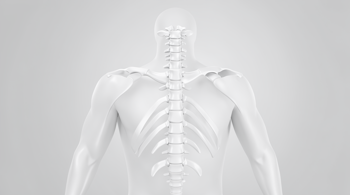
Upper back pain, often identified as thoracic pain, occurs anywhere from the base of the neck to the bottom of the rib cage 1. While many individuals encounter this discomfort due to daily habits like desk work or screen usage, it can also signal underlying medical issues that require professional evaluation 1, 6. Addressing this tension effectively often involves identifying root causes, such as poor posture or muscle imbalance, rather than relying solely on symptomatic relief 5, 6. This report details various natural, non-invasive strategies supported by clinical research for managing and reducing upper back stiffness.
The Role of Targeted Mobility and Stretching
Movement is frequently cited as a primary intervention for spinal health. Exercises that improve the range of motion of the thoracic spine can reduce the stiffness associated with prolonged sitting 5. Dynamic warmups, such as gentle walking or light movement, are recommended before performing specific stretches to prepare joints and ligaments 2. Static stretching is generally more beneficial after exercise when muscles are already warmed, as this approach helps maintain long-term flexibility 2.
Specific exercises, including the cat-cow stretch, thoracic extension, and child's pose, help lengthen the spine and release shoulder tension 2, 5. The cat-cow move requires transitioning between an arched back and a rounded spine, which aids in improving spinal mobility 5. Similarly, rotational stretches performed while lying on the back can encourage flexibility in the lower and middle back regions 3. Always perform movements within a comfortable range, avoiding any activity that triggers sharp pain or discomfort 3, 10.
Integrating Traditional Chinese Medicine Perspectives
Traditional Chinese Medicine (TCM) approaches upper back tension not as an isolated muscle issue, but as a potential imbalance in the body’s energy flow, or Qi 4, 7. In this framework, practitioners analyze specific patterns of discomfort, such as fixed, stabbing pain versus a dull, cold ache, to determine a strategy 7. Techniques employed in this tradition include acupuncture, Tui Na massage, cupping, and Gua Sha, which aim to restore circulation and ease muscular stagnation 4. Clinical research suggests that acupuncture may moderately reduce pain intensity and improve physical function in some patients 8.
Ergonomics and Behavioral Modifications
Modern work environments, particularly those involving extended hours at a desk, are common contributors to upper back strain 6. Tension often develops because chest and front shoulder muscles become tight while the upper back muscles weaken 6. Ergonomic adjustments are vital to creating a supportive environment, which may include maintaining a neutral neck position and utilizing chairs that support the natural curve of the spine 11, 12. Awareness of one's posture throughout the day can assist in reducing the physical load placed on the thoracic region 9.
Furthermore, psychological stress is a well-documented driver of physical tension in the trapezius muscles 4, 9. Managing this stress through diaphragmatic breathing or mindfulness practices can help signal the body to release chronic bracing habits 9, 11. The Feldenkrais Method, for instance, emphasizes gentle, guided awareness rather than forceful stretching to encourage muscles to stop habitual, stress-induced contraction 9. These subtle shifts in behavior can decrease the intensity of daily muscle strain 9.
Therapeutic Application of Temperature and Self-Care
Heat therapy remains a standard recommendation for increasing blood flow and relaxing tight tissues in the upper back 11. Warm baths or the application of heating pads may provide comfort for dull, aching tension 7, 11. Conversely, some individuals may find relief from cooling agents, such as peppermint oil, which contains menthol and may provide a cooling sensation to sore areas when diluted properly 11, 14. Lavender oil is also frequently noted for its potential to reduce psychological stress, which can indirectly alleviate physical tension 16.
Self-myofascial release, utilizing tools like foam rollers or tennis balls, allows individuals to target specific trigger points between the shoulder blades 11, 15. When performing these techniques, it is essential to proceed with care and avoid applying excessive pressure directly to the spine 11. Consistent hydration and a nutrient-dense diet may also support overall tissue repair and muscle health, providing a foundation for musculoskeletal resilience 11, 17.
Clinical Considerations and Safety Warnings
While many natural strategies are considered safe, the presence of persistent or severe pain necessitates professional medical evaluation 8, 10. Red flags that require immediate clinical attention include numbness, tingling, weakness in the arms, headaches, fever, or chest pain associated with back discomfort 9, 10. Because upper back pain can occasionally stem from internal medical conditions, it is crucial not to assume the cause is solely muscular without a professional assessment 1.
| Approach | Focus Area | Expected Benefit |
|---|---|---|
| Mobility Exercises | Thoracic Spine | Restored flexibility |
| Heat Therapy | Soft Tissues | Increased blood flow |
| Acupuncture | Qi/Nerve pathways | Pain intensity reduction |
| Ergonomics | Postural habit | Reduced daily strain |
Sources
- Cleveland Clinic: Upper Back Pain Symptoms and Causes
- Healthline: Exercises for Back Pain Relief
- Mayo Clinic: Back Exercises for Daily Health
- AIMIN: TCM Perspectives on Trapezius Tightness
- ANSSI Wellness: Stretching for Spinal Health
- Apex Interventional Pain: Strategies for Back Relief
- Me&Qi: Traditional Chinese Medicine and Thoracic Pain
- American Family Physician: Nonpharmacologic Back Treatment
- Feldy: Gentle Awareness for Tension
- Feldy: Mid Back Mobility Lessons
- General Health Research Compilation (Aggregated)
- OSHA: Ergonomic Workstation Guidelines
- NIH: Hydration and Muscle Function
- Medical News Today: Natural Pain Relief Methods
- Verywell Fit: Foam Rolling Techniques
- PubMed: Lavender Oil and Stress Reduction
- Arthritis Foundation: Anti-Inflammatory Nutrition
Authored by 24Trendz team