14-day Alaskan cruise experience: An evidence-based itinerary guide
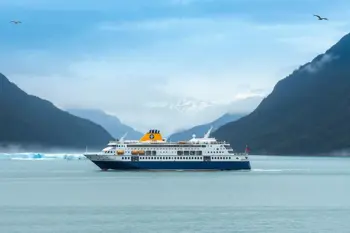
A 14-day Alaskan cruise experience generally provides more time than a seven-day voyage for Southeast Alaska, glacier viewing, coastal communities, and scenic sea days. Published itineraries range from round-trip Seattle sailings to expedition routes beginning in Juneau or Seward and ending in Seattle or Vancouver. 1
What a 14-day itinerary changes
The additional week can expand the geographic range of a voyage and create room for several port calls, repeated scenic-cruising opportunities, and longer periods aboard ship. One Holland America itinerary departing Seattle on August 23, 2026, is listed at 14 nights, with eight ports and six sea days, illustrating the balance between land visits and time on the water. 3
Longer routes may include Ketchikan, Juneau, Skagway, Sitka, Hoonah, Icy Strait Point, Haines, Wrangell, or Canadian communities, although no single itinerary includes every destination. A Seabourn itinerary described as 14 nights from Vancouver lists 12 ports, while a Hapag-Lloyd sailing from Seward lists six ports and eight sea days. 9 4
Route patterns and starting points
Seattle is one practical starting point for a round-trip journey because the same city serves as embarkation and return port. The published Great Alaska Explorer example departs and returns to Seattle, while other voyages use Vancouver, Juneau, Seward, or Whittier as one-way or round-trip gateways. The starting port affects pre-cruise travel, border requirements, and the amount of time devoted to Southeast Alaska versus the Gulf of Alaska. 1 3
Expedition itineraries can differ substantially from large-ship schedules. Lindblad’s 14-day route starts in Juneau and ends in Seattle, combining Southeast Alaska, British Columbia’s Great Bear Rainforest, and Washington’s San Juan Islands. Its listed activities include Zodiac travel, kayaking, hiking, and cultural visits, showing how a smaller expedition format can emphasize water-level access and remote shore environments. 2
Glaciers, fjords, and scenic cruising
Glacier viewing is often a central feature of an extended Alaska voyage. Glacier Bay National Park and Preserve is known for tidewater glaciers, marine ecosystems, and cruise access, while itineraries may also feature Hubbard Glacier, Endicott Arm, Dawes Glacier, Holkham Bay, or Rudyerd Bay. Scenic cruising does not necessarily involve a port stop, so the experience may consist of extended observation from the ship or an expedition boat. 12 10
Different vessels provide different viewing conditions and excursion structures. A ship may pause near a glacier for scenic observation, while an expedition program may deploy Zodiacs or kayaks near fjords and ice. Glacier movement, tide conditions, marine traffic, and weather can affect what is visible, making advertised destinations a planning framework rather than a guarantee of a particular wildlife or calving event. 2 14
Ports, wildlife, and shore activities
Common Southeast Alaska ports include Juneau, Skagway, Ketchikan, Sitka, and Icy Strait Point. Activities associated with these regions include whale watching, wildlife observation, hiking, kayaking, scenic rail travel, glacier excursions, and cultural programs. Travel Alaska identifies coastal scenery, communities, wildlife, and glaciers as core elements of the cruising experience, but individual excursion availability depends on the port schedule and local operating conditions. 11
Wildlife possibilities include humpback whales, orcas, sea lions, bears, bald eagles, seabirds, river otters, and the rare spirit bear in parts of the Great Bear Rainforest. Sightings remain uncertain because animals move through large natural habitats. An itinerary that lists whale channels, bear-viewing areas, or wildlife-rich islands indicates an opportunity for observation, not a guaranteed encounter. 2 14
Land extensions and Denali considerations
Denali National Park is an inland destination rather than a port directly reached by ship. Cruise-tour programs can connect a coastal voyage with land travel through Alaska’s interior, including Fairbanks, Talkeetna, Alyeska, and Denali. One 14-night Holland America cruise-tour description includes Fairbanks, two nights near Denali, a five- to six-hour Tundra Wilderness Tour, and a rail journey before the cruise segment. 5
The distinction between a cruise-only itinerary and a cruise-tour matters for both scheduling and expectations. The National Park Service describes Denali as an inland wilderness centered on the mountain and surrounding park landscape, whereas Glacier Bay is a coastal protected area accessible to cruise vessels. Travelers evaluating a two-week journey should therefore identify whether the advertised duration includes hotel nights, rail travel, and interior excursions in addition to shipboard nights. 13
Weather, documents, and practical constraints
Coastal Alaska weather can change quickly, so layered clothing, waterproof outerwear, and comfortable walking shoes are practical for shore excursions. Longer routes may combine the Inside Passage with the Gulf of Alaska, adding open-ocean exposure and more sea days. NOAA’s Alaska resources describe complex coastal and ocean environments, while published itineraries show that sea-day totals can vary considerably between ships. 14 3 4
Canadian ports or waters may appear on routes departing Vancouver, returning to Vancouver, or traveling between Alaska and the Pacific Northwest. Government guidance from Canada and U.S. Customs and Border Protection should be checked for current entry and reentry documentation requirements. The main Alaska cruise season generally runs from May through September, and itinerary dates can influence daylight, temperatures, rainfall, and operating conditions for excursions. 15 16 11
How to compare a longer voyage objectively
A useful comparison begins with route structure rather than ship branding. Important variables include embarkation and disembarkation ports, number of sea days, number of port calls, Glacier Bay or Hubbard Glacier access, Canadian stops, expedition landings, and whether a Denali segment is included. Regent’s published 14-day Vancouver itinerary, for example, lists Inside Passage, Ketchikan, Juneau, Skagway, Hoonah, Hubbard Glacier, Whittier, Sitka, Klawock, and Victoria among its destinations. 8
Longer duration also creates tradeoffs. More ports can mean more walking, transfers, and excursion logistics, while more sea days provide time for lectures, wildlife observation, and shipboard facilities but may increase exposure to open-ocean conditions. Protected parks, border authorities, weather, tides, and wildlife behavior all impose limits that no itinerary can remove. The most accurate expectation is therefore an extended opportunity to observe Alaska, not a fixed sequence of guaranteed events. 12 15 14
Sources
- CruiseSolutioner, “Best 14 Day Alaska Cruise from Seattle”
- Lindblad Expeditions, “Exploring Alaska, Great Bear Rainforest and the San Juan Islands”
- CruiseCaptain, “14-Night Alaska Cruise on Noordam”
- CruiseCaptain, “14-Night Alaska Cruise on HANSEATIC Inspiration”
- Cruise and Travel Experts, “14-Day Holland America Line Ultimate Alaska Cruisetour”
- National Park Service, “Denali National Park and Preserve”
- National Park Service, “Glacier Bay National Park and Preserve”
- Regent Seven Seas itinerary, “Seven Seas Explorer, 14-day from Vancouver”
- CruiseCaptain, “14-Night Alaska Cruise on Seabourn Encore”
- Nancy Pauwels Photography, “Alaska Cruise on Seabourn Encore”
- Travel Alaska, “Cruises”
- NOAA, “Alaska”
- Government of Canada, “Entry Requirements”
- U.S. Customs and Border Protection, “Westbound Travel to Canada”
Authored by 24Trendz team