Warning signs of tendinitis: A comprehensive clinical overview of symptoms and early detection
Recognizing the warning signs of tendinitis is a critical step in maintaining musculoskeletal health, particularly for those engaged in repetitive physical activities or high-impact sports 1. Tendinitis, defined as the inflammation or irritation of the thick fibrous cords that attach muscle to bone, often begins with subtle symptoms that can be easily overlooked 1. Early detection is vital, as prolonged neglect of these signs can lead to chronic tendinopathy, scarring, or even partial tendon tears that may eventually require surgical intervention 16.
Clinical Manifestations of Tendon Inflammation
The primary symptom associated with tendinitis is a dull ache that typically presents near a joint, frequently intensifying during or immediately following physical activity 26. Unlike traumatic injuries characterized by sudden onset, tendinitis often develops through cumulative strain over time, making it a common consequence of repetitive mechanical loading 45. Patients often describe the discomfort as a localized, burning sensation specifically situated where the tendon attaches to the bony prominence of the joint 16.
Clinical observations reveal several hallmark indicators that suggest the onset of tendon irritation:
- Localized tenderness or sensitivity to touch at the site of the affected tendon 2.
- Stiffness in the joint, especially prevalent after periods of inactivity or upon waking in the morning 29.
- Mild swelling, sometimes accompanied by noticeable heat or redness around the joint area 2.
- A sensation of grating or crackling, medically referred to as crepitus, when moving the tendon through its range of motion 28.
Common Anatomical Sites of Involvement
Tendinitis can affect any tendon in the body, though it frequently occurs in areas subjected to significant repetitive stress 1. Athletes and active individuals often report symptoms in specific regions based on the nature of their training routines 78. For instance, Achilles tendinitis is common among runners, while rotator cuff issues often impact swimmers and overhead athletes 18. Understanding these specific pain patterns helps in distinguishing tendon-related issues from general muscle soreness 5.
| Condition | Primary Affected Area | Common Triggering Activities |
|---|---|---|
| Achilles Tendinitis | Back of lower leg/heel | Running, jumping, increased intensity |
| Medial Epicondylitis | Inside of elbow | Forearm rotation, gripping movements |
| Patellar Tendinitis | Knee to shinbone | Basketball, volleyball, jumping |
| Rotator Cuff Injury | Shoulder joint | Throwing, overhead swimming, lifting |
The Progression from Acute Pain to Chronic Injury
Overuse injuries fly under the radar because of their subtle, gradual development 5. In the early stages, an individual might experience a dull ache that improves with rest but returns during the next session of physical activity 9. If this repetitive stress continues without allowing for adequate tissue repair, the condition may transition from inflammation to degenerative tendinopathy 4. This process involves collagen disorganization and cellular changes that reduce the structural integrity of the tendon, making further injury more likely 4.
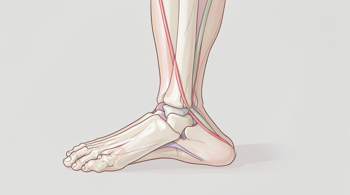
Ignoring these early signals often leads to a cycle where performance is affected and simple movements become difficult to execute without pain 27. Research indicates that persistent failure to modify training loads can exacerbate existing symptoms, leading to chronic weakness in the surrounding musculature 48. Early intervention, such as activity modification and controlled loading, is consistently emphasized by clinical experts as the most effective path toward preserving long-term joint function 46.
Diagnostic Considerations and Risk Factors
Diagnosis of tendinitis is primarily clinical, involving a physical examination to identify specific tender points and evaluate restricted range of motion 4. While practitioners may use imaging to rule out more severe structural damage, the history of activity is often the most significant indicator 4. Risk factors are not limited to high-level athletics; they include poor workplace ergonomics, sudden increases in physical intensity, and age-related wear and tear in joints 26. Even individuals with desk-based roles may experience tendinitis due to chronic poor posture or repetitive motions at a computer 25.
Recognizing the difference between normal delayed onset muscle soreness (DOMS) and the specific pain of tendinitis is crucial for management. Muscle soreness typically affects the muscle belly and dissipates within a few days, whereas tendinitis symptoms are localized to the fibrous tissue near the joint and may persist for weeks if not properly addressed 12. Identifying these warning signs-particularly pain that is specifically localized to the bone attachment-should prompt a review of current training volume and intensity 10.
Management Strategies and Risk Mitigation
The standard management for early-stage tendinitis focuses on activity modification to reduce mechanical load on the damaged tissue 4. Icing the area for 20-minute intervals throughout the day and using supportive braces can provide temporary relief while the tendon initiates its healing response 26. It is generally advised to avoid activities that provoke sharp pain, as continuing to subject the inflamed tendon to heavy lifting or forceful twisting actions may increase the risk of a secondary rupture 2.
Rehabilitation typically involves a transition from rest to structured, progressive strengthening exercises designed to improve the tendon's capacity for load-bearing 34. Pharmaceutical interventions, such as nonsteroidal anti-inflammatory drugs (NSAIDs), are sometimes utilized for short-term pain management, though they are meant to supplement, not replace, the core components of physical therapy and rest 24. Long-term adherence to preventative techniques, such as proper warm-ups and maintaining correct biomechanical technique, is recommended for those aiming to avoid recurrent episodes of tendon inflammation 28.
Sources
- Mayo Clinic - Tendinitis: Symptoms and Causes
- HSE Ireland - Tendonitis: Symptoms, Causes, Diagnosis and Treatments
- National Center for Biotechnology Information - Overview: Tendon Overuse Injuries
- MSD Manuals - Tendinopathy: Rheumatology and Orthopedics
- OrthoSportsMed - Warning Signs of Overuse Injuries
- Pain Treatment MD - Tendonitis: Symptoms, Causes and Effective Pain Relief
- Defy Sports Performance - Overuse Injuries: The Warning Signs Most Athletes Miss
- Nestor Physical Therapy - What is Tendinitis in Athletes and How to Avoid It
- iMove Physical Therapy - Tendinitis in Athletes: Causes and Prevention
- Total Foot Care - How to Recognize the Early Signs of Achilles Tendonitis
Authored by 24Trendz team