Symptoms of electrolyte imbalance in adults: A clinical guide to signs, severity, and testing
Symptoms of electrolyte imbalance in adults may include muscle cramps, fatigue, dizziness, nausea, weakness, headache, confusion, and irregular heartbeat. Mild abnormalities can produce no obvious symptoms, while rapid or severe changes may affect the brain, muscles, kidneys, or heart. Electrolytes such as sodium, potassium, calcium, magnesium, chloride, phosphate, and bicarbonate help regulate fluid movement, nerve signaling, muscle contraction, blood pressure, and cardiac rhythm. Symptoms alone cannot identify which electrolyte is abnormal, so clinical evaluation and laboratory testing are important. 1
What electrolyte imbalance means
Electrolytes are charged minerals dissolved in body fluids. They help prevent cells from shrinking or swelling, transmit nerve signals, support normal muscle contraction and relaxation, maintain blood pH, and contribute to blood clotting. The six most important electrolytes described in anatomy and physiology are sodium, potassium, chloride, bicarbonate, calcium, and phosphate. The kidneys are the main route of electrolyte excretion, although sweat and feces also contribute to losses. This balance can shift when fluid intake, losses, kidney function, or medicines change. 5
A mild or chronic imbalance may be difficult to recognize because symptoms can be absent or nonspecific. By contrast, acute and severe changes are more likely to cause substantial neurologic, muscular, respiratory, or cardiac effects. A blood test provides more reliable information than symptoms alone, and clinicians may also consider urine testing, electrocardiography, serum osmolality, medication exposure, and the person’s fluid status when evaluating an abnormal result. 6
Common symptoms across different imbalances
Several symptoms occur with more than one electrolyte disorder. Adults may experience weakness, tiredness, headache, nausea, vomiting, muscle cramps, dizziness, or confusion. Dehydration associated with fluid loss may add thirst, dark urine, dizziness, tiredness, and confusion. Palpitations or an irregular heartbeat are particularly important because potassium, calcium, and magnesium abnormalities can interfere with the electrical activity of the heart. These findings are not specific enough to determine the mineral involved without testing. 7
- Muscle symptoms: cramps, twitching, spasms, weakness, or temporary paralysis. 1
- Nervous-system symptoms: headache, lethargy, tingling, numbness, confusion, seizures, or loss of consciousness. 2
- Heart-related symptoms: palpitations, abnormal rhythms, or conduction problems. 3
- Digestive or fluid-related symptoms: nausea, vomiting, diarrhea, thirst, or abdominal distension. 8
Sodium abnormalities and neurological signs
Low sodium, called hyponatremia, may cause weakness, headache, low blood pressure, confusion, lethargy, thirst, nausea, and vomiting. The severity depends on the level, how quickly it changed, and whether the condition is acute or chronic. Severe sodium loss can lead to seizures, coma, and death. Hyponatremia can also contribute to falls, fractures, neurologic injury, and other complications, particularly when symptoms progress or the underlying cause is not addressed. 2
High sodium, or hypernatremia, generally reflects too little free water, inadequate water intake, or salt overload rather than simply an excess of dietary salt. Adults with acute hypernatremia may show fatigue, weakness, and signs of dehydration. Because sodium disorders are fundamentally linked to the relationship between sodium and water, treatment depends on the cause and volume status. Rapid correction of chronic hyponatremia must be avoided because it can cause osmotic demyelination syndrome. 2
Potassium and heart or muscle symptoms
Low potassium, or hypokalemia, commonly results from gastrointestinal or kidney losses or a shift of potassium into cells. Mild to moderate cases may have few or no symptoms, but weakness, cramps, fatigue, abdominal distension, constipation, and loss of normal intestinal movement can occur. Severe hypokalemia may cause temporary limb paralysis, breathing problems, abnormal heart rhythms, kidney problems, or sudden cardiac arrest. Symptomatic or very severe hypokalemia requires hospital treatment and cardiac monitoring. 3
High potassium, or hyperkalemia, is often associated with reduced urinary excretion. Some adults have no clear symptoms, even when the abnormality is clinically important. Others may develop muscle weakness, numbness, nausea, palpitations, or electrocardiographic changes. Acute hyperkalemia accompanied by ECG findings, or a potassium level of 6.5 mEq/L or higher, requires inpatient treatment because cardiac complications can be life-threatening. Medication review and kidney assessment are central to determining the cause. 3
Calcium and magnesium-related symptoms
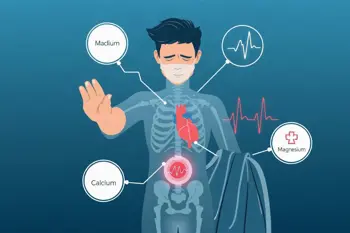
Low calcium, known as hypocalcemia, can cause muscle irritability, facial or limb twitching, cramps, tingling, and spasms. Severe deficiency may produce muscle spasms involving the voice box, seizures, abnormal heart rhythms, atrial fibrillation, or heart blocks. Calcium regulation depends partly on parathyroid hormone and vitamin D, and low levels may be associated with hypoparathyroidism, severe chronic kidney disease, or vitamin D deficiency. Acute symptomatic cases may require inpatient treatment, monitoring, and correction of associated magnesium deficiency. 4
Low magnesium, or hypomagnesemia, may begin with loss of appetite, nausea, fatigue, weakness, and muscle aches. As deficiency worsens, numbness, tingling, muscle contractions, cramps, seizures, tremors, irritability, and abnormal heart rhythms may develop. Magnesium abnormalities can occur alongside other electrolyte changes, making an isolated symptom pattern unreliable. Persistent muscle symptoms, neurologic changes, or palpitations therefore warrant assessment rather than assuming that a single mineral is responsible. 1
Causes and adults at higher risk
Electrolyte disturbances often follow dehydration, prolonged vomiting or diarrhea, heavy sweating, fever, or inadequate fluid intake. Other reported causes include kidney disease, heart or liver disease, endocrine disorders, and medicines such as diuretics. Excess water intake can also disturb sodium concentration. Because the kidneys regulate much of the body’s electrolyte excretion, reduced kidney function can make medication changes, acute illness, and fluid losses more consequential. Older adults may require closer monitoring during these situations. 8
- Fluid loss from vomiting, diarrhea, sweating, or dehydration. 1
- Reduced kidney excretion or chronic kidney disease. 3
- Medicines that alter water or mineral handling, including diuretics. 7
- Heart, liver, endocrine, or other chronic medical conditions. 8
When symptoms require medical assessment
Confusion, seizures, fainting, severe weakness, chest palpitations, abnormal heartbeat, breathing difficulty, or loss of consciousness may indicate a serious electrolyte disturbance. Severe sodium, potassium, calcium, or magnesium abnormalities can compromise neurologic, respiratory, or cardiac function even when the initial symptoms appear nonspecific. Medical assessment is also appropriate for persistent vomiting, diarrhea, dehydration, dizziness, weakness, cramps, or palpitations, particularly in adults with kidney, heart, or liver disease. 1
Evaluation generally begins with a history of fluid losses, diet, medical conditions, and medicines, followed by blood testing for relevant electrolytes and kidney function. Depending on the suspected disorder, clinicians may use urine studies, serum osmolality, urine osmolality, urine sodium, hormone testing, vitamin D measurements, or an ECG. Treatment is directed at the underlying cause and the specific abnormality. Self-diagnosis is unreliable because the same symptom can reflect either a low or high electrolyte level, dehydration, or another condition. 6
How severity is interpreted
Electrolyte results must be interpreted in context rather than by symptoms alone. For potassium, the cited clinical reference gives a typical serum range of 3.5 to 5.0 mEq/L and identifies levels below 2.5 mEq/L as severe hypokalemia. For calcium, a typical serum range is 8.4 to 10.4 mg/dL, although confirmation may involve ionized calcium or repeat testing. These reference points do not establish a diagnosis without clinical context, laboratory quality, and consideration of the underlying illness. 3
Severity is influenced by how fast the level changed, how long it has been abnormal, and whether neurologic, muscular, respiratory, or cardiac effects are present. Mild chronic sodium or potassium abnormalities may be asymptomatic, while acute changes can become dangerous. Severe hypercalcemia may cause profound dehydration, and severe potassium abnormalities can produce fatal rhythm disturbances. The need for monitoring or inpatient care is determined by laboratory results, symptoms, ECG findings, and the cause of the imbalance. 2
Sources
- MedicineNet, What Happens When You're Low on Electrolytes? Imbalance Causes, https://www.medicinenet.com/what_happens_when_your_body_is_low_on_electrolytes/article.htm
- American Academy of Family Physicians, Sodium Disorders, https://www.aafp.org/fpe/2026/565-acid-base-and-electrolyte-disorders/sodium-disorders
- American Academy of Family Physicians, Potassium Disorders, https://www.aafp.org/fpe/2026/565-acid-base-and-electrolyte-disorders/potassium-disorders
- American Academy of Family Physicians, Calcium Disorders, https://www.aafp.org/fpe/2026/565-acid-base-and-electrolyte-disorders/calcium-disorders
- Oregon State University, Electrolyte Balance, https://open.oregonstate.education/anatomy2e/chapter/electrolyte-balance/
- NCBI Bookshelf, Hyponatremia, https://www.ncbi.nlm.nih.gov/books/NBK470386/
- Juniper Journal, Signs and Symptoms of Electrolyte Imbalance, https://www.myjuniper.co.uk/articles/signs-and-symptoms-of-electrolyte-imbalance
- Passion Health Primary Care, Electrolyte Imbalance Symptoms, https://passionhealthphysicians.com/electrolyte-imbalance/
Authored by 24Trendz team