How to exercise with a herniated disc safely: A clinical guide to mobility and recovery
Understanding the Mechanics of a Herniated Disc
A herniated disc occurs when the soft, gel-like nucleus pulposus pushes through a tear in the tough outer annulus of a spinal disc 1. These discs function as shock absorbers between vertebrae, and when they bulge or rupture, they often place pressure on adjacent nerves 3. This physical compression can manifest as radiating pain, numbness, or weakness in the neck, back, or limbs 1. Approximately 3 million people annually in the United States encounter these symptoms, making it a primary driver of chronic back and neck discomfort 5.
Clinical consensus indicates that total inactivity or prolonged bed rest is often counterproductive and may hinder recovery 3. Instead, the medical community emphasizes smart, controlled activity to maintain muscle tone and spinal health 3. The goal of a structured exercise program is to support the spine by strengthening stabilizing muscles while reducing inflammation and nerve irritation 5. Most individuals experience significant improvement within 6 to 12 weeks through conservative management, which typically prioritizes physical therapy and movement modifications over surgical intervention 4.
Initial Phases of Recovery and Activity Management
The rehabilitation process generally proceeds in stages, with the acute phase requiring the most caution 9. During the first 2 to 3 days post-injury, healthcare professionals often suggest limiting strenuous activity while maintaining gentle, non-aggravating movement 1. The objective during this time is to centralize symptoms, meaning the goal is to redirect pain from the extremities back toward the spine, which is often a sign of healing 2. Simple, gentle postures such as resting on the stomach for short durations can assist in relieving immediate pressure on the lower back 2.
Patient safety hinges on recognizing that recovery is not a one-size-fits-all process 8. A customized plan, ideally developed with a physician or physical therapist, ensures that activities align with the specific level of the disc injury 10. Initial efforts often focus on walking, which provides aerobic benefits without placing excessive load on the spinal column 1. It is important to avoid high-impact activities like jogging or jumping until the spine has sufficient structural stability to handle such forces 1.
Core Stabilization and Therapeutic Movements
Once initial symptoms begin to subside, focus shifts toward core stabilization, which supports the spine and reduces the likelihood of future herniation 2. Exercises that prioritize isometric holds are generally preferred over dynamic or explosive movements to protect the disc from shear stress 7. Controlled core work helps maintain proper spinal alignment, which is critical for allowing the displaced disc material to be naturally reabsorbed by the body over time 5.
Commonly recommended exercises for spinal support include the following movements, which should be performed under professional guidance to ensure technique safety:
- Bird-dog: A movement that engages the core while keeping the spine neutral 10.
- Dead bug: Useful for strengthening the abdominal wall without inducing spinal flexion 10.
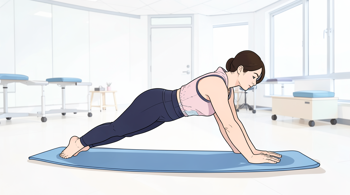
- Prone press-ups: Often used in the McKenzie method to encourage spinal extension and symptom centralization 2.
- Pelvic tilts: Gentle movements to restore mobility in the lumbar region.
Movements to Avoid During the Healing Period
Identifying and avoiding aggravating movements is as critical as performing the correct ones. Traditional exercises that involve repeated or heavy spinal flexion, such as crunches or sit-ups, can significantly increase intradiscal pressure and potentially exacerbate existing symptoms 6. Furthermore, excessive spinal rotation or twisting puts asymmetric strain on the annulus of the disc, which can delay the healing of a tear 10. Heavy lifting should be strictly avoided in the early recovery stages to prevent unnecessary load on the damaged structure 1.
Individuals must remain vigilant for signs of worsening nerve compression 8. If any exercise results in sharp, shooting pain, or if sensations of numbness or tingling spread further down the legs or arms, the activity must be halted immediately 2. These symptoms suggest that the chosen movement is irritating a nerve root rather than relieving pressure 6. Furthermore, any sudden loss of balance or changes in bowel or bladder function requires urgent medical evaluation, as these may be signs of severe nerve impingement 8.
Low-Impact Aerobic Integration
Aerobic activity serves as a vital component of long-term disc health by promoting blood flow, which carries nutrients necessary for tissue repair to the spinal region 3. Low-impact modalities are the preferred standard because they minimize the concussive forces typical of land-based sports 10. Swimming and water aerobics are highly regarded for their ability to decompress the spine through buoyancy, allowing for movement that is significantly less weight-bearing than traditional exercise 5. Cycling can also be a viable option, provided that the bike fit encourages a neutral spine rather than a hunched, flexed posture 1.
| Exercise Type | Benefit for Herniated Disc | Risk Factor |
|---|---|---|
| Walking | Improves circulation | High-impact terrain |
| Swimming | Spinal decompression | Improper stroke technique |
| Cycling | Maintains mobility | Aggressive spinal flexion |
Seeking Professional Clinical Assessment
The path to recovery is most successful when guided by healthcare professionals, such as orthopedists or physical therapists, who can assess the specific nature of the herniation 8. Initial management often involves the use of anti-inflammatories, muscle relaxants, or nerve pain agents to reduce the chemical inflammation around the nerve root, which effectively creates a window of time where exercise becomes possible 4. In cases where radicular pain remains a significant barrier to rehabilitation, clinicians may consider epidural steroid injections to provide targeted relief 4. By combining medical management with disciplined, stage-appropriate exercise, 70 to 90 percent of patients can achieve recovery without the need for surgical intervention 5.
Sources
- Medical News Today: Herniated disk, safe exercises, and what to avoid
- Verywell Health: 16 Exercises for Herniated Disc
- The Well by Northwell: Herniated Disc Exercises You Can Actually Do
- Florida Spine Surgeon: Herniated Disc Do's and Don'ts
- Physio Logic NYC: Herniated Disc Physical Therapy Exercises
- Health Plus PT: Crunches and Herniated Disc
- Coral Way Disc Center: Safe Exercises for Herniated Disc
- Atlas Chiropractic: Herniated Disc Exercises: What Helps and What to Avoid
- Dynamics Mend: PIVD Physiotherapy Exercises by Stage
- Zing Coach: How to Exercise with a Herniated Disc Safely
Authored by 24Trendz team