Train tours along the Appalachian region: A Comprehensive Analysis of Heritage Rail Travel
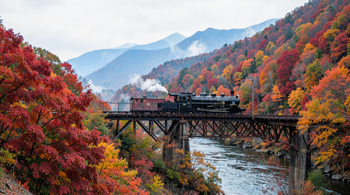
The Appalachian region serves as a prominent corridor for heritage rail tourism, leveraging a rich history of coal extraction and timber transport to provide passengers with immersive experiences through rugged mountain terrain 3, 10. From the Tennessee River Valley to the highlands of West Virginia, these excursions often utilize vintage, restored steam locomotives to navigate steep grades and remote wilderness areas inaccessible by traditional automotive transit 1, 8. This guide outlines the operational realities and diverse routing options available to those interested in the railroad heritage of the Appalachian corridor.
The Evolution of Appalachian Rail Heritage
Railroads were once the primary arteries of economic life in Appalachia, essential for moving coal and timber from the Allegheny Highlands to industrial centers 10. Many modern excursion lines utilize these historic corridors, which were carved through dense wilderness and along riverbeds during the late 19th and early 20th centuries 10. Today, these tracks serve as historical landmarks where preserved equipment, such as the steam locomotives used on the Cass Scenic Railroad, continue to traverse original paths like the route to Bald Knob, the third-highest point in West Virginia 5, 10.
Organizations like the Tennessee Valley Railroad Museum in Chattanooga maintain these technological links to the past, offering an authentic look at the Southern Appalachian rail history that fueled regional development 1, 17. Travelers often find that these trips provide more than just transit; they offer an educational window into the engineering feats required to conquer the mountain geography of the region 8, 10.
Prominent Rail Routes in the Appalachian Corridor
The Appalachian rail network is diverse, with several key operators providing specialized excursions that focus on natural beauty and historic sites. In North Carolina, the Great Smoky Mountains Railroad operates from Bryson City, offering a 44-mile roundtrip excursion that carries passengers through the Nantahala Gorge and across the Fontana Trestle 2. These excursions are designed to highlight the aquatic and terrestrial ecosystems of the Great Smoky Mountains, frequently including layovers at specific sites such as the Nantahala Outdoor Center 2, 11.
West Virginia remains a focal point for rail enthusiasts, hosting a variety of scenic operations including the New Tygart Flyer and the Potomac Eagle Scenic Railroad 3, 10. The Greenbrier Express, another notable route, snakes through the Monongahela National Forest, offering travelers views of beaver ponds and wildlife within the Greenbrier River Valley 9. Each operator typically provides distinct equipment options, ranging from first-class dining cars to open-air gondolas that enhance the panoramic experience of the surrounding foliage 2, 17.
Logistics and Seasonal Considerations
Planning a trip through the Appalachian rail network requires an understanding of seasonality, particularly regarding fall foliage, which draws high visitor volume from late September through early November 9, 17. Because many of these routes traverse deep canyons and high elevations, weather can impact operations, and the window for peak autumnal colors is relatively brief, necessitating advanced planning 3, 9. Standard operating procedures for many tours include pre-purchased meal packages, often provided in first-class seating arrangements, as well as coordinated motorcoach transport for multi-day itineraries 2, 3.
| Region | Primary Rail Attraction | Geographic Focus |
|---|---|---|
| West Virginia | Cass Scenic Railroad | Allegheny Mountains/Bald Knob |
| North Carolina | Great Smoky Mountains Railroad | Nantahala and Tuckasegee Gorges |
| Georgia | Blue Ridge Scenic Railway | Chattahoochee National Forest |
| Tennessee | Lookout Mountain Incline | Chattanooga/Southern Appalachia |
The Intersection of History and Modern Tourism
Modern Appalachian rail tours often integrate cultural experiences alongside the train journey to provide a holistic view of the region. Many itineraries include visits to historic landmarks such as the Greenbrier Resort’s Cold War-era bunker, the Green Bank Observatory, and architectural works like Fallingwater or the Biltmore Estate 1, 4, 5. These additions aim to connect the industrial history of the railroads with the surrounding social and cultural developments in the Appalachian mountains 3, 5.
For those traveling as part of a group, custom tour operators frequently curate itineraries that combine rail excursions with local performances, such as dinner theaters or heritage dramas like 'Unto These Hills' in Cherokee, North Carolina 1, 7. These programs are often designed to be flexible, allowing for variations in pace and interest, whether the focus is on educational exploration of state history or purely landscape observation 1, 7.
Risk Management and Accessibility
While scenic rail travel is accessible to a wide range of travelers, prospective passengers should be aware of physical demands associated with certain tours. Many heritage rail experiences involve boarding vintage equipment which may not be fully modernized for ADA compliance, requiring passengers to navigate stairs or potentially uneven terrain during station stops 3, 4. Additionally, those participating in excursions that include side trips, such as hiking or walking tours through parks, should anticipate the physical requirements of the specific itinerary 3.
It is also important to note that many of these heritage lines are independent operations with their own specific cancellation policies and insurance requirements 4. Travelers planning multi-day trips involving multiple railroads and accommodations should review the terms provided by their tour organizer, as bookings for these specialized services often require deposits well in advance of the departure date 4.
Regional Summary of Rail Operations
The Appalachian region hosts a dense collection of heritage rail lines, each offering a unique perspective on the mountain range. From the steep grades of the Lookout Mountain Incline Railway, which has operated since 1895, to the expansive networks of the Durbin & Greenbrier Valley Railroad, the availability of these tours creates a comprehensive network for mountain transit 6, 10. Rail enthusiasts can find varying experiences ranging from short, day-long steam-powered excursions to multi-day, full-immersion rail vacations 5, 10.
Ultimately, the value of Appalachian rail tours lies in their ability to provide access to pristine, remote landscapes that remain largely undisturbed by modern highways. Whether traversing the Poconos in Pennsylvania or the Chattahoochee National Forest in Georgia, these rail lines continue to function as vital links for heritage tourism, preserving the legacy of the iron horse in the American landscape 17.
Sources
- https://takeafuntrip.com/tour/appalachian-express/
- https://gsmr.com/event/nantahala-gorge-excursion-steamm-206/great-smoky-mountains-railroad/
- https://ambassadair.com/product/9165/
- https://www.govillagetravel.com/tours/trains-of-the-smoky-mountains/
- https://www.mayflowercruisesandtours.com/tour/west-virginia-scenic-rails/west-virginia-scenic-rails/
- https://www.vacationsbyrail.com/tours/music-of-the-south/
- https://ustoursamerica.com/cherokee-rails/
- https://www.american-rails.com/tetres.html
- https://www.travelandleisure.com/greenbrier-express-west-virginia-11814312
- https://monforesttowns.org/west-virginia-scenic-railroads/
- https://www.gsmr.com
- https://wvstateparks.com/park/cass-scenic-railroad-state-park
- https://brscenic.com
- https://www.nps.gov/cuva/planyourvisit/take-the-train.htm
- https://wmsr.com
- https://mountainrailwv.com
- https://www.tvrail.com
- https://www.amtrak.com/cardinal-train
- https://www.rbmnrr-passenger.com
- https://lgsry.com
Authored by 24Trendz team