Early symptoms of fibromyalgia in women: Clinical insights into indicators and diagnosis
Fibromyalgia is a chronic, multisystem disorder frequently characterized by widespread musculoskeletal pain, profound fatigue, and cognitive disturbances 8. Primarily impacting women, this condition presents a complex diagnostic profile that often results in significant delays before clinical recognition 3. This report analyzes the early indicators that often precede a formal diagnosis in female patients, helping to distinguish fibromyalgia from other localized pain syndromes 1.
Defining Widespread Pain and Physical Sensitivities
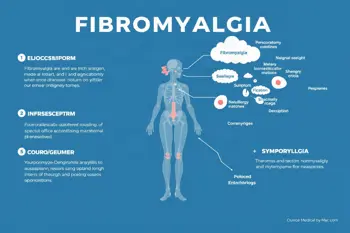
The hallmark of fibromyalgia is widespread musculoskeletal pain that persists for three months or longer on both sides of the body 4. Unlike inflammatory conditions such as rheumatoid arthritis, fibromyalgia does not typically cause visible joint damage or localized inflammation 3. Instead, the nervous system appears to amplify pain signals, creating a state of heightened sensitivity 3. Many women report an increased sensitivity to pressure at specific tender points, including the back of the head, the neck, shoulders, elbows, hips, and knees 2.
In addition to physical pain, patients frequently experience morning stiffness that can last for more than an hour after waking 5. This stiffness is often accompanied by an unusual sensitivity to external stimuli, such as changes in temperature, bright light, or loud sounds 5. These sensations are often reported during the early stages of the condition, serving as subtle indicators that differentiate fibromyalgia from transient muscular strains 5.
The Impact of Fatigue and Sleep Disturbances
Profound fatigue is a defining symptom for many women, often described as a crushing exhaustion that remains present even after significant periods of rest 3. A critical component of this symptom is nonrestorative sleep, where individuals wake up feeling as tired as when they went to bed, despite having slept for several hours 4. This persistent cycle of exhaustion contributes to the overall burden of the disease and is a primary driver for clinical consultation 4.
Clinicians often observe that these sleep disturbances are intertwined with the body's inability to cycle through restorative phases of sleep effectively 1. When fatigue is coupled with widespread muscle aches, the daily ability to perform routine activities becomes compromised 5. Unlike simple temporary fatigue, the exhaustion linked to fibromyalgia is chronic and does not resolve with standard lifestyle adjustments or short-term rest 5.
Cognitive Challenges and 'Fibro Fog'
Cognitive impairment is a frequently cited symptom in female patients, often referred to as 'fibro fog' 4. This symptom encompasses difficulty with focus, concentration, and short-term memory, which many women report as a feeling of 'wading through mud' mentally 3. While these neurological symptoms are subjective, they are considered standard components of the fibromyalgia experience and are often reported alongside physical pain 4.
The impact of this fog can manifest as an inability to follow complex instructions or a sense of disorientation during daily tasks 4. Research into the systemic nature of the syndrome suggests that these cognitive shifts may be tied to the same neurological imbalances that contribute to the regulation of pain and mood 2. When observed early, these cognitive shifts are often misunderstood as stress or the result of a high-pressure lifestyle rather than a systemic, chronic condition 3.
Psychological and Comorbid Symptoms
Fibromyalgia is frequently accompanied by psychological symptoms, most commonly anxiety and depression 2. While these mood changes can develop as a reaction to living with chronic, unpredictable pain, they may also stem from the same biochemical imbalances in the brain associated with the syndrome itself 2. This dual nature of the condition makes it essential for clinicians to assess both physical and emotional well-being when evaluating potential cases 8.
Furthermore, many women experience comorbidities that involve the gastrointestinal system, with irritable bowel syndrome (IBS) being the most prevalent 4. Headaches, particularly chronic migraines or tension headaches, are also commonly reported during the early development of the syndrome 4. These secondary symptoms often serve as additional clues that point toward a systemic issue rather than a localized orthopedic injury 5.
Epidemiological Factors and Diagnosis
Fibromyalgia is significantly more common in women than in men, with reported female-to-male ratios ranging from 3:1 to as high as 9:1 in various studies 7. The condition typically presents in young to middle-aged adults, often in the 30 to 60 age demographic 2. Because there is no single blood test or diagnostic imaging tool that confirms the presence of fibromyalgia, the diagnosis remains one of exclusion, based on the presence of chronic, widespread symptoms and the absence of other medical conditions 1.
| Symptom Category | Typical Presentation |
|---|---|
| Musculoskeletal | Widespread pain, morning stiffness |
| Neurological | Fibro fog, sensory sensitivity |
| Systemic | Profound fatigue, nonrestorative sleep |
| Psychological | Anxiety, mood shifts |
| Comorbidities | IBS, migraines |
Given that the average time from initial symptom onset to a formal diagnosis is estimated at two to five years, early recognition of these patterns is vital 3. Patients are encouraged to maintain detailed records of their symptoms to assist medical professionals in identifying these patterns more effectively during clinical evaluations 5.
Management Realities and Prognosis
While fibromyalgia is not life-threatening and does not cause permanent damage to organs or muscles, it remains an ongoing, chronic challenge for those affected 2. Management strategies typically prioritize a multimodal approach, including consistent, gentle physical activity, cognitive behavioral therapy, and stress management techniques 1. Pharmacological interventions may also be utilized to help manage the intensity of pain and improve overall sleep quality 8.
Successful symptom management often hinges on the patient's ability to balance activity and rest, as well as the support of a healthcare team that recognizes the validity of the patient's experience 4. Because the condition involves a complex interplay of physical and psychosocial factors, ongoing medical monitoring is frequently required to adapt treatment strategies to the patient's changing health status 4.
Sources
- Merck Manual Consumer Version: Fibromyalgia
- Family Doctor: Fibromyalgia
- Dharma Homoeo: Fibromyalgia Symptoms in Women
- Ubie Health: Fibromyalgia in Women 30-45
- The Fibro Warriors: Early Fibromyalgia Signs
- The Fibro Warriors: Early Signals Before Diagnosis
- Springer Nature: Italian Fibromyalgia Registry Data
- Cureus: From Years of Pain to a Name: Fibromyalgia Uncovered
- Springer Nature: Clinical Rheumatology Study on Kinesiophobia
Authored by 24Trendz team