Warning signs of type 2 diabetes: Clinical symptoms, screening, and when to seek evaluation
Warning signs of type 2 diabetes may include increased thirst, frequent urination, unusual hunger, fatigue, blurred vision, slow-healing sores, and repeated infections. Because type 2 diabetes often develops gradually, some people have few or no noticeable symptoms, so symptoms alone cannot confirm the condition and blood testing is required. 3
Why early symptoms can be difficult to recognize
Type 2 diabetes occurs when the body does not use insulin effectively or does not produce enough insulin, allowing too much glucose to remain in the blood. The condition is the most common form of diabetes and can occur at any age, although it occurs most often in middle-aged and older adults. 1
Symptoms of type 2 diabetes tend to develop over time and may be mistaken for ordinary tiredness, aging, changes in routine, or temporary illness. Some people discover the condition during blood testing before they notice symptoms. This gradual pattern is one reason risk-based screening matters, particularly for people with overweight or obesity. 2
Common warning signs to monitor
Frequent urination and increased thirst are closely linked warning signs. When blood glucose is elevated, the kidneys work to remove more glucose through urine, which can increase fluid loss and thirst. Increased hunger can also occur because glucose is not moving effectively from the bloodstream into cells for energy. 3
Fatigue, blurred vision, and unintended weight loss can also occur. Vision changes may result from altered fluid levels affecting the eye, while weight loss is not always present in type 2 diabetes and should not be treated as a required symptom. A combination of symptoms is more concerning than any single nonspecific change. 7
- Increased thirst or urination
- Hunger that persists after eating
- Unusual tiredness or weakness
- Blurred or changing vision
- Weight loss without trying
Skin, wound, and infection-related signs
Cuts, sores, or bruises that take longer than expected to heal may be associated with diabetes. Elevated blood glucose can impair normal body processes and is linked with a greater tendency toward infection. Recurrent urinary tract infections, skin infections, gum infections, vaginal infections, or yeast infections are additional symptoms reported by major medical sources. 3
Darkened, thickened, velvety skin on the neck, armpits, or groin can be associated with insulin resistance. This change, known as acanthosis nigricans, is not proof of diabetes and can have other explanations, but it may warrant medical discussion when it appears alongside other risk factors or symptoms. 4
Nerve symptoms and other less obvious clues
Numbness or tingling in the hands or feet may occur in association with type 2 diabetes, especially when high blood glucose has affected nerves over time. These sensations can also have causes unrelated to diabetes, so they require clinical evaluation rather than self-diagnosis. Persistent symptoms, increasing discomfort, or changes in sensation should be reported to a qualified healthcare professional. 5
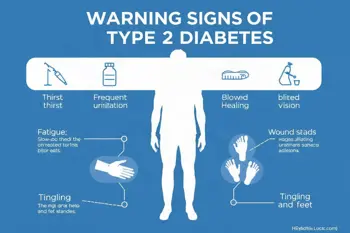
Type 2 diabetes may also be suspected when several seemingly separate problems occur together, such as fatigue, vision changes, recurrent infections, and slow-healing wounds. No single symptom identifies diabetes reliably. A healthcare professional may consider the complete symptom pattern, medical history, family history, physical findings, and laboratory results. 3
Risk factors that make screening important
Risk is higher for people aged 45 or older, people with a family history of diabetes, and people who are overweight or have obesity. Physical inactivity, high blood pressure, prediabetes, and a history of gestational diabetes also increase the likelihood of developing type 2 diabetes. Type 2 diabetes can nevertheless occur in children, teenagers, and younger adults. 1
Race and ethnicity are also associated with differing rates of type 2 diabetes. NIDDK identifies increased likelihood among African American, Hispanic or Latino, American Indian, Asian American, and Pacific Islander people. The U.S. Preventive Services Task Force recommends screening adults aged 35 to 70 years who have overweight or obesity, including those without symptoms. 18
How type 2 diabetes is confirmed
Symptoms provide a reason to seek evaluation, but diagnosis is based on blood glucose testing rather than symptoms alone. Common diagnostic approaches include an HbA1c test, fasting plasma glucose test, random plasma glucose test, or oral glucose tolerance test. The selected test and interpretation depend on the clinical situation and the healthcare professional's assessment. 10
A diagnosis matters because prolonged high blood glucose can contribute to complications involving blood vessels, nerves, kidneys, eyes, and the cardiovascular system. Early identification allows discussion of an individualized management plan and assessment of related health measures, including blood pressure, cholesterol, kidney health, eye health, and foot health. 610
When symptoms require urgent attention
Severe thirst and frequent urination accompanied by vomiting, abdominal pain, confusion, or difficulty breathing should be treated as urgent warning signs requiring immediate medical attention. These symptoms can indicate a serious metabolic problem and should not be evaluated solely through online information or delayed because type 2 diabetes symptoms are often gradual. 8
For less severe symptoms, a routine medical appointment can determine whether blood testing is appropriate. Evaluation is particularly important when symptoms occur with obesity, physical inactivity, high blood pressure, a family history of diabetes, prediabetes, or previous gestational diabetes. The absence of symptoms does not rule out diabetes, since type 2 diabetes can remain unnoticed for years. 12
Sources
- National Institute of Diabetes and Digestive and Kidney Diseases, Type 2 Diabetes: https://www.niddk.nih.gov/health-information/diabetes/overview/what-is-diabetes/type-2-diabetes
- MedlinePlus, Diabetes Type 2: https://medlineplus.gov/diabetestype2.html
- National Institute of Diabetes and Digestive and Kidney Diseases, Symptoms & Causes of Diabetes: https://www.niddk.nih.gov/health-information/diabetes/overview/symptoms-causes
- Cleveland Clinic, Type 2 Diabetes: https://my.clevelandclinic.org/health/diseases/21501-type-2-diabetes
- NIHD, Recognize the Signs of Type 2 Diabetes Early: https://www.nih.org/nihd-news/2025/november/can-you-tell-if-you-have-diabetes-/
- Merck Manual Consumer Version, Type 2 Diabetes Mellitus: https://www.merckmanuals.com/home/hormonal-and-metabolic-disorders/diabetes-mellitus-and-low-blood-sugar-hypoglycemia/type-2-diabetes-mellitus
- Mayo Clinic, Diabetes Symptoms and Causes: https://www.mayoclinic.org/diseases-conditions/diabetes/symptoms-causes/syc-20371444
- Centers for Disease Control and Prevention, Signs and Symptoms of Diabetes: https://www.cdc.gov/diabetes/signs-symptoms/index.html
- Acibadem International, Type 2 Diabetes: Early Signs, Tests, and Long-Term Control: https://acibademinternational.com/health-library/type-2-diabetes-early-signs-blood-tests-and-long-term-control/
Authored by 24Trendz team